To learn how to balance Celestron CGX-L with C14 EdgeHD imaging payload, you need to address the long moment arm of the 32-pound OTA, the off-axis pull of guide scopes and cameras hanging off the rear cell, and the east-heavy bias that keeps the RA worm engaged. Start by clutching the mount, sliding the saddle so the OTA's center of gravity sits directly over the DEC axis, then stack 22 to 33 pounds of counterweight low on the bar. Re-balance in DEC with all imaging gear (camera, filter wheel, OAG, dew heater cables) installed, leave the east side 2 to 3% heavy, and you are ready for sub-arcsecond guiding.
Why a C14 EdgeHD on a CGX-L tests your balance discipline
The CGX-L is rated for 75 pounds of payload, and a stock C14 EdgeHD optical tube weighs roughly 45 pounds with rings and dovetail. Add a cooled CMOS or CCD imaging train, a 60-80mm guidescope, off-axis guider, electronic focuser, dew heaters, and cable management, and the loaded payload typically lands between 60 and 70 pounds. You are operating in the upper third of the mount's specification, which is exactly where imperfect balance shows up as oversized periodic error, stalled RA reversals, and DEC backlash that ruins five-minute subs.
The C14 is also a long tube. With a tele-extender or off-axis guider hanging six to ten inches behind the rear cell, the center of gravity moves rearward and the moment arm against the DEC axis grows. That overhang is why generic "balance until it stays put" advice falls apart on this rig in 2026 imaging workflows.
The overhang problem explained
A C14 EdgeHD imaging train can add 12 inches of equipment behind the visual back. Every inch of rearward weight shift moves the center of mass farther from the DEC pivot and increases torque on the DEC clutches. If you balance the system parallel to the ground (horizontal tube) without considering the tube angle during actual imaging, you will find the rig wants to nose-dive when pointed near the meridian and pull west when low on the eastern horizon.
The fix is not just front-to-back saddle adjustment. It is staged: balance horizontal first, verify at three pointing positions (zenith, 45-degree east, 45-degree west), and add intentional east-heavy bias.
Step-by-step: how to balance celestron cgx-l with c14 edgehd imaging payload
1. Build the full imaging train before balancing
This is the step most imagers skip. Install your camera, filter wheel, OAG with guide camera, focuser motor, dew heater straps, and run your cables in their final routing. A camera adds 4-6 pounds and a filter wheel adds another 3-5. Balancing the bare OTA and then bolting on accessories afterward guarantees you will be re-balancing under the stars in the dark.
2. Set RA balance with the tube horizontal
Point the mount west, tube horizontal, with the counterweight bar level. Unlock the RA clutch only. The system will rotate toward the heavier side. Slide the counterweights along the bar until the system stays motionless when released from any RA angle. For a fully loaded C14 EdgeHD, expect to use two 22-pound counterweights, or one 22-pound plus one 11-pound, positioned roughly two-thirds of the way down the bar.
3. Set DEC balance with all imaging gear installed
Re-lock RA, point the tube at the meridian, and unlock the DEC clutch. The OTA will rotate toward its heavier end (almost always the rear, because of the imaging train). Slide the dovetail forward in the saddle, typically one to two inches, until the tube holds position when released at any DEC angle. If your saddle does not allow enough forward travel, swap the dovetail for a longer Losmandy-style D-plate rather than fighting the geometry.
4. Apply east-heavy RA bias
After the tube is balanced in both axes, slide the counterweights about 1.5 to 2 inches farther down the bar (away from the mount head). This makes the east side approximately 2-3% heavier than the west. With the RA worm gear loaded against a consistent direction, the CGX-L's drive train tracks more smoothly and PHD2 guiding graphs will show noticeably smaller RA spikes.
5. Verify at three positions
Repeat the unlock-and-release check at the zenith, 45 degrees east of meridian, and 45 degrees west. If the tube drifts at one position but not another, your cable drape is changing the balance as the mount slews. Re-route cables in long, loose service loops that do not pull as the mount moves.
How much counterweight do you actually need?
CGX-L counterweights are 22 pounds (10 kg) each, and most imagers run two on the standard bar. With a fully kitted C14 EdgeHD imaging payload of 65-70 pounds, you will typically need 44 to 55 pounds of counterweight, depending on how far down the bar you stage them. If you find yourself bottoming out the weights against the bar end cap, add an extension bar rather than running with weights at the maximum lever arm - vibration and slew speeds both suffer when the counterweight is at the bar tip.
Comparison: balance approaches for different imaging payloads
| Setup | Counterweight (lbs) | Saddle travel needed | East-heavy bias |
|---|---|---|---|
| C14 EdgeHD + full imaging train | 44-55 | 1.5-2 in forward | 2-3% |
| C14 EdgeHD visual only | 33-44 | 0.5-1 in forward | 1-2% |
| C11 EdgeHD imaging | 33 | 1 in forward | 1-2% |
| NexStar 8SE OTA on CGX-L | 22 | 0.5 in forward | 1% |
Where smaller SCT OTAs fit in your imaging journey
Many imagers do not start with a C14 - they build skills on a more forgiving 8-inch Schmidt-Cassegrain first, then transfer those balance and tracking habits to the C14 + CGX-L combo. If you are not yet ready to commit to a 70-pound imaging rig, a smaller SCT OTA is a sensible intermediate step that you can later repurpose as a wide-field guide scope or a portable grab-and-go.
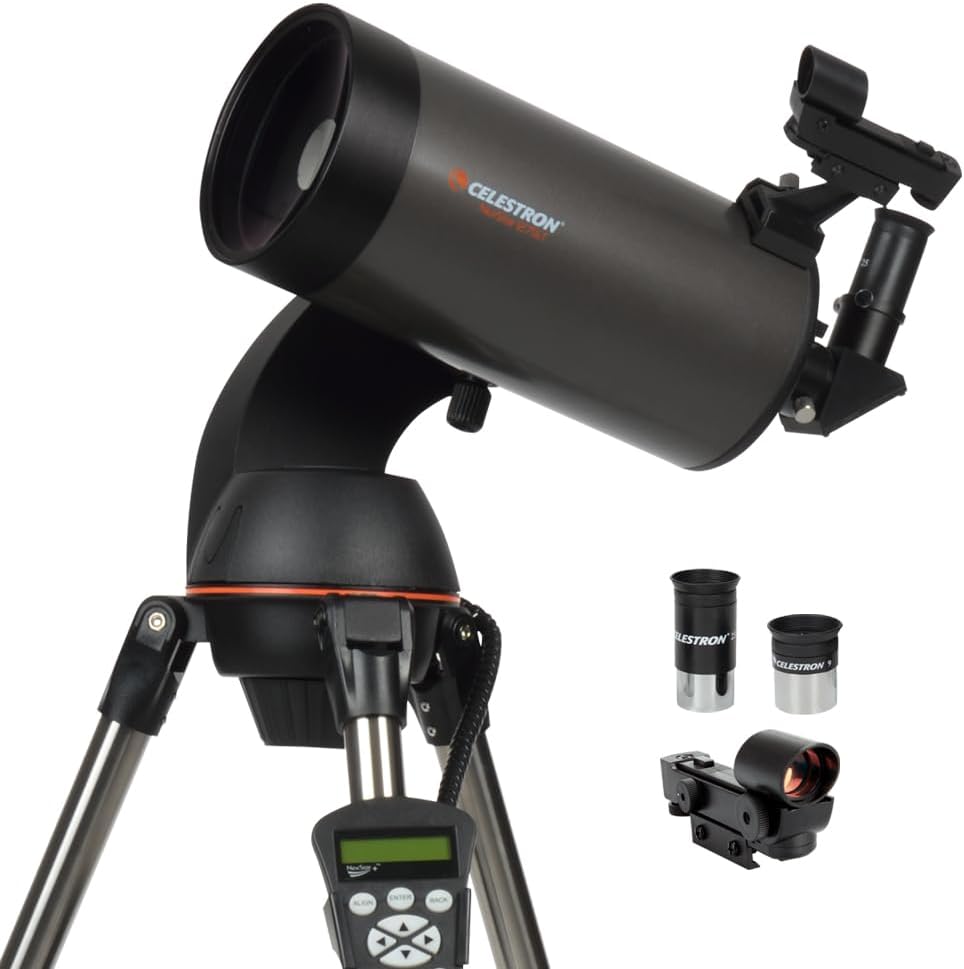
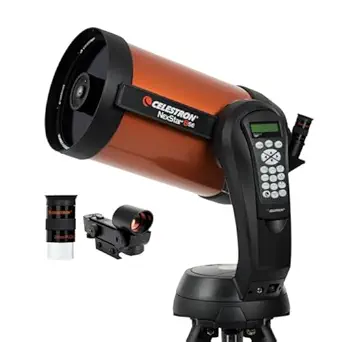
Celestron NexStar 8SE
The 8SE pairs a C8 OTA with a single-arm fork mount and is a sensible learning platform before stepping up to a C14 EdgeHD on a CGX-L. The C8 OTA itself can later be moved onto the CGX-L as a lightweight planetary or lunar rig, and the included SkyAlign software helps imagers learn polar alignment workflow before tackling more demanding setups. Check current pricing at Celestron NexStar 8SE Computerized Telescope – 8-Inch S
Celestron NexStar 8SE with NexYZ DX Smartphone Kit
This bundle includes the same C8 OTA plus a 3-axis smartphone adapter that is handy for documenting your balance procedure with photos of the saddle and counterweight positions. For imagers transitioning from visual to deep-sky, having a phone mount makes it easy to capture quick reference shots of your setup before you tear it down for the night. Available at View on Amazon
Celestron NexStar 6SE
If you are looking for the lightest possible secondary scope to ride alongside the C14 on your CGX-L for wide-field framing, the C6 OTA is a fraction of the weight of an 8-inch and barely affects balance when piggybacked. See current listings at View on Amazon
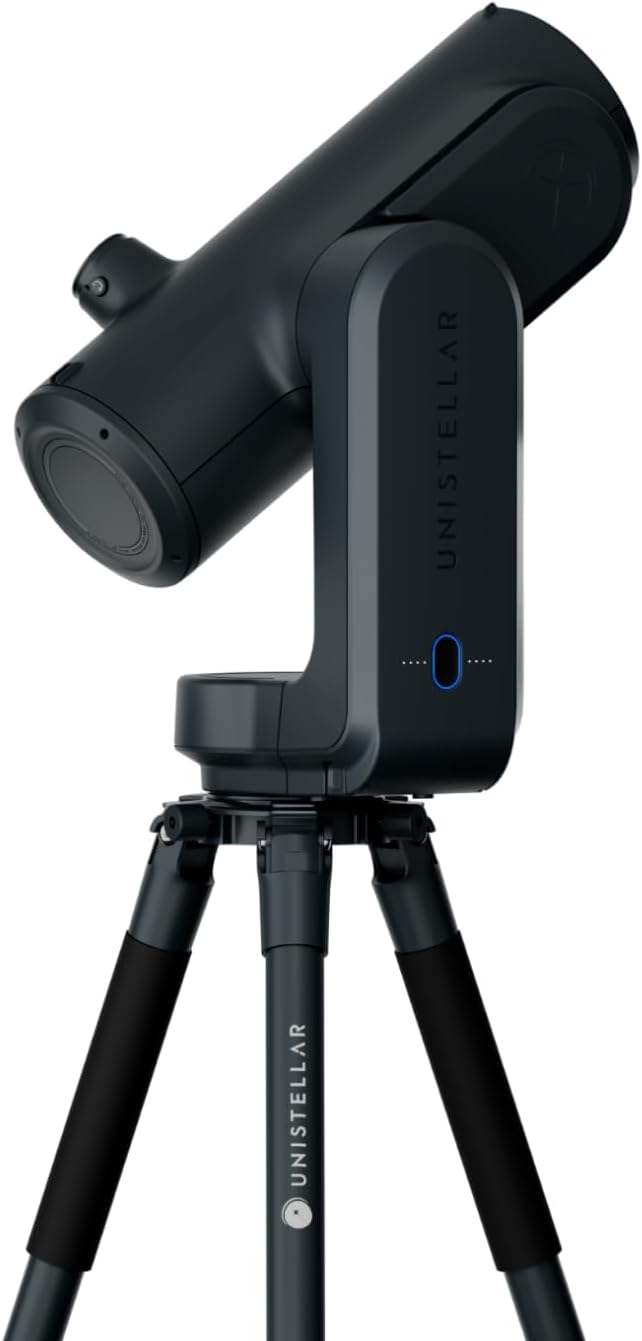
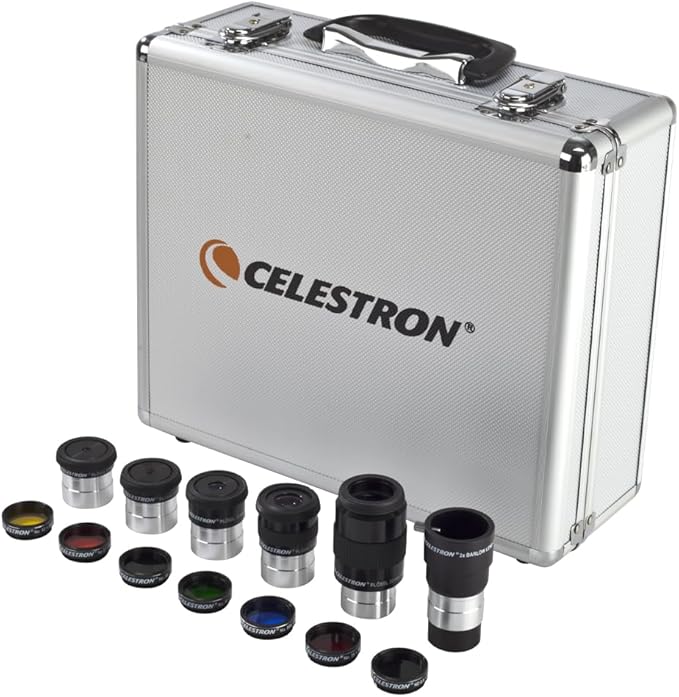
Celestron NexStar 8SE with Eyepiece and Filter Kit
For imagers who also want planetary visual capability while learning the balance workflow, this bundle includes filters that pair well with the C8's f/10 native focal ratio. The included Plossls are useful for visual confirmation during plate-solving sessions. Listed at View on Amazon
Common balance mistakes that kill C14 EdgeHD imaging
When learning how to balance Celestron CGX-L with C14 EdgeHD imaging payload, the biggest mistake is balancing without the dew shield. A full C14 dew shield with heater straps adds 2-3 pounds at the very front of the tube, which shifts DEC balance by surprising amounts. Always balance with every piece of accessory that will be on the scope during the imaging session.
The second mistake is over-tightening clutches after balancing. CGX-L clutches should be snug, not torqued. Over-tight clutches mask balance problems by brute force and accelerate wear on the worm gear.
The third mistake is ignoring cable drag. A USB 3 cable from a CMOS camera, a 12V power line for the cooler, a focuser cable, and a dew heater cable all running to a fixed power box will pull the OTA differently at different pointing positions. Bundle them with loose service loops at the dovetail and the saddle, not at the rear cell.
When to re-balance during a session
Re-balance any time you swap the camera, change filter wheels, add a focal reducer, or move the OAG. A 0.7x reducer for the C14 EdgeHD adds 1.5 pounds at the rear and shifts the DEC balance perceptibly. Re-balancing takes three minutes once you have a workflow and saves an hour of guiding troubleshooting later.
For more on guide camera selection and OAG positioning, see our guide on off-axis guider setup for C14 EdgeHD. For counterweight bar extensions and aftermarket weights, our CGX-L counterweight options for 2026 breakdown covers third-party choices. Imagers building polar alignment routines should also reference our CGX-L polar alignment walkthrough.
Frequently Asked Questions
What is the maximum imaging payload the Celestron CGX-L can carry without flexure?
The CGX-L's published 75-pound capacity is the visual maximum. For imaging at sub-arcsecond guiding accuracy, most experienced imagers cap their actual payload at 60-65 pounds to leave margin for wind and tracking errors. A fully kitted C14 EdgeHD with cooled CMOS camera, OAG, and electronic focuser typically lands in that imaging-safe window.
Should I balance the CGX-L east-heavy or west-heavy for C14 EdgeHD imaging?
Always east-heavy. Keeping the east side approximately 2-3% heavier loads the RA worm against a consistent direction, eliminating gear lash during reversals. This is especially important when guiding because PHD2 cannot correct for backlash that occurs faster than its exposure cadence.
How long should the counterweight bar extension be for a fully loaded C14 imaging rig?
The stock CGX-L bar is sufficient for two 22-pound weights if you stage them correctly. If you are running three weights or using lighter 11-pound weights, a 4-6 inch extension bar gives you the staging flexibility without putting the weights at the maximum lever arm.
Can I use a Losmandy D-plate or do I need a Celestron dovetail for C14 EdgeHD balance?
A long Losmandy D-plate is preferable for C14 EdgeHD imaging because it gives you 4-6 additional inches of saddle travel, which is often necessary to balance a rear-heavy imaging train. Celestron's stock dovetail can work but limits your forward travel.
How do I balance the CGX-L when running a guide scope on top of the C14?
A guide scope on top of the OTA shifts the balance point upward, requiring slightly more counterweight and a small forward saddle adjustment to compensate. After mounting the guide scope, repeat the horizontal-tube DEC balance check and expect to slide the dovetail forward about half an inch.
Does the CGX-L need balancing differently in cold weather?
Lubricant viscosity changes with temperature, which makes the clutches feel different but does not change the actual balance point. However, dew heater cables and battery boxes added for cold-weather sessions do change the balance, so re-balance with all winter gear installed.
How does balancing for C14 EdgeHD imaging differ from balancing for visual use?
Visual use tolerates a wider balance window because eyepieces are light and there is no long imaging train to create overhang. Imaging requires tighter balance because the longer moment arm of the camera train amplifies any imbalance into tracking error. Visual setups can run 1% east-heavy; imaging setups benefit from 2-3% for clean PHD2 graphs.
Key Takeaways
- Choosing the right how to balance celestron cgx-l with c14 edgehd imaging payload means matching capacity and output ports to your actual devices
- Always check actual watt-hours (Wh), not just watts — runtime depends on Wh, not peak output
- Also covers: cgx-l c14 balance procedure
- Also covers: balance overhanging edgehd c14
- Also covers: cgx-l heavy payload imaging balance
- Compare price-per-Wh across models to find the best value for your budget