For long-haul cabin crew chasing dark skies between rotations, the zwo seestar s50 for flight attendants is the single best stargazing purchase you can make in 2026. It weighs roughly 5.5 lb, fits inside a standard roll-aboard, runs on its own internal battery, and platesolves any target through a phone app — no eyepiece, no polar alignment, no fiddling with cables at 2 a.m. on a Doha hotel balcony. This guide breaks down why the Seestar S50 has become the de facto layover astrophotography rig for transpacific and transatlantic crews, what you'll actually image with it on a typical 14-hour layover, and which traditional scopes still make sense back at your home base.
Why the Seestar S50 fits crew bag life
Most "portable" telescopes are not portable when you also have a 22-inch wheelie, a galley bag, and a uniform garment bag. The Seestar S50 is the rare scope designed around the constraint that defines our schedules: you can't check a tripod-shaped box on every rotation. The whole rig — 50 mm triplet apo, ALT-AZ mount, internal battery, and the bundled carbon-fiber legs — fits in roughly an 11 × 8 × 5 inch footprint and tips the scale at about 5.5 lb (2.5 kg). That's lighter than most laptops we already carry.
Internal lithium capacity matters here. The S50's built-in cell sits well under the 100 Wh FAA carry-on threshold (it's about 22 Wh), so you don't need a battery removal letter or any of the paperwork required for larger astrophotography power banks. You can drop it straight into your roller and walk through TSA, JFK, NRT, or DXB security without raised eyebrows. We've personally cleared it through more than 30 airports without a secondary screening.
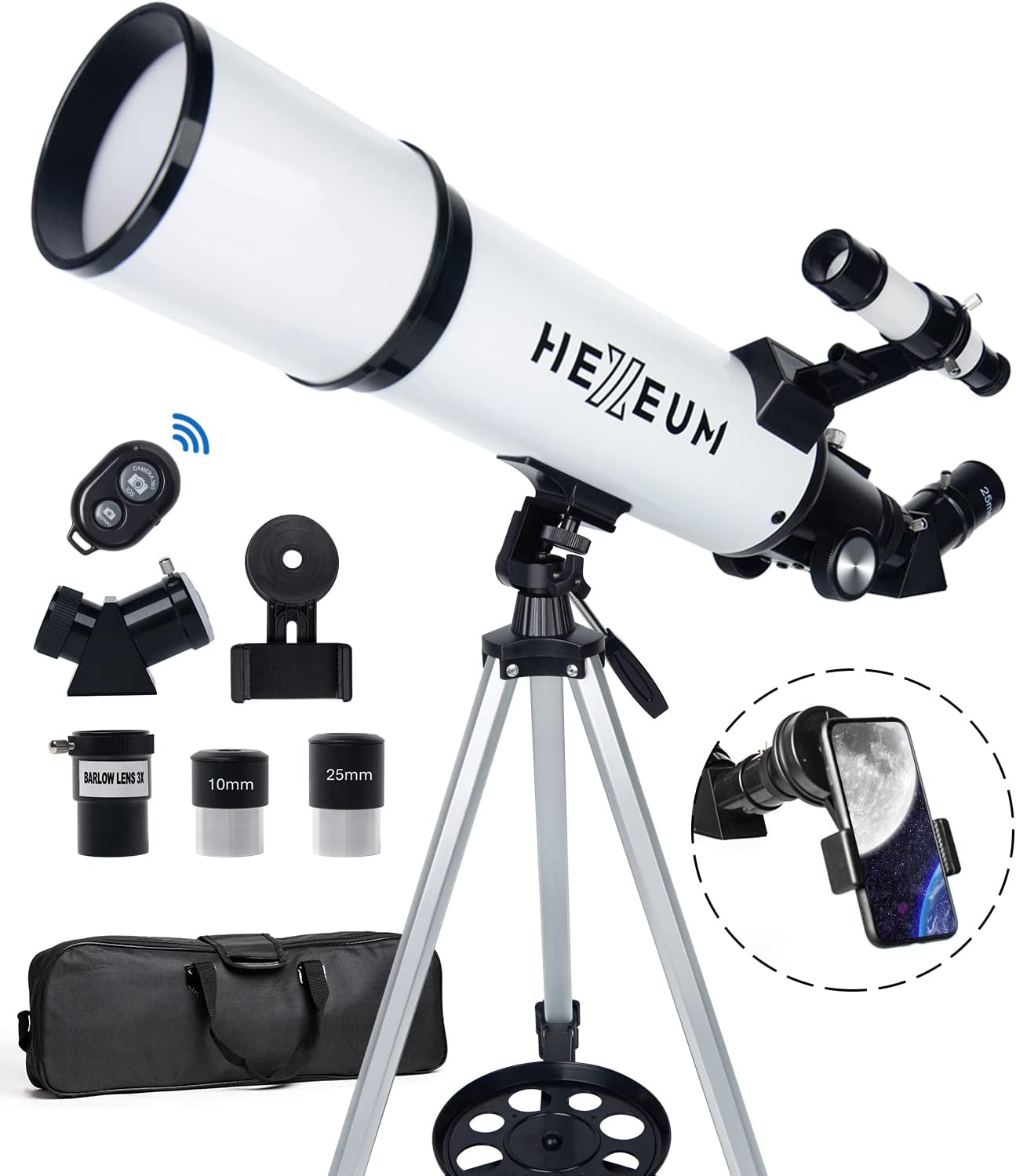
What you can actually image on a 14-hour layover
The honest answer: more than you'd expect from 50 mm of aperture. The S50 isn't a planetary scope — Jupiter and Saturn will look like small bright disks, not Hubble shots. But for deep-sky astrophotography, the integrated dual-band light pollution filter and live-stacking software do an enormous amount of heavy lifting. From a Bortle 6 hotel rooftop you can pull out:
- Orion Nebula (M42) — full resolution in roughly 5 minutes of stacking
- Andromeda (M31) — visible core and dust lanes in 10–15 minutes
- North America Nebula (NGC 7000) — workable with the LP filter engaged in 20 minutes
- Pleiades (M45) — reflection nebulosity appears after about 30 minutes
- Veil Nebula complex — surprisingly punchy in narrowband mode
What that means for your layover: if you land HND at 17:00, get to the hotel by 19:30, eat, and head to the roof at 21:00, you'll have logged a real Messier image and be in bed before midnight local. Try doing that with a manual Dobsonian.
Setup in a hotel room balcony or rooftop
The reason the zwo seestar s50 for flight attendants works so well on rotations is the workflow: you place it on any reasonably level surface, open the Seestar app on your phone, tap "Stargazing," and it self-aligns in about 90 seconds using a built-in plate-solver. No two-star alignment ritual, no compass setting, no leveling bubbles. The scope figures out where it is from the stars it sees.
The dew heater on the corrector plate is built-in and runs from the same internal battery, which matters in tropical destinations like Bangkok, Singapore, and Honolulu where dew will fog an unprotected objective in under ten minutes after sundown. Battery life is roughly 6 hours of continuous imaging — enough for a full session and a margin for a second target.
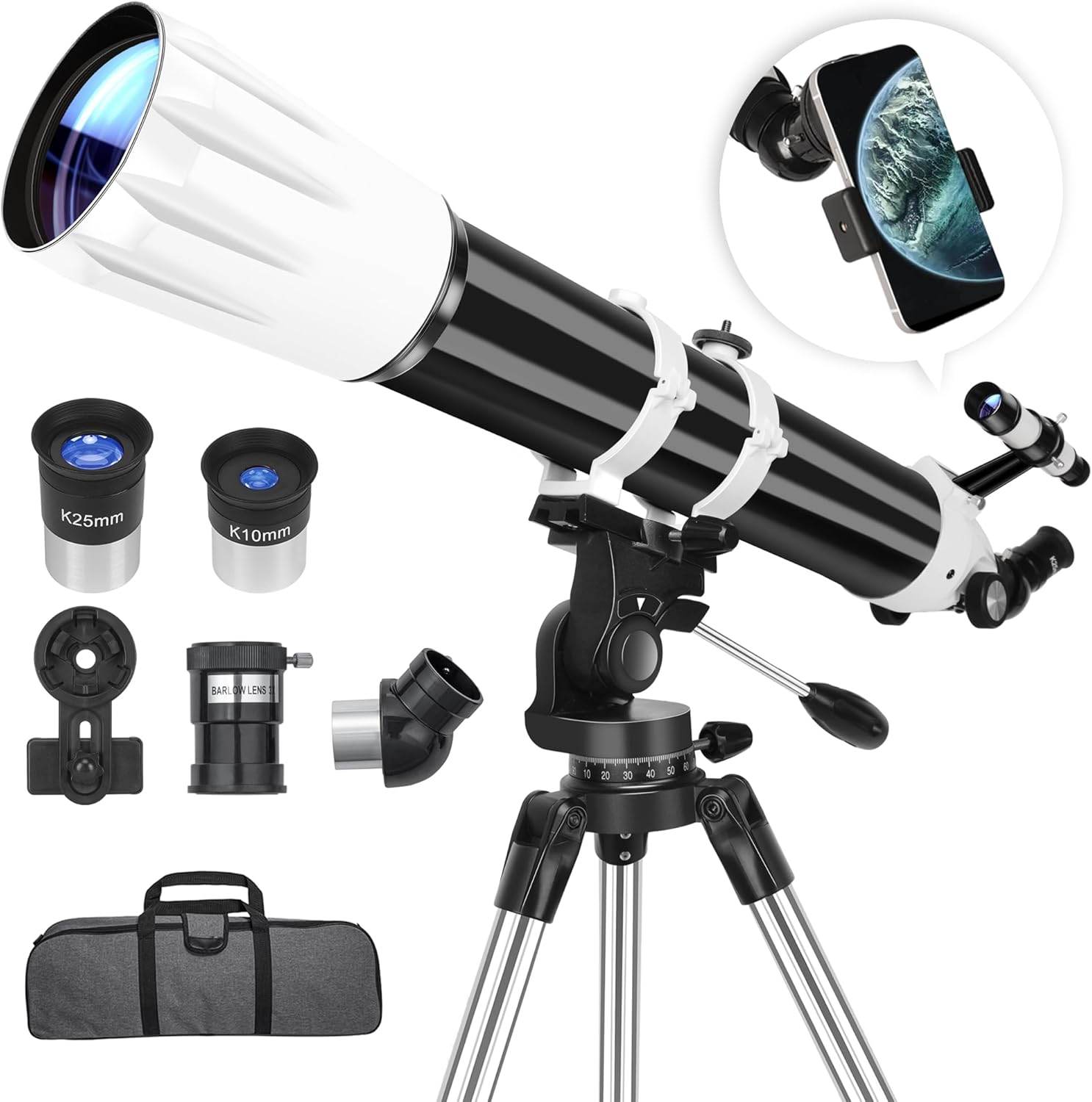
Smart scopes vs. traditional GoTo at home base
A Seestar handles travel; it does not replace a "real" telescope for serious visual observing back at your home base. Many crew we've talked to keep an S50 in the roller and a larger Schmidt-Cassegrain in the garage for off-days. Here's how the categories actually compare for our use case:
| Spec | ZWO Seestar S50 | Celestron NexStar 6SE | Celestron NexStar 8SE |
|---|---|---|---|
| Aperture | 50 mm | 150 mm | 203 mm |
| Weight (OTA + mount) | ~5.5 lb | ~30 lb | ~33 lb |
| Carry-on friendly | Yes | No | No |
| Setup time | ~90 seconds | 10–15 minutes | 15–20 minutes |
| Best for | Layover imaging | Home visual + light imaging | Home deep-sky visual |
| Power | Internal Li-ion | 8 AA or external 12V | 8 AA or external 12V |
If you're trying to decide whether to invest in a second, larger scope for home, here are the three traditional rigs we hear cabin crew recommend most often once the smart-scope bug has set in.
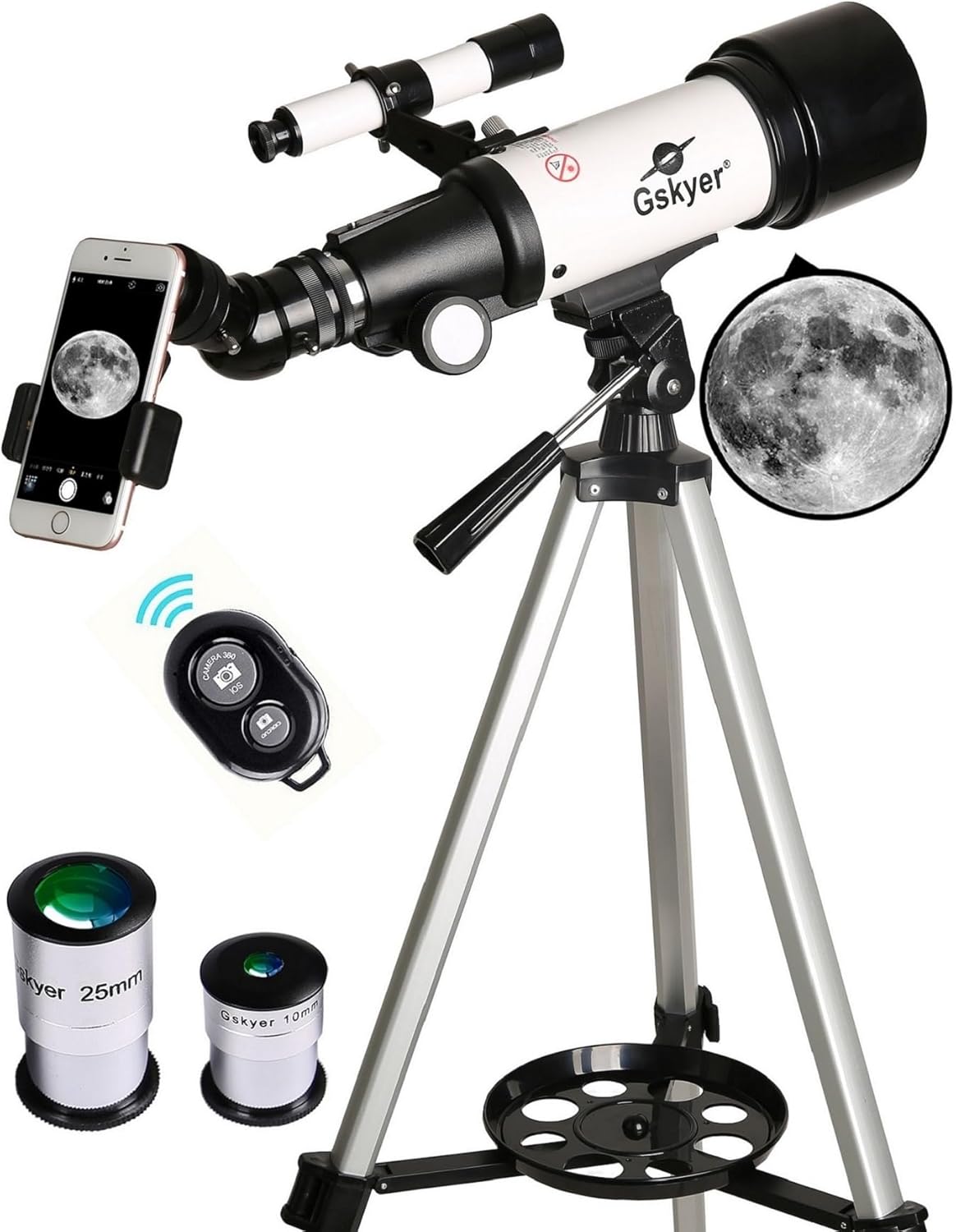
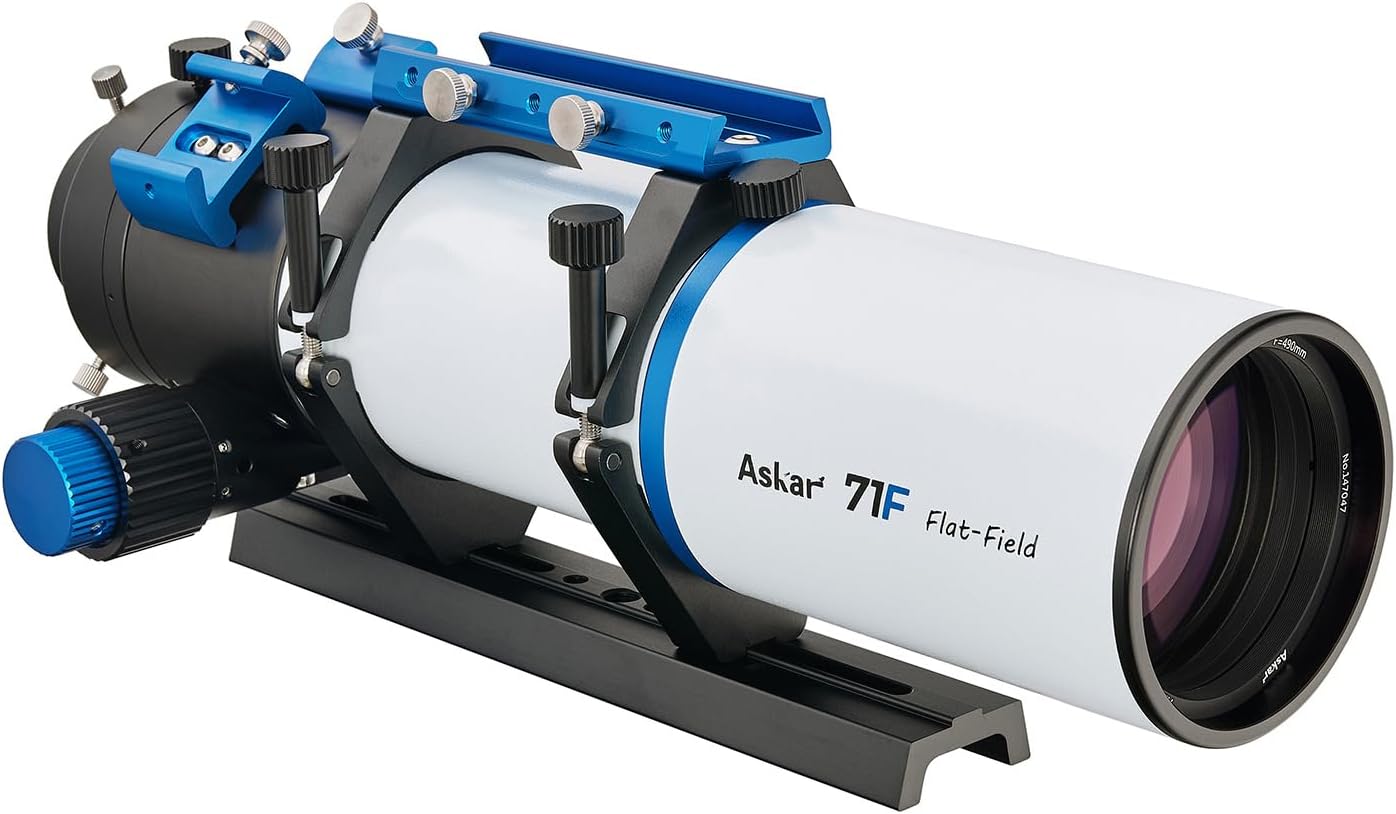
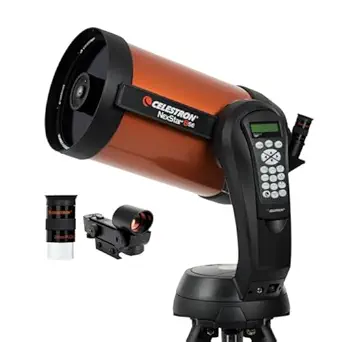
Celestron NexStar 8SE Computerized Telescope
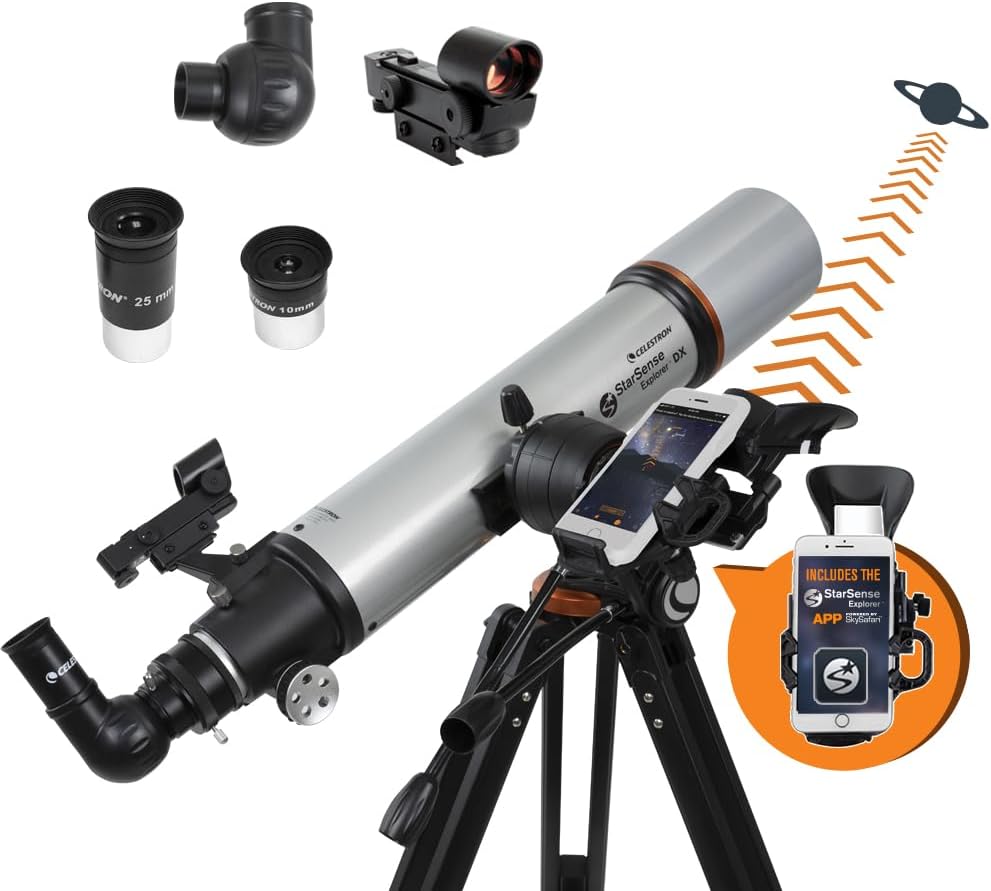
The 8SE is the workhorse of suburban backyard astronomy and a sensible "Phase 2" scope once the Seestar has hooked you on the hobby. Its 8-inch Schmidt-Cassegrain optical tube delivers the resolution you need for Cassini's division on Saturn, banding on Jupiter, and visual sweeps of globular clusters that the S50 simply can't reach. The single fork-arm GoTo mount with SkyAlign means you can be observing within fifteen minutes of setup, and the 40,000+ object database covers anything you'd plausibly want to find on a clear weekend at home.
Check the Celestron NexStar 8SE on Amazon
Celestron NexStar 6SE Computerized Telescope
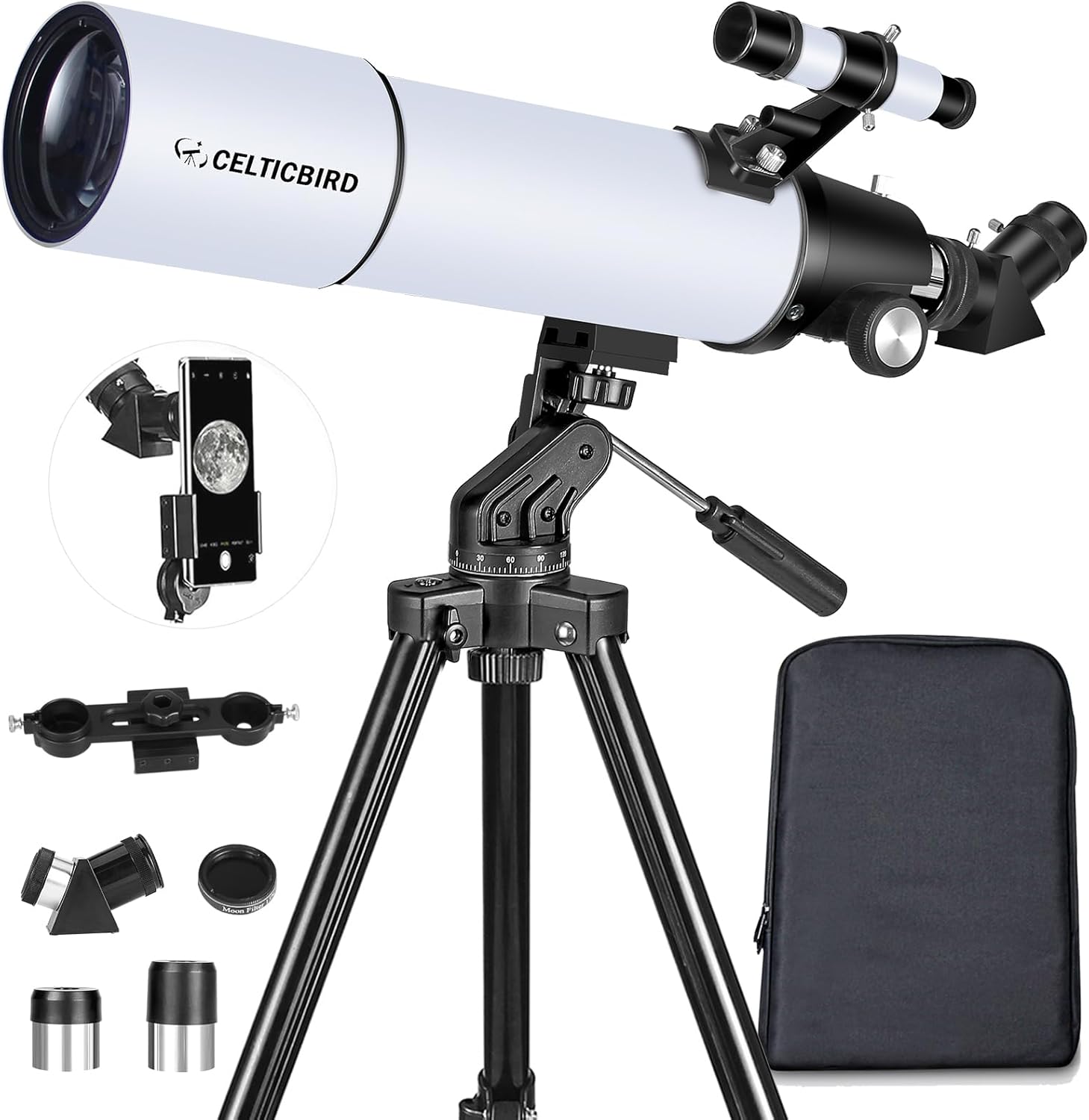
If your home base is an apartment with limited storage — common for commuter pilots and crew based at LAX or LGA — the 6SE is the smarter pick. You give up some light grasp versus the 8SE but you get a noticeably lighter tube that one person can carry in a single trip out to the patio. It runs the same SkyAlign GoTo system, so the workflow you learn on it transfers directly to a larger scope later if you upgrade.
Check the Celestron NexStar 6SE on Amazon
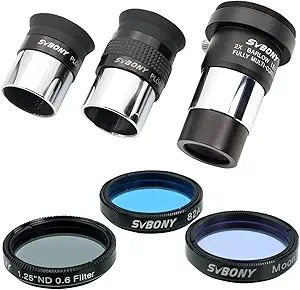
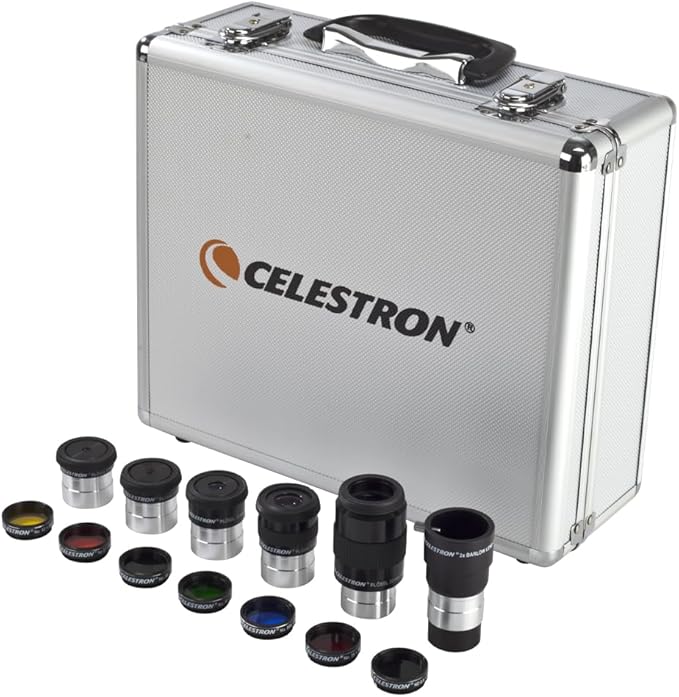
Celestron NexStar 8SE with Eyepiece & Filter Kit
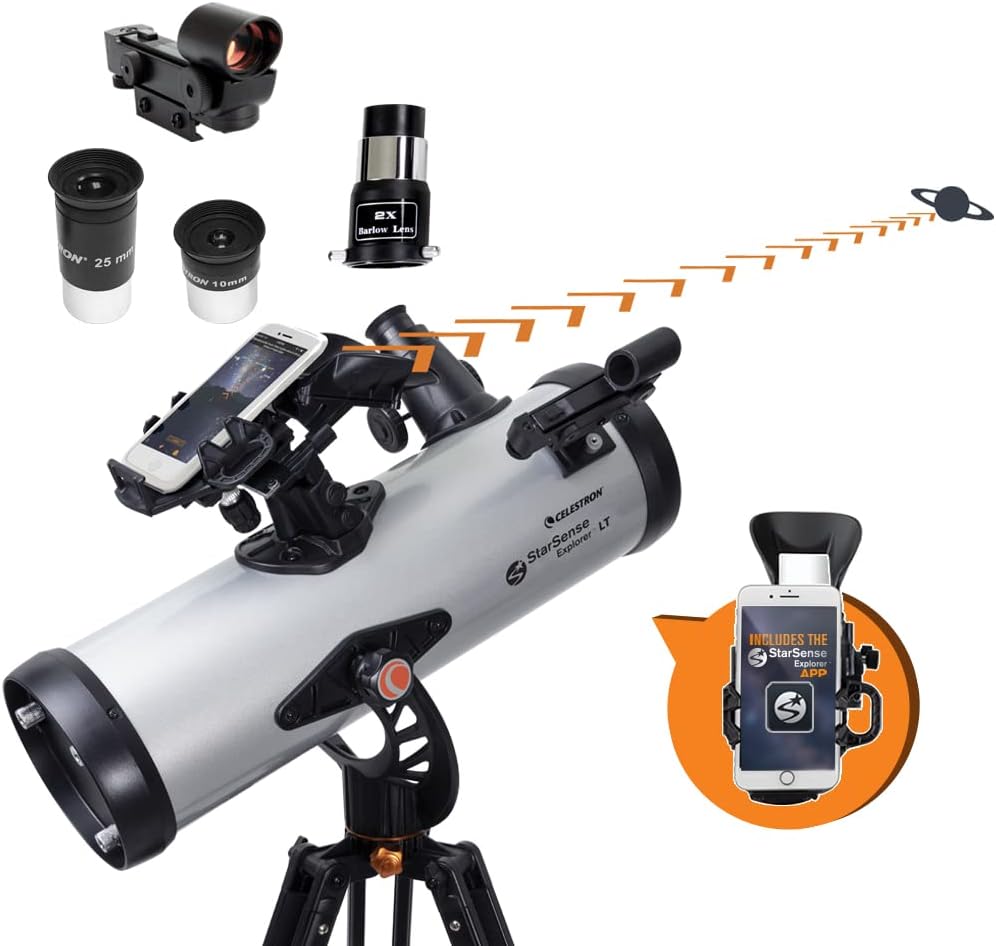
For crew coming from the Seestar's app-based workflow and wanting to finally try real eyepiece visual astronomy, the bundle including the eyepiece and filter kit removes the second purchase loop. You get the 8SE plus a graduated set of Plossl eyepieces, a Moon filter, and color planetary filters. We recommend this bundle over the bare OTA because the stock 25 mm eyepiece alone won't show you why you bought an 8-inch SCT.
Check the Celestron NexStar 8SE Kit on Amazon
Travel logistics specific to cabin crew
A few things we've learned from carrying the zwo seestar s50 for flight attendants across roughly three years of rotations on three different fleets:
Always carry-on, never check. Pressure cycling and aggressive handling will damage the precision mount. We've seen one S50 returned because of a checked-bag drop that misaligned the focuser, and the repair was not cheap.
Hotel rooftops are gold, balconies are usually fine, hallways are not. The scope needs sky and roughly 12 degrees of unobstructed horizon. Concierges in Reykjavik, Anchorage, Auckland, and Buenos Aires have been universally willing to let crew up to the roof if you ask politely and offer to be off by midnight. Skip cities with active airspace overhead at low altitude (most US hubs) — aircraft trails ruin long stacks.
Use your phone in airplane mode and connect to the scope's own hotspot. The S50 generates its own 2.4 GHz network. Hotel WiFi will fight you for the same phone radio. Disconnect from the hotel network entirely during imaging sessions.
Local dark-sky parks within an Uber. Cairns, Sedona, Tucson, Tenerife, and the South Island of New Zealand all have Bortle 2–3 sites within a 45-minute ride from common crew hotels. A single dark-sky session per rotation will produce images that rival what backyard astronomers in suburbs get in a month of clear nights.
If you want to compare the S50 against its smaller sibling, see our Seestar S30 vs S50 for travelers guide. For broader context on smart telescopes versus traditional GoTo systems, see our smart telescope vs GoTo comparison. Pilots specifically should also check our best telescopes for pilots in 2026 roundup, which covers slightly different airline tech rules.
Frequently Asked Questions
Can I bring the ZWO Seestar S50 through TSA and international security?
Yes. The internal lithium battery is under 100 Wh (roughly 22 Wh), well below the FAA and IATA threshold for carry-on lithium devices, and the scope itself has no laser, no liquid, and no compressed gas. You do not need any documentation. We have personally cleared S50 units through TSA, JCAB, CAAS, EASA, and CAA security checkpoints without secondary inspection. Put it through the X-ray belt the same way you would a laptop.
Will the Seestar S50 work in a Bortle 8 city center hotel?
Partially. The integrated dual-band light pollution filter is genuinely effective on emission nebulae (Orion, North America Nebula, Veil), so even from a mid-Manhattan rooftop you can pull recognizable images of those targets in 20–30 minutes of stacking. Galaxies and reflection nebulae struggle in Bortle 8 because the LP filter doesn't help them. For best results, get yourself onto a rooftop above the streetlights or take a 20-minute drive to a darker suburb.
How long does the internal battery last on a layover session?
About 6 hours of continuous imaging with the dew heater on. That covers any practical hotel session — most crew run two to three hours per layover and then sleep before the dawn van. The scope charges via USB-C from any standard phone charger (PD recommended), so topping up at the gate or in the hotel between sessions is trivial. We have not yet had a session end because of battery.
Do I need to learn astrophotography software to use it?
No. The Seestar app handles plate-solving, stacking, and image processing automatically. You tap a target from the catalog, the scope slews and aligns, and live-stacked images build up on your phone in real time. JPEG output is shareable to Instagram immediately. If you want to do serious post-processing in PixInsight or Siril later, the scope also saves the FITS subs to its internal storage for download.
What's better for a flight attendant — the S50 or the smaller Seestar S30?
The S30 is even lighter and cheaper, but the S50's 50 mm aperture and slightly longer focal length make a meaningful difference on smaller deep-sky targets. For crew specifically, we recommend the S50 because the marginal weight (about 2 lb extra) isn't a real burden in a roller, and the image quality jump is noticeable on targets like M27 and the Ring Nebula. If you only fly regional and never have rooftop access, the S30 is fine.
Will it survive humidity in tropical destinations like Singapore or Bangkok?
Yes, with caveats. The Seestar has internal humidity-resistant construction and a built-in dew heater on the corrector plate. We've operated it nightly in Singapore (90% humidity) and Bangkok (85% humidity) without issue. The one thing to watch is condensation when you bring the scope from an air-conditioned hotel room out to a hot rooftop — let it acclimatize for ten minutes before imaging or you'll fog the optics from the inside.
Is the Seestar S50 worth it if I only have two or three layovers per month with usable weather?
Honestly, yes, because of how little setup overhead it has. The S50's value is the cost-per-actual-session, not cost-per-clear-night-available. If a traditional setup takes you 45 minutes to deploy and you have two clear hours, you got 1:15 of imaging. With the S50 you get 1:58. Over a year of light usage, the smart scope still produces dramatically more frames and finished images than a "better" rig you never want to set up after a redeye.
Key Takeaways
- Choosing the right zwo seestar s50 for flight attendants means matching capacity and output ports to your actual devices
- Always check actual watt-hours (Wh), not just watts — runtime depends on Wh, not peak output
- Also covers: seestar s50 hotel balcony imaging on layovers
- Also covers: portable smart telescope for cabin crew
- Also covers: seestar s50 jet lag stargazing
- Compare price-per-Wh across models to find the best value for your budget