If you've just mated an 11-inch EdgeHD optical tube to an iOptron center-balanced equatorial, the short answer to how to balance iOptron CEM70 for Celestron Edge 1100 setups is this: balance the imaging train first with the saddle horizontal, then RA with the counterweight shaft horizontal, then DEC with the tube pointing east, and finally introduce a deliberate 2–4% east-heavy and camera-heavy bias so the worm gear stays loaded in one direction. The CEM70's center-balanced geometry forgives a lot, but an overhung Edge 1100 with a focuser, OAG, filter wheel, and cooled camera dangling off the back is exactly the load profile that exposes sloppy balance during long exposures.
Why the Edge 1100 is the worst-case payload for a CEM70
The Celestron EdgeHD 1100 weighs about 27.5 lb bare, and a typical deep-sky imaging train adds another 6–10 lb of focuser, rotator, off-axis guider, filter wheel, and main camera hanging behind the rear cell. That puts the center of mass well aft of the dovetail, and aft of the saddle clamp itself. The CEM70's rated 70 lb imaging capacity sounds like enormous headroom, but capacity numbers assume a balanced load. An overhung Edge 1100 effectively becomes a long lever, and any DEC imbalance translates into a moment the RA worm has to fight every time the mount tracks across the meridian region.
This is why every guide on how to balance iOptron CEM70 for Celestron Edge 1100 rigs emphasizes sequence. You cannot balance RA correctly until the DEC axis is balanced, and you cannot balance DEC correctly until the imaging train is fully installed, cabled, and at the focus position you'll actually use for the night.
Tools and prep before you touch a knob
- A long Losmandy-style dovetail bar (at least 14", ideally 18") so the tube can slide forward enough to compensate for the rear-cell load.
- Two CEM70 counterweights (the stock 11 lb pair) plus one extra 11 lb weight on hand — Edge 1100 rigs almost always need the third.
- A counterweight shaft extension if you don't want to run the weights at the very end of the standard shaft.
- A bubble level, headlamp, and a soft towel under the saddle in case anything slips.
- Your full imaging train, cables routed and clipped the way they will be during the session — including the dew heater, USB hub, and power cables. Dangling cables shift balance by a surprising amount on an overhung rig.
Power the mount on, unlock both clutches, and confirm the saddle is in the parked (home) position before loosening anything. The CEM70's clutches are friction-based; never let go of the OTA with both clutches loose.
Step-by-step: balancing the CEM70 with an EdgeHD 1100
Step 1 — Balance the imaging train on the dovetail first
Before the OTA even goes on the mount, balance the tube on a known-level surface using the dovetail as a fulcrum. With the rear accessories installed and at imaging focus, the tube's center of mass on an Edge 1100 with a full train typically sits 2–4 inches behind the rear cell mounting point. Mark that position on the dovetail with a piece of tape — that's roughly where the saddle clamp's center needs to land.
Step 2 — Slide the OTA into the saddle and set DEC balance
With the counterweight shaft horizontal and the OTA pointing east (tube horizontal, perpendicular to the shaft), loosen the DEC clutch a quarter turn and let the OTA find its natural position. If it nose-dives forward, slide the tube backward in the saddle. If the rear cell drops, slide it forward. Re-clamp, then test by gently rotating the OTA through ±30° in DEC — it should hold position with only the slightest east-heavy preference. On an Edge 1100, a perfectly neutral DEC balance is acceptable, but a 2–3% camera-heavy bias is preferred because guider corrections in DEC will then always pull against gravity in the same direction, eliminating backlash artifacts.
Step 3 — RA balance with the third counterweight
Rotate the mount so the counterweight shaft is horizontal. Loosen the RA clutch. With two stock CEM70 weights, an Edge 1100 imaging rig will almost always still be tube-heavy. Add the third 11 lb weight and slide all three along the shaft until the system balances with a slight east-heavy bias — meaning when the tube is on the east side of the pier, the counterweights should be ever so slightly heavier than the OTA side. Lock the weights.
Step 4 — Recheck DEC at multiple altitudes
Move the OTA to point near the pole, then to the eastern horizon, then near the meridian. Any flexure in the focuser or in a long cable run can shift the apparent balance. If you see drift, re-clamp and verify the focuser lock is engaged — a slipping Edge focuser will mimic a balance problem and waste an entire night of troubleshooting.
Step 5 — Set the deliberate east-heavy bias
The final and most overlooked step in how to balance iOptron CEM70 for Celestron Edge 1100 imaging is the intentional east-heavy bias. Slide the counterweights about 3–5 mm farther out than the neutral point. This loads the RA worm in one consistent direction during sidereal tracking, eliminating the periodic worm-tooth chatter that shows up as 1–3 arcsecond RMS guiding spikes on overhung SCTs.
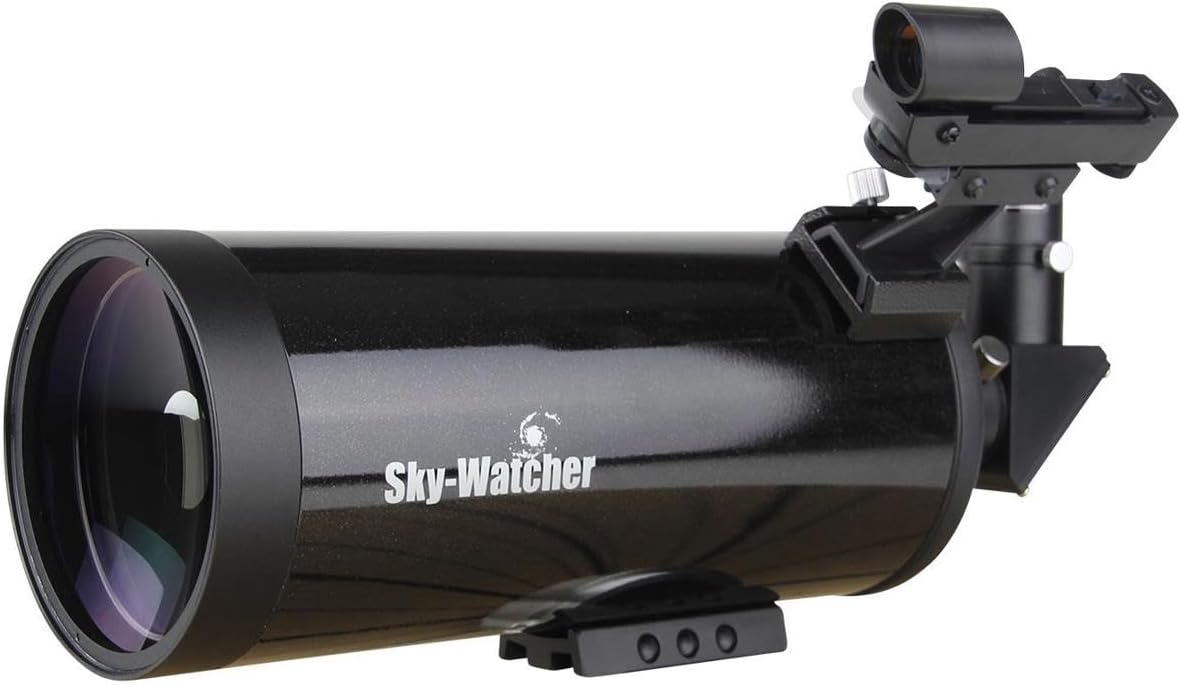
If the Edge 1100 is too much tube for your CEM70 reality
The CEM70 is rated for the Edge 1100, but plenty of imagers find that wind, dew shields, and a fully loaded rear cell push the rig into a fussy zone where every session feels like a wrestling match. A common move in 2026 is to keep the CEM70 for the Edge 1100 on calm nights and run a lighter Schmidt-Cassegrain on the same mount — or on a portable alt-az setup — for casual visual nights and lunar/planetary work.
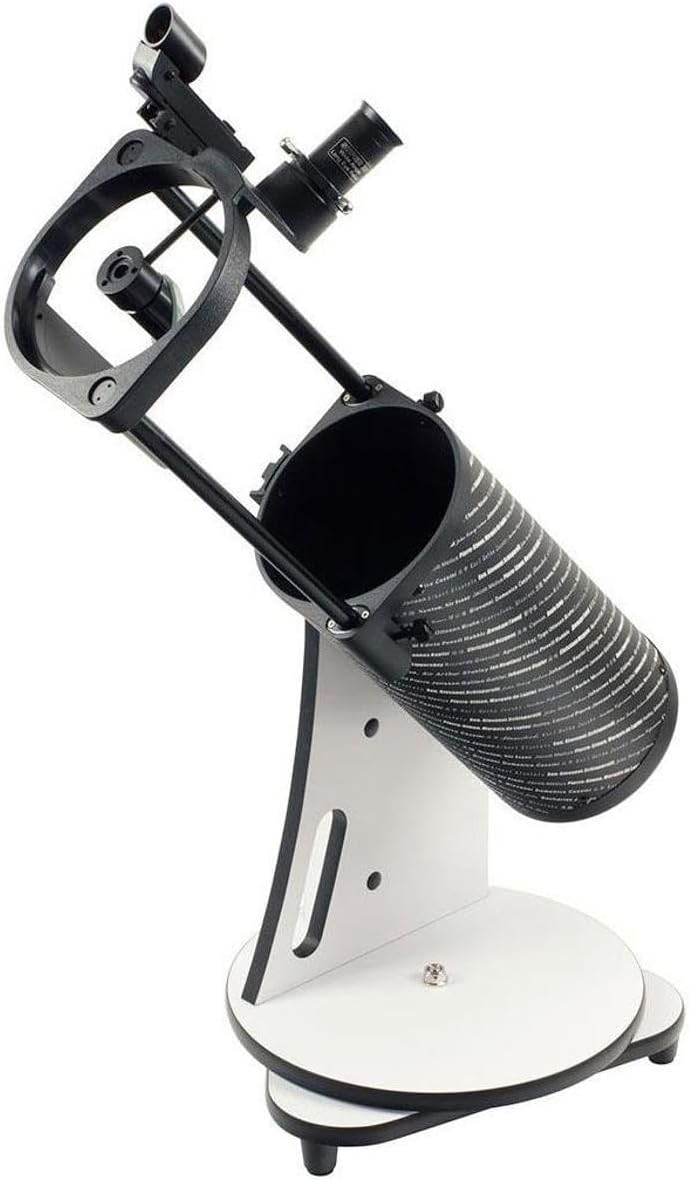
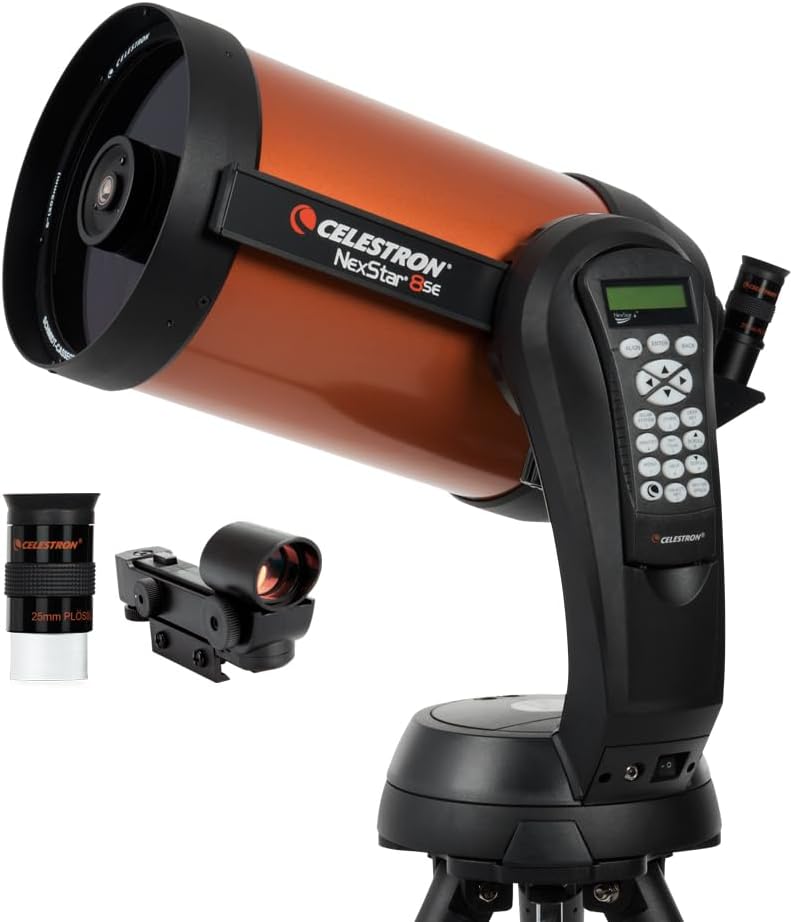
Celestron NexStar 8SE — the easiest grab-and-go SCT companion
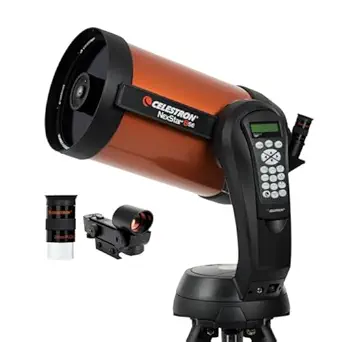
The NexStar 8SE is the canonical 8-inch SCT for visual observers and a sensible second tube for owners of a CEM70/Edge 1100 rig. At roughly 24 lb fully assembled on its single-arm fork, it gets you outside in five minutes when the imaging rig isn't worth setting up. Check the Celestron NexStar 8SE on Amazon.
Celestron NexStar 8SE with NexYZ DX Smartphone Adapter Kit
If you want the same 8-inch optics with a smartphone adapter for casual lunar and planetary imaging while the Edge 1100 is busy on the CEM70, this bundle is the convenient option. View the NexStar 8SE + NexYZ DX kit on Amazon.
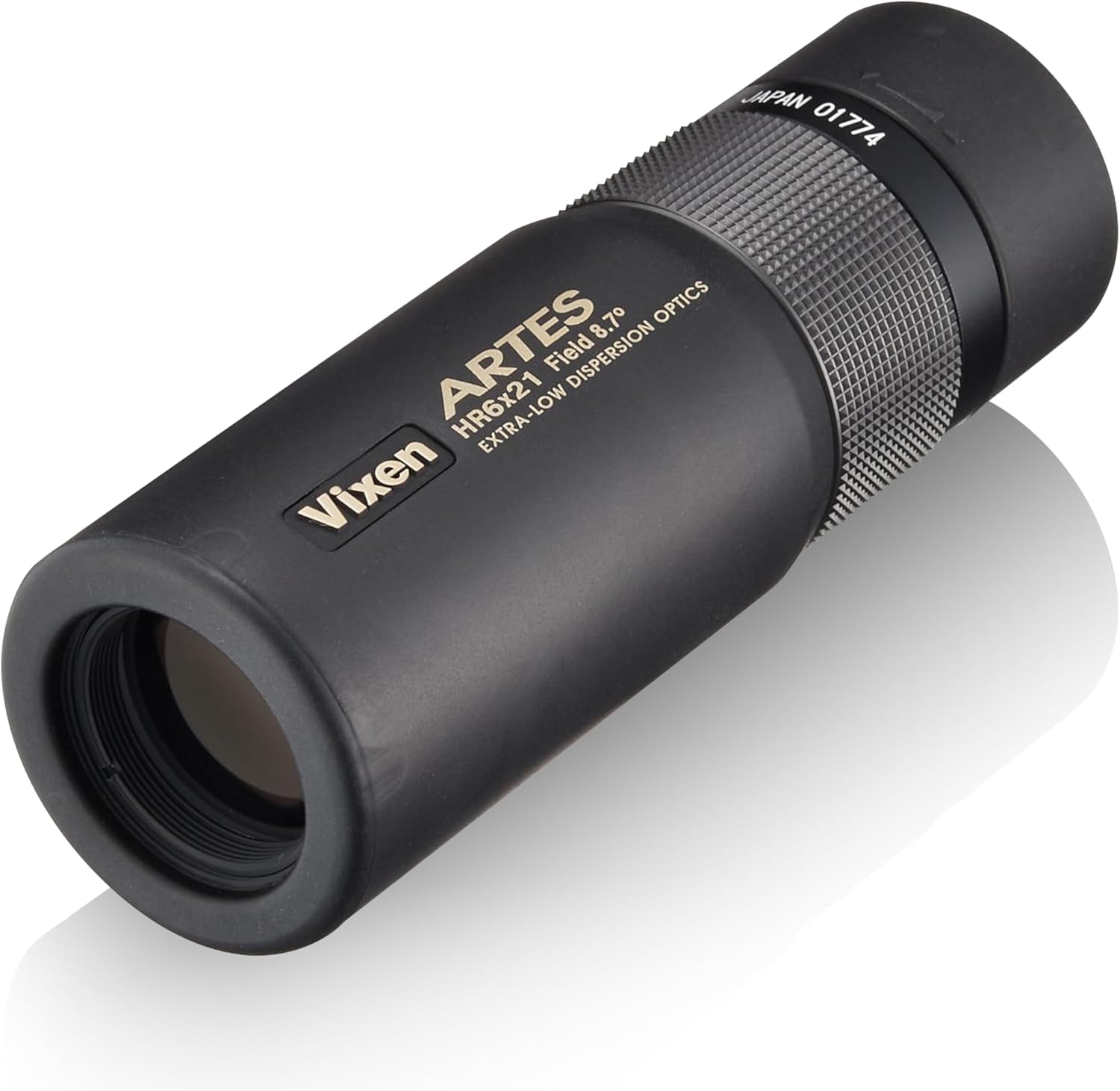
Celestron NexStar 6SE — the lightest serious SCT
For travel or for nights when the CEM70 stays packed, the 6-inch NexStar 6SE drops total weight to around 21 lb and still gives you SCT optics with GoTo. See the Celestron NexStar 6SE on Amazon.
Companion SCT comparison
| Model | Aperture | Total weight | Best role alongside an Edge 1100 |
|---|---|---|---|
| NexStar 6SE | 150 mm | ~21 lb | Travel scope, quick visual nights |
| NexStar 8SE | 203 mm | ~24 lb | Grab-and-go visual, lunar/planetary backup |
| NexStar 8SE + NexYZ DX | 203 mm | ~25 lb | Casual smartphone imaging while CEM70 runs DSO sessions |
For deeper background on mount sizing and pier setup, see our guides on best equatorial mounts for SCT astrophotography, building an EdgeHD 1100 imaging train, and CEM70 vs CEM120 for overhung payloads.
Frequently Asked Questions
How many counterweights does a Celestron Edge 1100 need on a CEM70?
Three 11 lb counterweights is the practical answer for a fully cabled Edge 1100 with focuser, OAG, filter wheel, and cooled camera. Two weights plus a long shaft extension can sometimes work for bare-tube visual use, but any imaging train tips the system tube-heavy enough that a third weight, positioned mid-shaft, gives you the cleanest RA balance and the easiest east-heavy bias adjustment.
Should I balance the CEM70 before or after polar alignment?
Always balance before polar alignment. Balancing involves rotating the OTA through positions that disturb any polar alignment you've set, so doing it second wastes time. Get balance right with the mount in the home position, then move to polar alignment using PoleMaster, SharpCap, or the iPolar built into the CEM70.
What east-heavy bias should I use for guiding an Edge 1100 on a CEM70?
Aim for a 2–4% east-heavy bias on the counterweight side. Practically that means sliding the weights 3–5 mm outward from the neutral balance point. The bias keeps the RA worm loaded in one direction during sidereal tracking, which removes periodic backlash visible in PHD2 guide logs as small RA spikes.
Does the CEM70's center-balanced design eliminate the need for careful balancing?
No. Center-balanced means the OTA's center of mass sits over the pier, reducing pier-tip stress and mount flex, but the RA and DEC axes themselves still need to be balanced exactly like any German equatorial. The CEM70 is more tolerant of imperfect balance than older designs, but an overhung Edge 1100 with cables and dew heaters is heavy enough to overwhelm that tolerance.
Will a Losmandy-style dovetail handle the Edge 1100 on a CEM70 saddle?
Yes — the CEM70 saddle is a dual Losmandy-D / Vixen clamp, and Celestron's Edge 1100 ships with a Losmandy CGE plate that fits directly. Confirm both saddle bolts are torqued evenly, because uneven clamping on a long dovetail can introduce flexure that mimics balance drift.
How do I know if my CEM70 is balanced well enough for autoguiding?
Run a 5-minute guide session at sidereal rate near the meridian. Healthy RA guiding with a properly balanced Edge 1100 should show RMS of 0.6–1.2 arcseconds with no repeating sawtooth pattern. A sawtooth pattern in RA almost always indicates either lost east-heavy bias or a slipping clutch, both of which trace back to balance rather than to the mount itself.
Can I leave the imaging train on the OTA when storing the rig?
Yes, and you should if storage allows it. Re-installing the imaging train shifts balance by enough that you'll need to re-verify DEC every time. Keeping the train mounted with the focuser locked preserves your balance position session to session, which is one of the biggest workflow wins for owners of overhung Edge 1100 setups.
Key Takeaways
- Choosing the right how to balance ioptron cem70 for celestron edge 1100 means matching capacity and output ports to your actual devices
- Always check actual watt-hours (Wh), not just watts — runtime depends on Wh, not peak output
- Also covers: cem70 c11 edgehd balancing
- Also covers: ioptron cem70 heavy sct balance
- Also covers: edge 1100 mount counterweight setup
- Compare price-per-Wh across models to find the best value for your budget