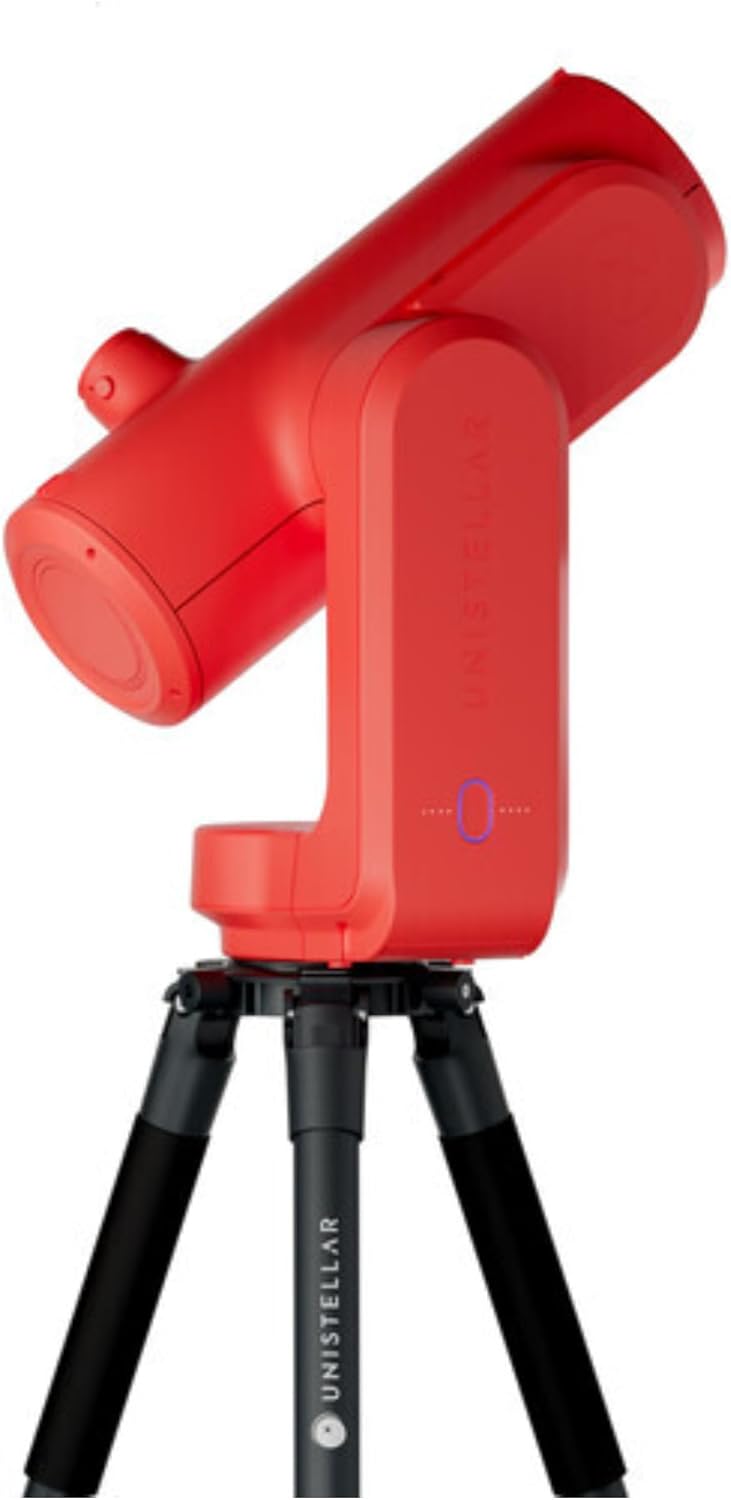
The Celestron Origin for 55-plus communities is the most practical smart telescope choice for active adult neighborhoods, clubhouse astronomy clubs, and resort-style retirement villages in 2026. It auto-aligns, auto-focuses, and streams live, stacked images of nebulae and galaxies straight to residents' phones and tablets, so no one needs to crouch at an eyepiece, fumble with star charts, or learn the night sky cold. For clubs at Sun City, The Villages, Robson, Trilogy, Latitude Margaritaville, and similar communities, the Origin turns a single device into a shared, accessible, weather-resilient viewing station that an entire cul-de-sac can enjoy from a folding chair.
Below we break down why the Celestron Origin fits the 55-plus lifestyle, how it compares to traditional Celestron GoTo scopes that your club may already own, and which alternatives make sense if your HOA budget or storage closet rules out the all-in-one Origin rig.
Why the Celestron Origin Fits Active Adult Communities
Most amateur telescopes were designed for a solo observer in a dark backyard. That model breaks down in a 55-plus community, where viewing nights happen on a lit pool deck, attendees rotate through every five minutes, and at least one member of the astronomy club has had a knee replaced in the last eighteen months. The Celestron Origin solves all three problems with a single design choice: it puts the image on a screen, not behind an eyepiece.
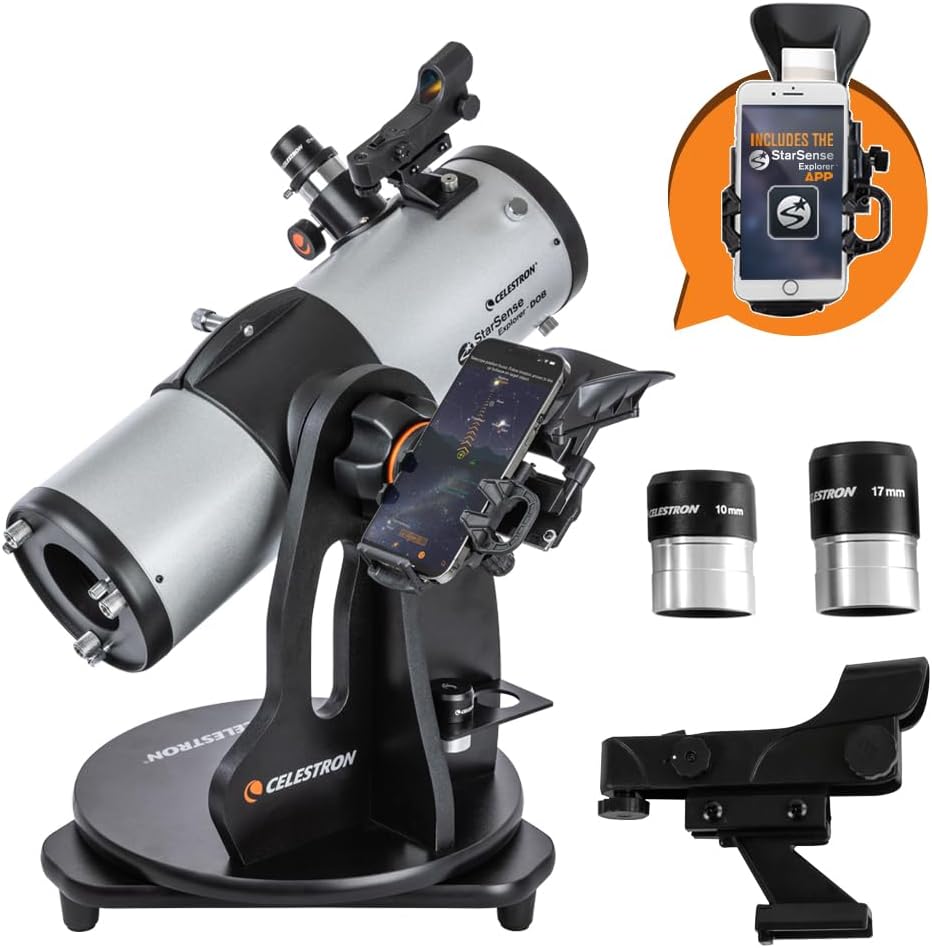
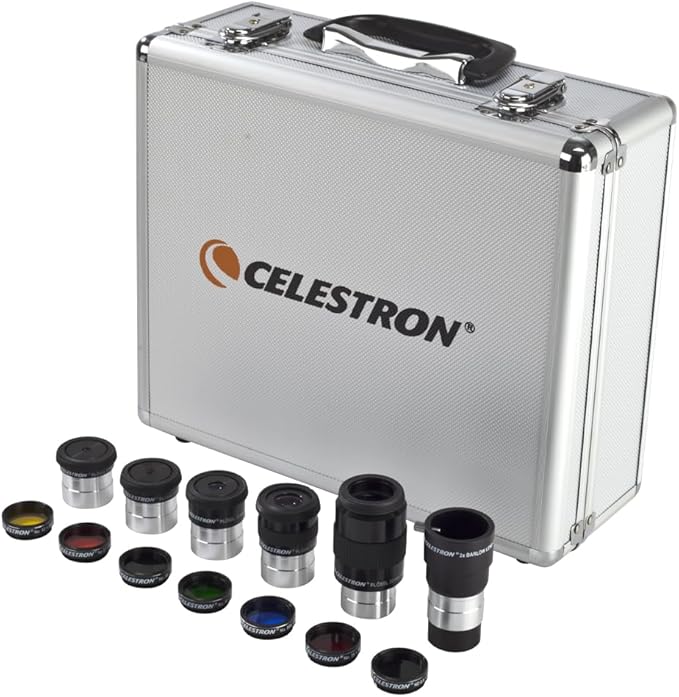
That shift matters more than it sounds. Bifocal wearers no longer have to remove glasses to peek through a tiny exit pupil. Members with macular degeneration or cataracts can finally see Saturn's rings on a high-contrast tablet display. And wheelchair or walker users don't have to navigate around a tall tripod to reach an eyepiece at six feet. For the Celestron Origin for 55-plus communities, accessibility isn't a bonus feature — it's the whole point.
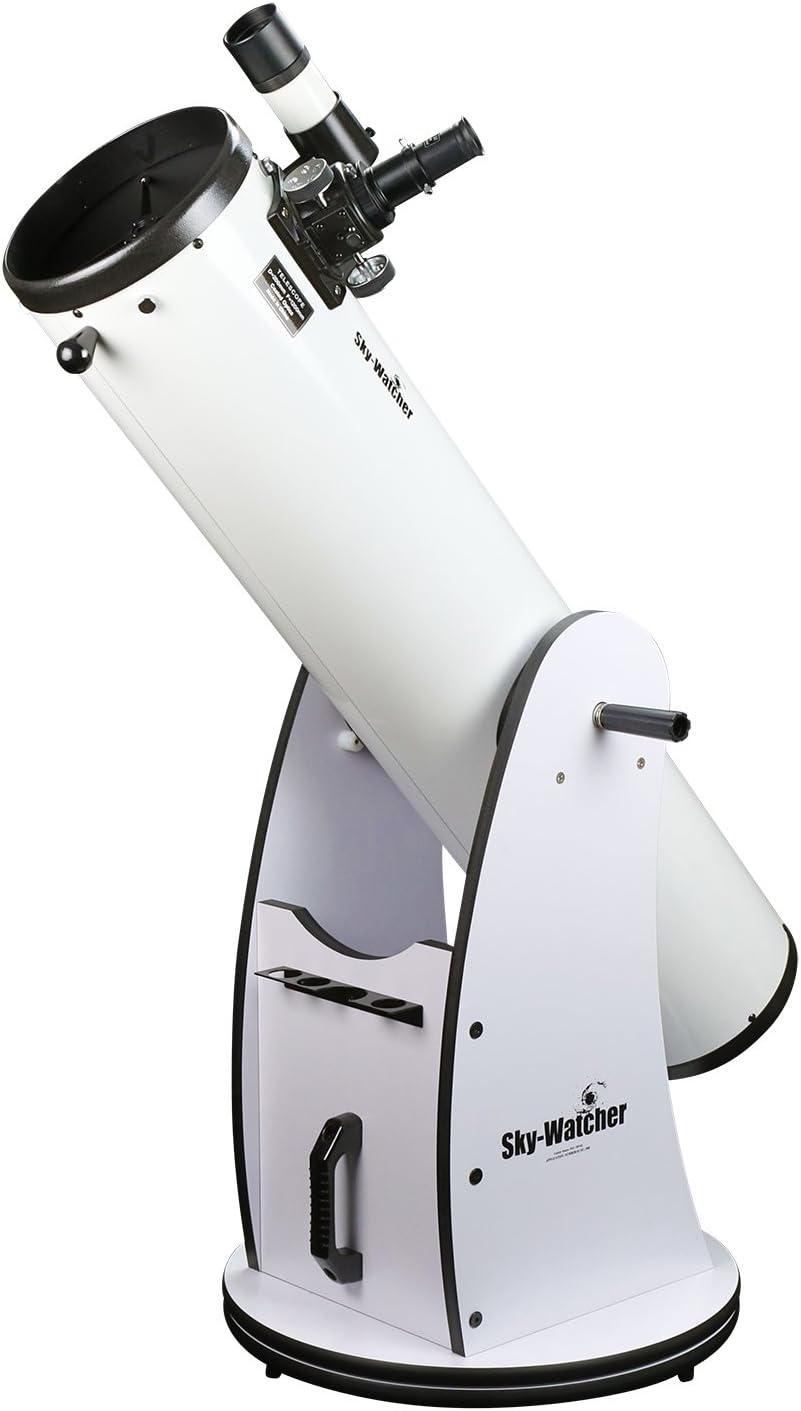
The Origin also runs its own onboard image processing. It stacks short exposures in real time and delivers a deep-sky image of the Orion Nebula, Andromeda Galaxy, or the Ring Nebula within a minute or two. That speed is critical at a clubhouse event where you have forty people to get through before the 9:30 PM quiet hours kick in.
How the Origin Compares to Traditional Celestron GoTo Scopes
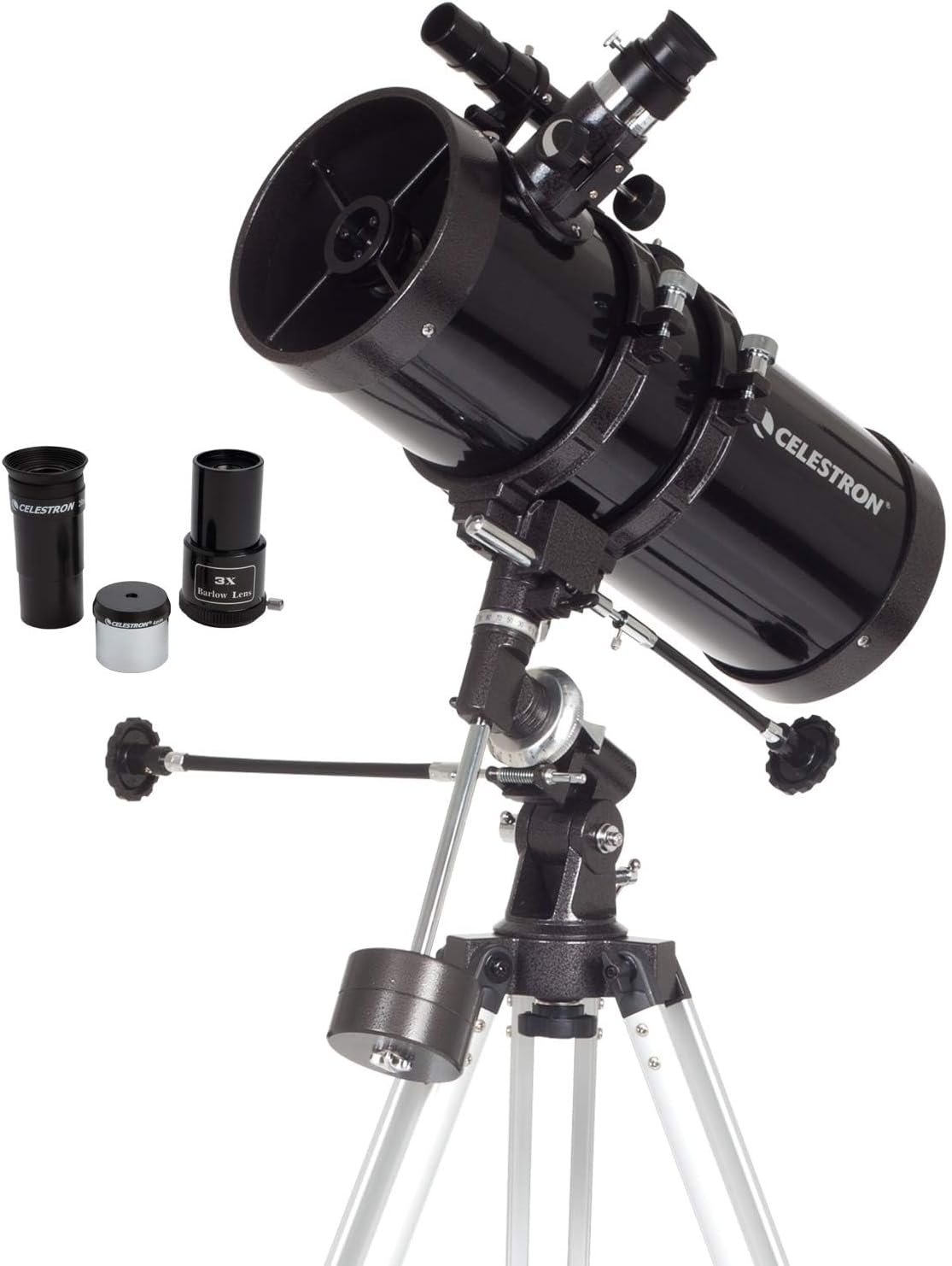
Plenty of 55-plus astronomy clubs already own a Celestron NexStar SE-series telescope, and for good reason: they're legendary, reliable, and far less expensive than the Origin. The question is whether the Origin replaces them or complements them. The short answer: complement. The Origin shines for shared events and imaging; a NexStar still rules for one-on-one eyepiece time with the Moon, Jupiter, and Saturn.
| Model | Aperture | Best Use in a 55+ Community | Setup Time | Eyepiece or Screen |
|---|---|---|---|---|
| Celestron Origin (smart) | 6" RASA f/2.2 | Group viewing nights, deep-sky imaging on tablets | ~10 minutes, fully automatic | Phone/tablet screen |
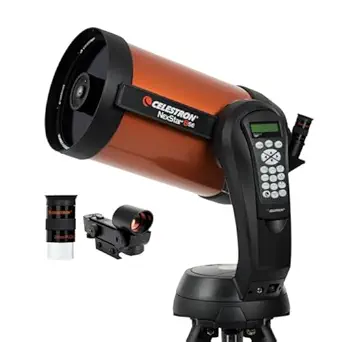
| Celestron NexStar 8SE | 8" Schmidt-Cassegrain | Detailed lunar & planetary viewing for small groups | ~15-20 minutes with SkyAlign | 1.25" eyepiece |
| Celestron NexStar 6SE | 6" Schmidt-Cassegrain | Portable clubhouse-to-patio scope for smaller clubs | ~15 minutes with SkyAlign | 1.25" eyepiece |
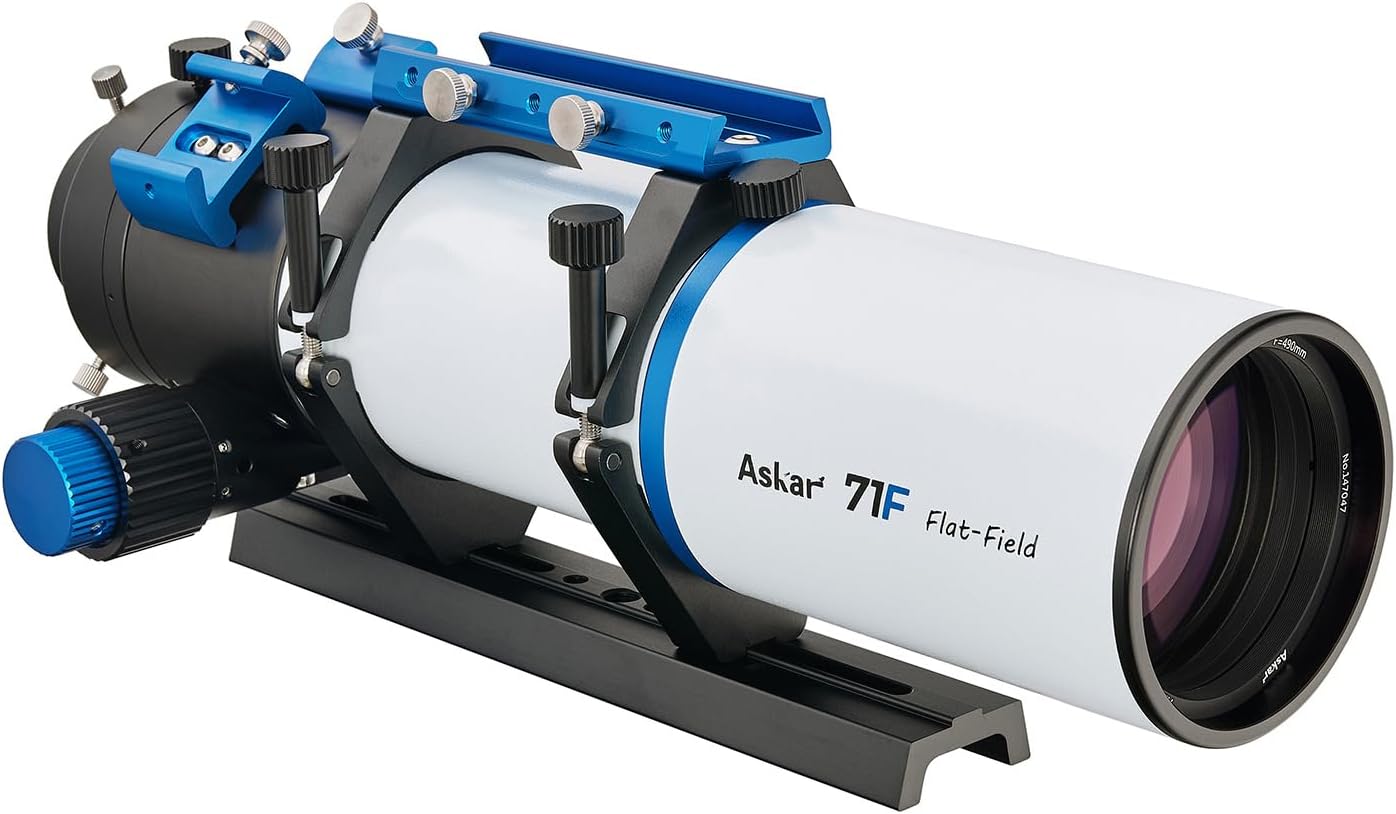
Celestron NexStar 8SE — The Heavy Hitter Most 55+ Clubs Already Trust
If your community already has a star party tradition, odds are high someone owns this scope. The 8-inch Schmidt-Cassegrain is the gold standard for clubhouse astronomy because it splits the difference between aperture (light grasp for galaxies) and portability (it still fits in a Buick LeSabre trunk). The fully automated GoTo mount with SkyAlign means a resident can point it at any three bright objects in the sky and the scope figures out where it is on its own — no compass, no leveling, no latitude entry. With 40,000+ objects in the hand-controller database, it stays interesting for years.
Check the Celestron NexStar 8SE on Amazon
Celestron NexStar 6SE — The Pickleball-Friendly Option
For couples who want their own scope at home and don't want to lug an 8-inch tube down three concrete steps, the 6SE is the sweet spot. It uses the same SkyAlign-equipped mount as its bigger sibling, has the same database, and delivers crisp views of the Moon's terminator, Jupiter's cloud bands, Saturn's rings, and the brighter Messier objects. It's also genuinely one-person friendly — important when your viewing partner has an early tee time and you're closing down the patio alone.
Check the Celestron NexStar 6SE on Amazon
Celestron NexStar 8SE with NexYZ DX Smartphone Adapter Kit
This bundle bridges the gap between a traditional eyepiece scope and the screen-based Origin experience. The NexYZ DX is a three-axis smartphone adapter that clamps onto the 8SE's eyepiece and lets you center your phone camera over the view in seconds. Combined with the included AC adapter (no more dead battery packs at 10 PM), it's the most pragmatic upgrade path for a club that already loves the 8SE but wants the social-sharing angle that makes the Celestron Origin for 55-plus communities so appealing.
Check the NexStar 8SE + NexYZ DX Kit on Amazon
Celestron NexStar 8SE with 1.25" Eyepiece and Filter Kit
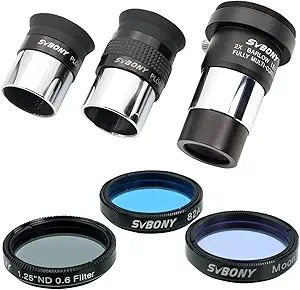
If your community already has an astronomy club with a regular schedule, this version of the 8SE adds the accessories you'll otherwise spend the next year buying piecemeal. The included filter kit pulls more detail out of Jupiter and Mars, cuts moon glare during full-Moon week, and gives a club's accessory bag immediate depth. It's the right pick for clubs that want one purchase and one purchase only to get from box to first light.
Check the NexStar 8SE Eyepiece & Filter Kit on Amazon
Storage, HOA Rules, and the Realities of Clubhouse Astronomy
One thing nobody mentions in glossy telescope reviews: 55-plus communities have CC&Rs (covenants, conditions, and restrictions), and many of them limit how long equipment can stay outside, what can be stored on patios, and how late outdoor activity can run. The Origin's quick setup — typically under ten minutes from carry-out to first image — makes it easier to comply with quiet hours that often start at 10 PM. The NexStar SE scopes take longer to align, but their compact fork-arm mount fits in a standard hall closet, which matters more than it sounds when your unit is 1,400 square feet.
For shared clubhouse storage, look for a lockable rolling case. Most clubs we've talked to keep the scope in a dedicated cabinet inside the activity room, with a checkout sheet managed by the astronomy club president. A laminated quick-start card taped to the inside of the case lid saves the new treasurer from a panicked 9 PM phone call.
Light Pollution in 55-Plus Communities (and What Actually Helps)
Most active adult communities are built in or near growing suburbs — Phoenix metro, Central Florida, the Carolinas, the Inland Empire — where sky glow is rarely better than Bortle 6 or 7. That reality affects which scope makes sense. The Celestron Origin's onboard stacking and built-in light-pollution processing pull faint galaxies out of orange skies in a way no eyepiece can. The NexStar SE series, paired with a quality narrowband filter, still does brilliant work on the Moon and planets, which barely care about light pollution.
If your community has dark-sky-friendly amber LED street lighting (common in Arizona retirement communities), you'll see noticeably better results from any of these scopes. If your viewing pad sits beside the pickleball court floodlights, accept it, embrace planetary nights, and use a tarp or canopy to block the worst direct glare. We covered this strategy in more depth in our guide to light pollution filters for suburban retirees.
Accessibility Features That Actually Matter
When we evaluate equipment for 55-plus use, we look at five accessibility points: weight of the heaviest single piece, knob size, screen brightness, app font legibility, and whether the tripod can be operated from a seated position. The Origin scores well on most of these — particularly the tablet interface, which can be set to high-contrast mode with large fonts. The NexStar SE hand controller has tactile rubber buttons and a backlit LCD, but the text is small; pair it with the free Celestron SkyPortal app on a tablet for a much friendlier experience.
Members with arthritis should know: the Origin's automatic everything eliminates the worst pinch-point — manual focus knobs. For the SE scopes, an aftermarket motorized focuser is a worthwhile $150 add-on that several clubs we surveyed budgeted into their accessory fund.
Budgeting the Celestron Origin for 55-Plus Communities
The Origin sits at a premium price point that gives most individual residents pause. The good news: 55-plus communities are unusually well-suited to splitting that cost. A 30-member astronomy club at $40 a year in dues fully funds an Origin over two seasons. Many HOAs also have an activity-grant program that will match club fundraising for shared equipment. Compare that to a NexStar 6SE, which most individuals can buy outright without a second thought — and which makes a great "my own scope" companion to a club-owned Origin.
For new clubs still building membership, we usually recommend starting with the NexStar 8SE (great views, fast learning curve, immediate wow factor at lunar terminator events), then graduating to an Origin as a second scope once the membership commits to monthly outings. For more on getting a club off the ground, see our notes on starting an astronomy club in a retirement community.
Frequently Asked Questions
Is the Celestron Origin too complicated for residents who aren't tech-savvy?
No, and that's the whole design intent. The Origin runs from a tablet app with a one-tap "Initialize" button that handles leveling, alignment, and focus automatically. Once it's running, residents tap an object name in the catalog and the image appears on screen within a minute or two. The cognitive load is closer to using a smart TV than a traditional telescope.
Can the Celestron NexStar 8SE be used for astrophotography in a 55-plus community?
Yes, with caveats. The 8SE's fork-arm alt-azimuth mount is excellent for short-exposure lunar and planetary imaging, particularly when paired with a smartphone adapter like the NexYZ DX. For long-exposure deep-sky work, you'd need an equatorial wedge and a dedicated astro camera, which pushes the system beyond what most clubhouse events need. The Origin handles that workflow natively.
What's the best Celestron telescope for an arthritic observer in a retirement community?
For pure ease of use, the Origin wins — there's no eyepiece focusing, no heavy lifting beyond the initial carry-out, and all controls are on a tablet. For a more traditional eyepiece experience with the lightest setup, the NexStar 6SE is the easiest to handle. Pair either scope with a tall stool or zero-gravity chair for hands-free comfort during longer sessions.
Will my 55-plus community's HOA approve a clubhouse astronomy program?
In our experience, yes — astronomy is one of the easiest activity proposals to get approved because it's quiet, low-impact, intergenerational-friendly when grandkids visit, and uses existing patio or pickleball-court space. Bring a one-page proposal that covers storage, scheduling, insurance (typically already covered under the master HOA policy), and a sample event night. Most boards approve on the first reading.
How does the Celestron Origin handle Florida humidity and Arizona dust?
The Origin's optical tube is sealed better than a traditional Schmidt-Cassegrain, which helps with both dew and dust intrusion. In humid Gulf Coast communities, a small 12V dew heater strip is still a worthwhile $40 accessory. In desert climates, a soft microfiber cover and storage indoors (not in the garage during summer) keeps the corrector plate and electronics happy. The NexStar SE scopes need similar care.
Can multiple residents view through the Celestron Origin at the same time?
Yes — this is the killer feature for community use. The Origin broadcasts its live, stacked image to multiple tablets and phones simultaneously over Wi-Fi. A group of ten or twenty residents can each watch Andromeda Galaxy fade into view on their own device from their own chair. No more lines at the eyepiece, no more "don't touch the focus knob" stress, and no more cold feet waiting for a turn.
What's a reasonable budget for a 55-plus community astronomy club's first year?
For a club starting from scratch, plan on $1,500 to $3,500 for the primary scope (a NexStar 6SE or 8SE fits the lower end; an Origin sits at the higher end), $200 to $400 for accessories (filters, eyepieces, dew control, power), $100 for storage and a rolling case, and $50 for printed materials and a laminated quick-start guide. Many clubs recoup these costs through modest annual dues and a single community fundraiser.
Key Takeaways
- Choosing the right Celestron Origin for 55-plus communities means matching capacity and output ports to your actual devices
- Always check actual watt-hours (Wh), not just watts — runtime depends on Wh, not peak output
- Also covers: Celestron Origin retirement community use
- Also covers: Origin smart telescope for seniors
- Also covers: active adult HOA telescope rules
- Compare price-per-Wh across models to find the best value for your budget