For suburban backyard astrophotographers, the askar fra400 bortle 4 narrowband budget formula works because the FRA400 pairs a fast f/5.6 focal ratio with a flat, color-corrected field that punches through light pollution when paired with dual-band or 3nm narrowband filters. From Bortle 4 skies you can pull clean Ha and OIII data on emission nebulae in 2-4 hour sessions, keep the whole imaging train under roughly $2,800 (OTA, camera, filter, guiding), and reuse the same kit for galaxy season with a duo-band swap. Below is the full 2026 build, filter strategy, exposure recipe, and target list.
Why the FRA400 is the right scope for Bortle 4 narrowband on a budget
The Askar FRA400 is a 72mm quintuplet flat-field astrograph with a native focal length of 400mm at f/5.6. Three things make it punch above its $899-ish street price for narrowband work from moderately light-polluted yards:
- Fast focal ratio. At f/5.6 it gathers signal nearly twice as fast as the f/7 doublets common in this aperture class. For narrowband, where photon rates through a 3nm filter are already a fraction of broadband, that speed matters more than aperture.
- Built-in field flattener. The quintuplet design means stars stay round into the corners of APS-C and even most full-frame sensors with no extra flattener purchase, so the budget stays intact.
- Modest demands on the mount. The OTA weighs about 6.5 lb, which means a strain-wave or budget GEM rated for 20+ lb payload will guide it cleanly even in 15 mph gusts.
Under Bortle 4 (transition suburban/rural, limiting magnitude around 6.1), broadband galaxy imaging is still viable but emission targets benefit dramatically from narrowband. The FRA400's wide 2.7° x 1.8° APS-C field is also a near-perfect match for large nebulae like the North America, Heart, Soul, and Veil complexes that a longer scope would frame too tight.
The askar fra400 bortle 4 narrowband budget breakdown
A complete imaging rig in 2026 looks like this:
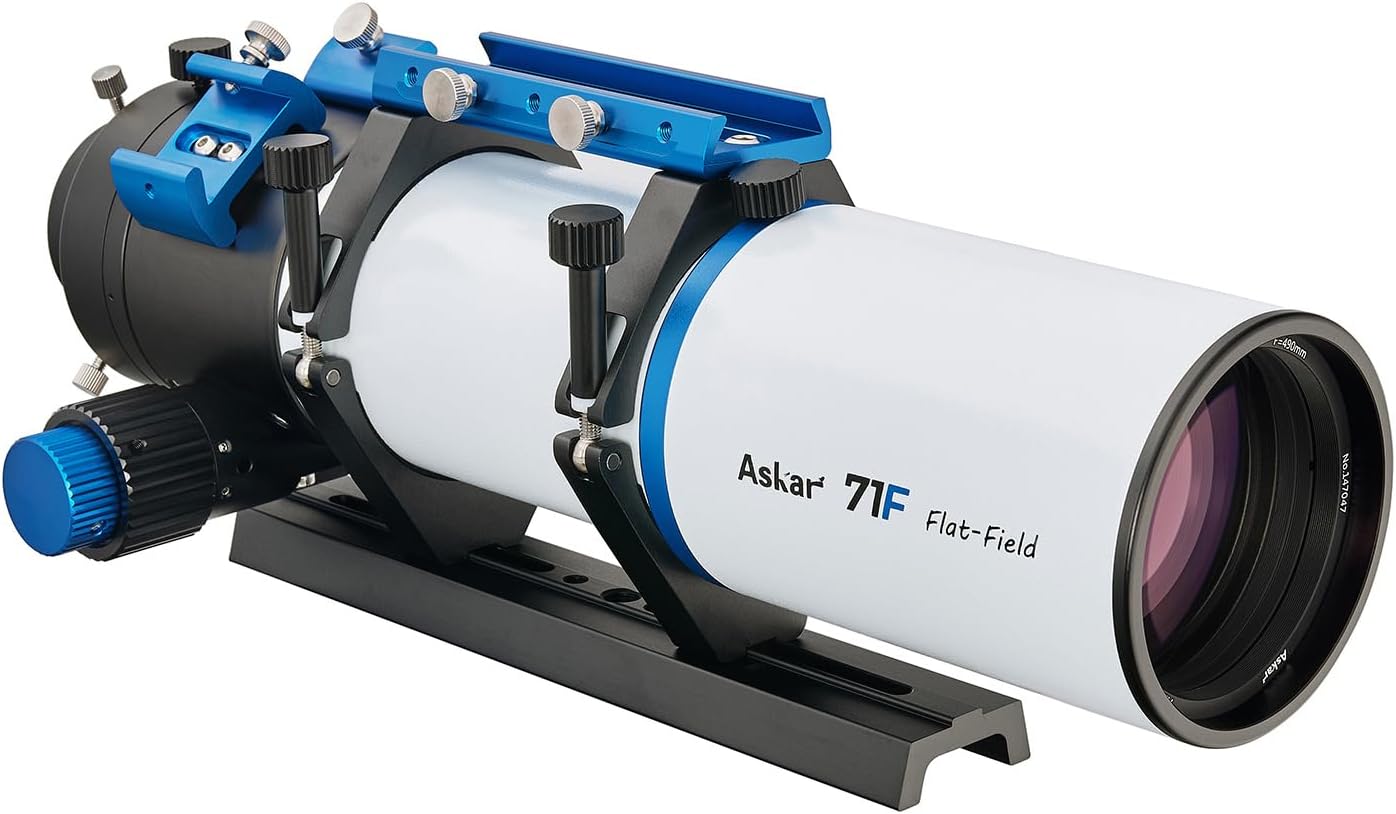
- Askar FRA400 OTA — ~$899
- Cooled CMOS camera (ZWO ASI533MC Pro or ASI2600MC Air for OSC, or 533MM Pro for mono) — $799-$1,499
- Dual-narrowband filter (Optolong L-eNhance, L-Ultimate, or Antlia ALP-T) — $189-$329
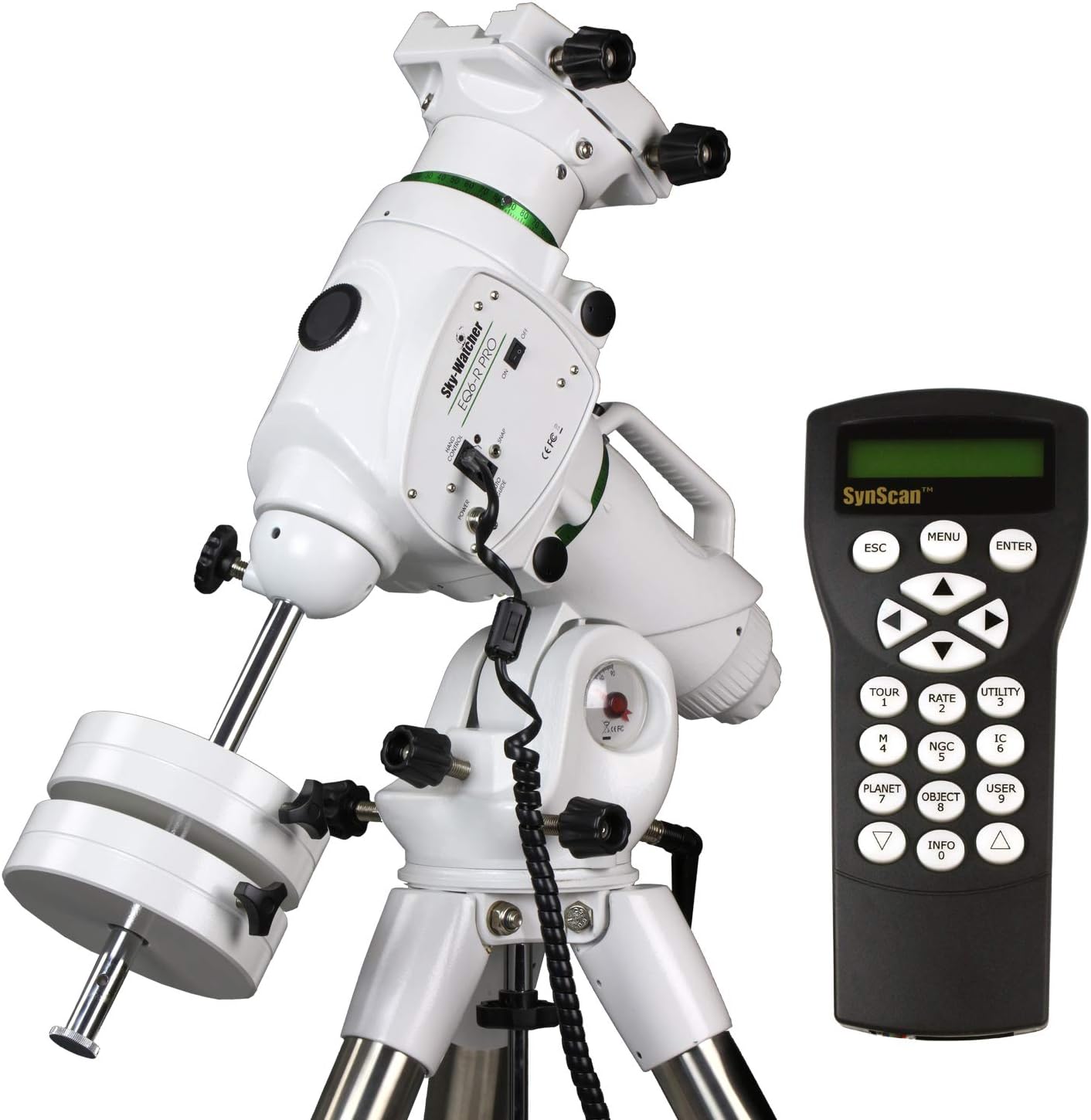
- Strain-wave mount (ZWO AM3 or iOptron HEM15) — $1,499-$1,599
- Mini guide scope + guide camera — $179
- Total: roughly $2,365 to $4,505 depending on mono vs. OSC and mount choice
The sweet spot for the askar fra400 bortle 4 narrowband budget goal is the OSC route: FRA400 + ASI533MC Pro + Antlia ALP-T 5nm + AM3 lands around $2,800 all-in and produces publishable Ha/OIII bicolor in a single night.
Filter strategy: what actually works from Bortle 4
From a true Bortle 4 yard, you have two filter paths.
Path A: One-shot color (OSC) with a dual-band filter
This is the budget-optimal route. A 5-7nm dual narrowband filter (Antlia ALP-T 5nm, Optolong L-Ultimate 3nm, or the cheaper L-eNhance for ~$189) blocks 99% of light pollution while passing Ha and OIII simultaneously. With an ASI533MC Pro you collect both channels every sub. Total integration of 3-4 hours yields strong Hubble-palette bicolor on the Veil, Pelican, and Rosette.
Path B: Monochrome with 3nm Ha/OIII/SII
If you can stretch the budget to a 533MM Pro plus a filter wheel and a set of 3nm Antlia or Astrodon filters, signal-to-noise per sub roughly doubles for the same exposure. Plan on 6-8 hours per target spread over two or three nights. SHO palette becomes attainable from Bortle 4 backyards.
For more on choosing between OSC and mono, see our OSC vs mono narrowband for suburban skies guide.
Mount: where most budget builds quietly fail
The FRA400 weighs only 6.5 lb but the camera, filter drawer, guide scope, and dew heater push the imaging train near 12 lb. Skimp on the mount and you will spend the next six months chasing elongated stars instead of finishing targets.
Two mounts deserve consideration in 2026:
- ZWO AM3 strain-wave — 30 lb payload imaging, no counterweight needed for the FRA400, total guided RMS routinely under 0.6 arcsec. Around $1,599.
- iOptron HEM15 — similar payload, slightly cheaper, includes hand controller. Around $1,499.
Avoid older belt-drive GEMs in the SkyWatcher EQM-35 / iOptron CEM26 class for narrowband — they technically carry the load but periodic error eats into your usable subs at 400mm.
A complementary visual scope for the same backyard
One pattern we see often: the imager runs the FRA400 on a 4-hour automated sequence and wants a second telescope for visual observing while the rig works. A Schmidt-Cassegrain on a GoTo alt-az mount is the natural pairing because it shares no moving parts with the imaging rig and the alt-az workflow doesn't need polar alignment.
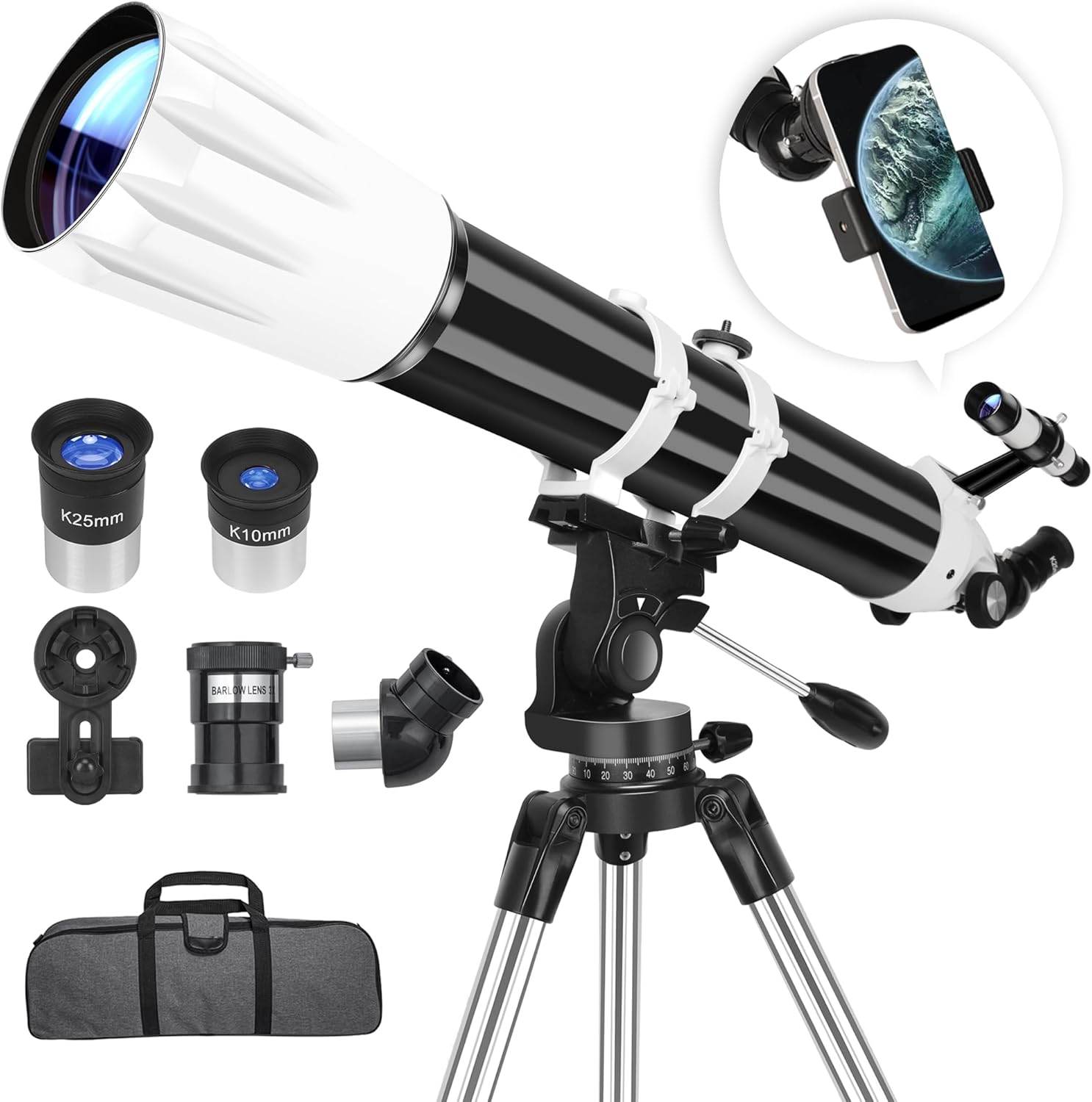
If that pattern fits your yard, two options stand out.
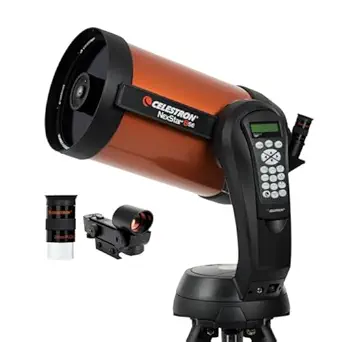
Celestron NexStar 8SE
The 8" aperture is a step up in light grasp for visual planetary, lunar, and double-star work — the targets narrowband imaging is least suited for. The SkyAlign GoTo system finds objects in two minutes, freeing you to enjoy the sky while the FRA400 integrates. Around $1,599 and arguably the most versatile second scope an astrophotographer can own.
Check the Celestron NexStar 8SE on Amazon
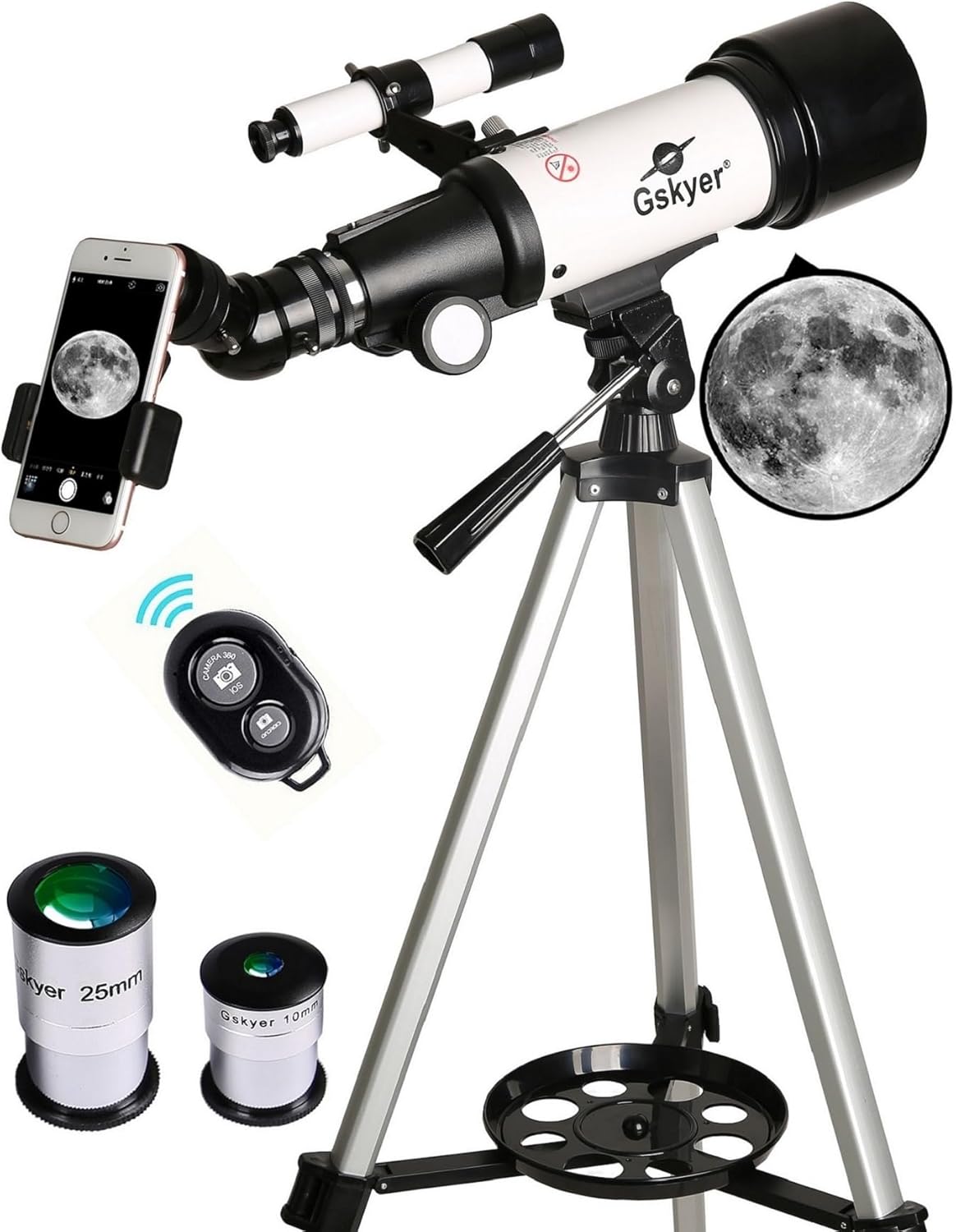
Celestron NexStar 6SE
If $1,599 stretches the household astronomy budget too thin while you are also buying the FRA400 imaging train, the 6SE drops to around $999 and still delivers crisp views of Jupiter, Saturn, and the brighter Messier targets. Same GoTo database, same SkyAlign, lighter to carry out each session.
Check the Celestron NexStar 6SE on Amazon
Celestron NexStar 8SE with NexYZ Smartphone Adapter Kit
For families who want the 8" aperture plus easy smartphone afocal capture of the Moon and planets while the FRA400 chases deep-sky, the bundled NexYZ kit and AC adapter save about $80 over buying separately.
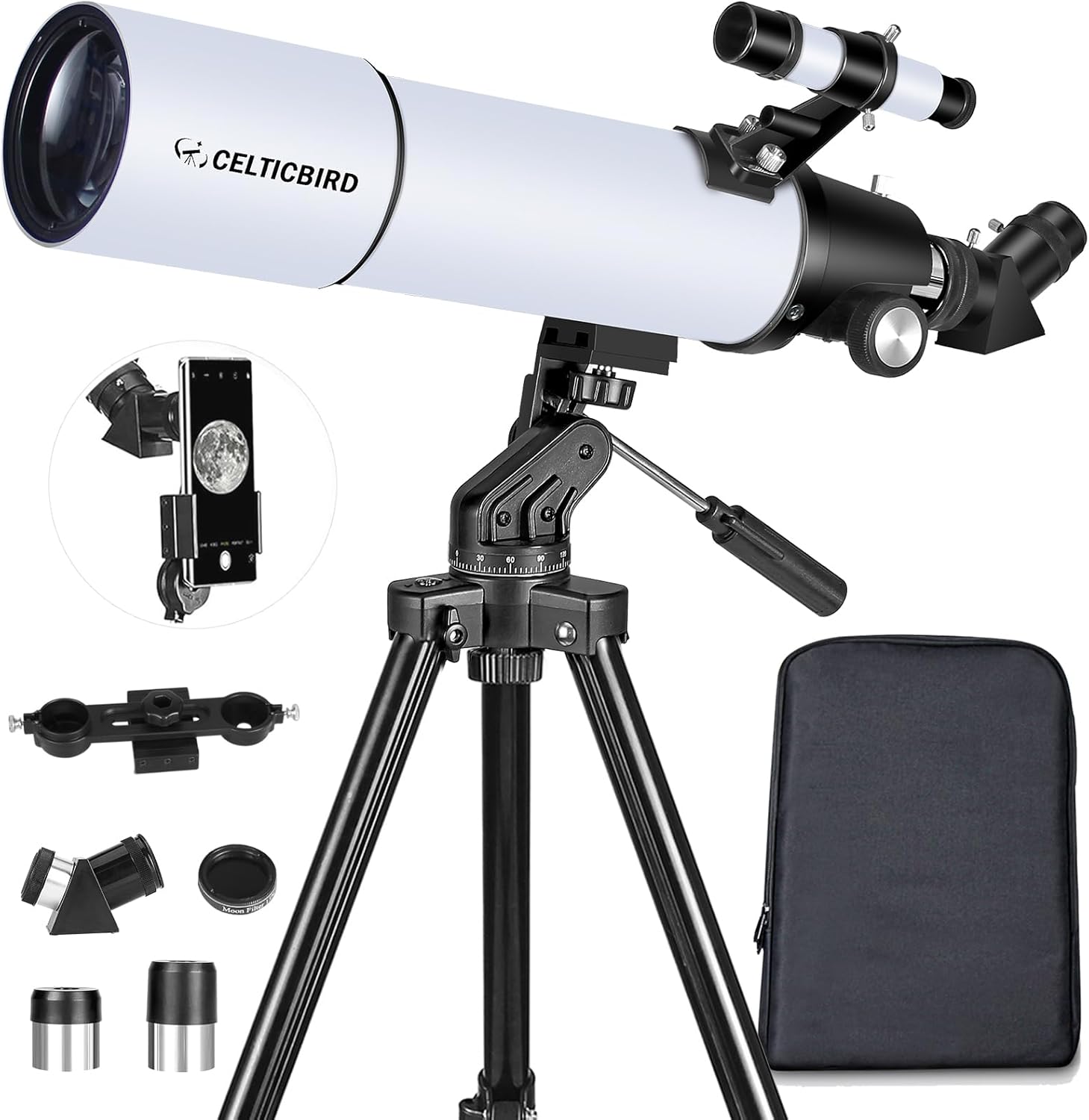
Check the NexStar 8SE + NexYZ bundle on Amazon
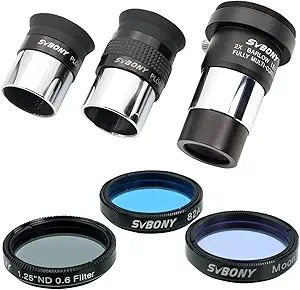
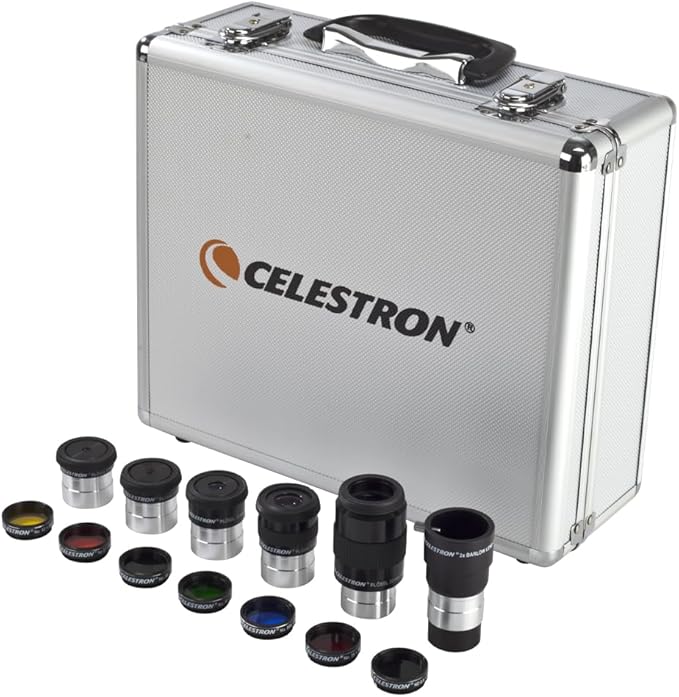
Celestron NexStar 8SE with Eyepiece and Filter Kit
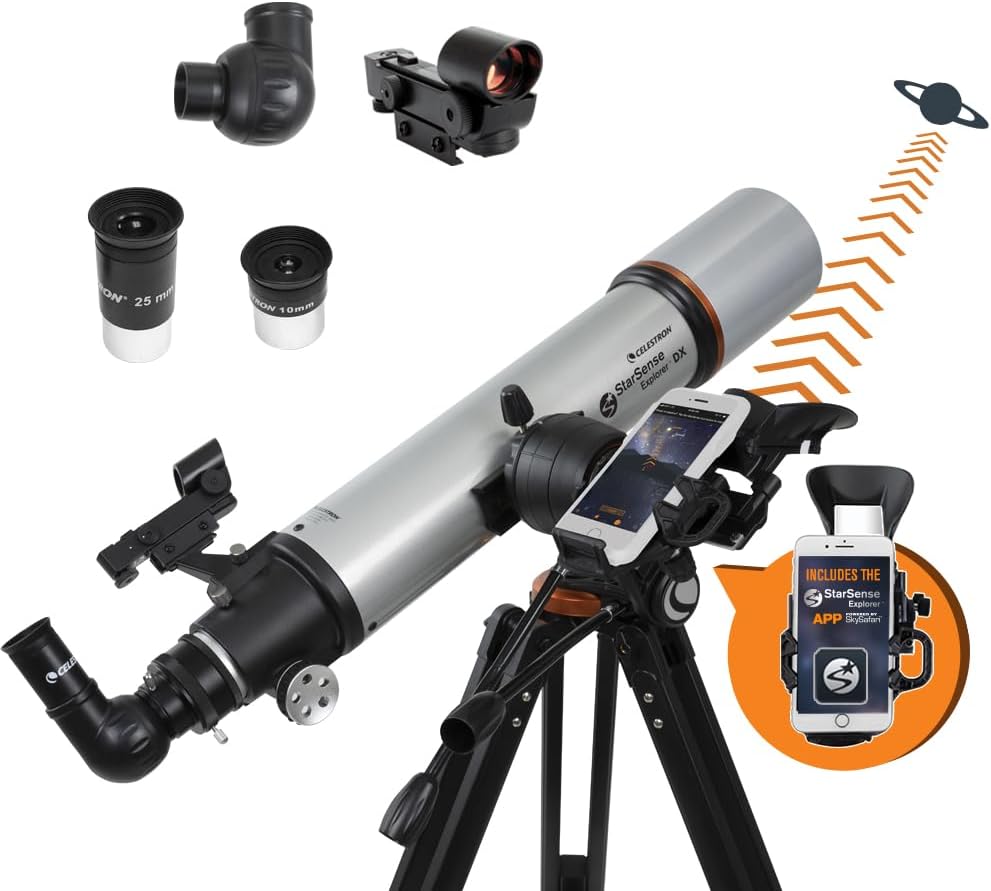
The factory eyepiece-and-filter kit version adds a 1.25" accessory case that complements the stock 25mm Plossl — useful if this is also your only visual scope and you don't want to spend another night buying accessories.
Check the NexStar 8SE with Filter Kit on Amazon
Comparison: complementary visual scopes for the FRA400 imager
| Model | Aperture | Approx. Price | Best For | Weight |
|---|---|---|---|---|
| NexStar 6SE | 150mm | $999 | Tight budget, easy carry | 30 lb total |
| NexStar 8SE | 203mm | $1,599 | Maximum visual aperture | 33 lb total |
| NexStar 8SE + NexYZ | 203mm | $1,679 | Visual + phone planetary capture | 33 lb total |
| NexStar 8SE + Filter Kit | 203mm | $1,649 | Turnkey single-scope users | 33 lb total |
Exposure recipe for Bortle 4 narrowband with the FRA400
Starting numbers that work for the FRA400 + ASI533MC Pro + Antlia ALP-T from a Bortle 4 yard:
- Gain: 100 (high conversion gain mode)
- Sub length: 300 seconds for Ha-bright targets, 600 seconds for OIII-dominant nebulae like the Veil
- Cooling: -10°C summer, -15°C winter
- Total integration: 3-4 hours minimum, 6+ hours for OIII-faint targets
- Calibration: 30 darks, 50 flats per filter, 100 bias
If you are using a mono camera, double the recommended integration since you are splitting time across Ha and OIII (and optionally SII) channels.
Targets that work in this build's first six months
Plan the year around the FRA400's wide 2.7° field. Targets that famously frame well at 400mm on APS-C:
- Spring: Rosette Nebula, Jellyfish, IC 410 Tadpoles
- Summer: North America + Pelican mosaic, Eastern + Western Veil in a single frame, Crescent, Tulip
- Autumn: Heart Nebula, Soul Nebula, Pacman, Wizard, Sh2-115
- Winter: California Nebula, Flaming Star + Tadpoles wide field, Horsehead + Flame region, Orion's Sword
For a deeper target plan see our FRA400 target list by month for 2026.
Common mistakes that wreck the budget build
- Buying the filter last. A $189 dual-band filter unlocks Bortle 4 narrowband; an $89 light-pollution filter does not. Spend here first.
- Undersizing the mount. Anything below 20 lb imaging-rated payload will guide poorly at 400mm in real wind.
- Skipping the flat frames. The FRA400 has clean illumination but your filter drawer adds dust. Take flats every session.
- Imaging through moonlight in Ha without checking phase. 3nm Ha tolerates a 70% moon at 60° separation; OIII does not. Plan OIII for the dark half of the lunar cycle.
Frequently Asked Questions
Can the Askar FRA400 really pull narrowband from Bortle 4 without a mono camera?
Yes. A modern OSC like the ZWO ASI533MC Pro behind a 3-5nm dual-band filter captures Ha and OIII simultaneously into the red and blue channels respectively. From Bortle 4, three to four hours of 300-second subs on targets like the Heart Nebula or Veil produce strong bicolor results without ever swapping a filter or buying a wheel.
Is the FRA400 better than a SharpStar 61EDPH II for budget narrowband?
At f/5.6 vs. f/4.5, the SharpStar 61 is technically faster but at 274mm focal length it frames most emission nebulae too small for APS-C aesthetics. The FRA400's 400mm focal length is the wider-aperture sweet spot for the Veil, Heart, Soul, and Rosette. The FRA400 also has tighter star figures in the corners with no field flattener purchase needed.
What is the minimum mount payload for the FRA400 with a cooled camera?
Plan for at least 20 lb imaging payload rating, even though the actual rig is 12-13 lb. Mount manufacturers rate visual loads liberally; the imaging-rated figure is what matters for guiding RMS under 0.7 arcsec at 400mm. The ZWO AM3 and iOptron HEM15 both qualify comfortably.
Do I need a guide scope or will an off-axis guider work on the FRA400?
A mini guide scope is the right answer here. At 400mm focal length the differential flexure risk is low, OAG vignetting from filter drawers becomes a hassle, and a 30-32mm guide scope with an ASI120MM Mini or ASI220MM Mini guides at well below the FRA400's seeing-limited resolution. Save the OAG for longer SCTs and RC scopes.
How long until I see results — is this a one-night build?
From unboxing to a finished image of the Veil Nebula in a single weekend is realistic if the weather cooperates. Friday: balance, polar align, plate solve. Saturday night: 3-4 hours of integration. Sunday: stack in DeepSkyStacker or Siril, stretch in PixInsight or GraXpert. Most users post their first publishable narrowband image within two weeks.
Can I use the FRA400 for galaxies during galaxy season from Bortle 4?
Yes, with caveats. 400mm is short for galaxies, so only the largest targets (M31, M33, M81/82 wide-field, M101) frame well. Swap the narrowband filter for an L-Pro broadband light-pollution filter and plan on longer integration since galaxies are broadband objects competing directly with sky glow. See our FRA400 galaxy season from Bortle 4 companion guide.
What is the upgrade path after the askar fra400 bortle 4 narrowband budget rig is dialed in?
The most cost-effective next step is a second OTA at longer focal length — typically a 6" or 8" Newtonian or an RC8 — to attack smaller galaxies and planetary nebulae the FRA400 cannot resolve. Keep the FRA400 mount and camera; just add the new tube and a coma corrector if needed. The total upgrade is usually under $1,200 because the expensive parts of your rig (camera, mount, filters, computer) all carry forward.
Key Takeaways
- Choosing the right askar fra400 bortle 4 narrowband budget means matching capacity and output ports to your actual devices
- Always check actual watt-hours (Wh), not just watts — runtime depends on Wh, not peak output
- Also covers: fra400 narrowband suburban backyard
- Also covers: askar fra400 ha oiii bortle 4
- Also covers: budget quintuplet narrowband imaging
- Compare price-per-Wh across models to find the best value for your budget