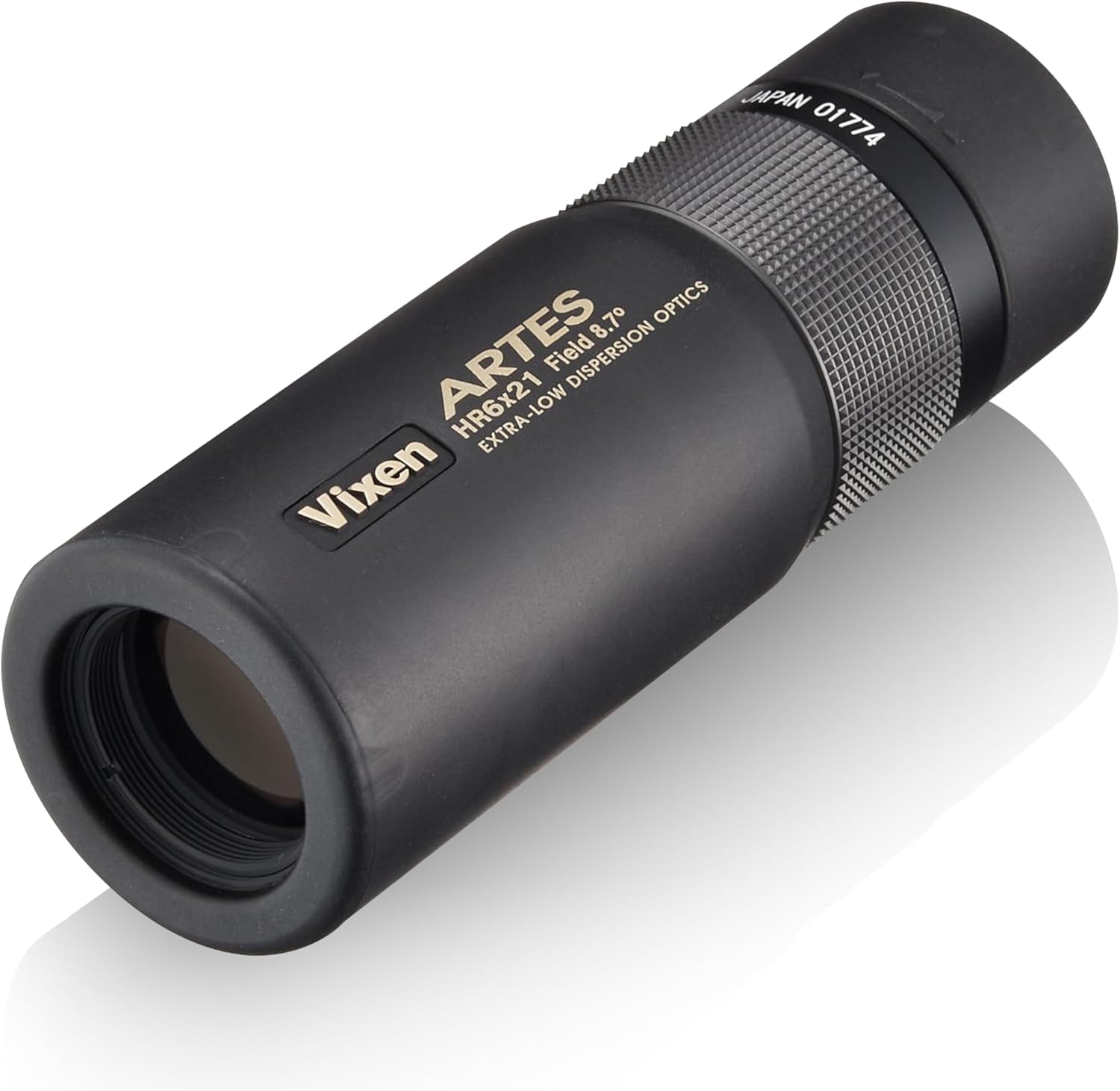
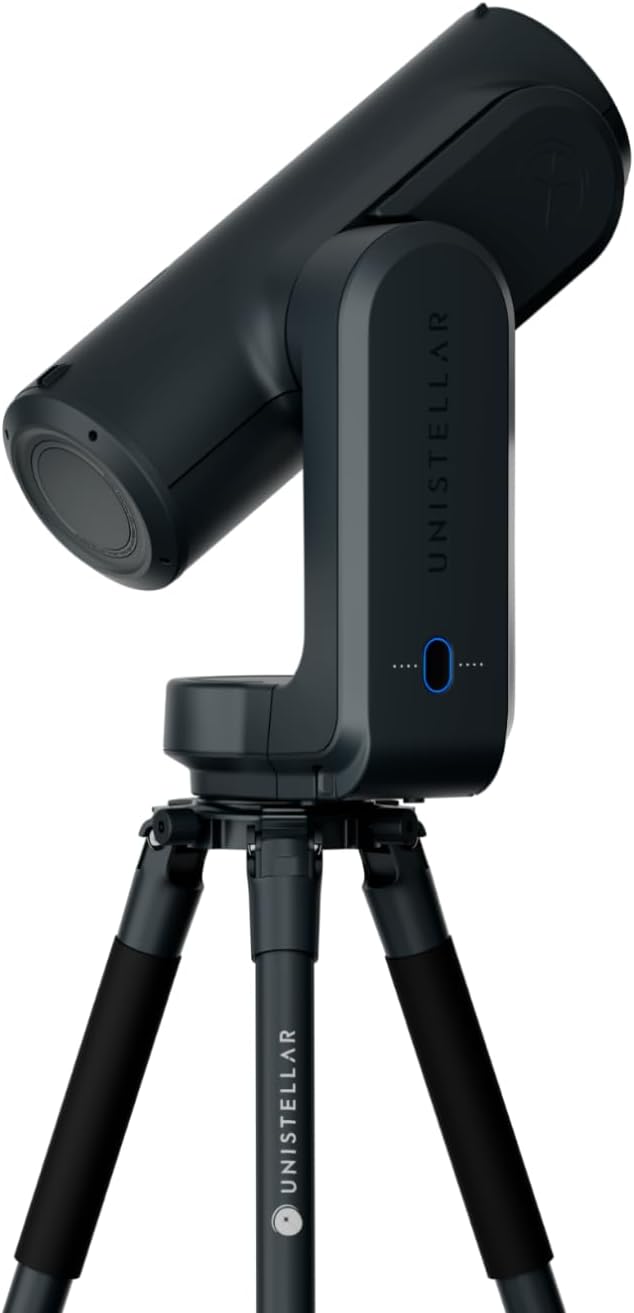
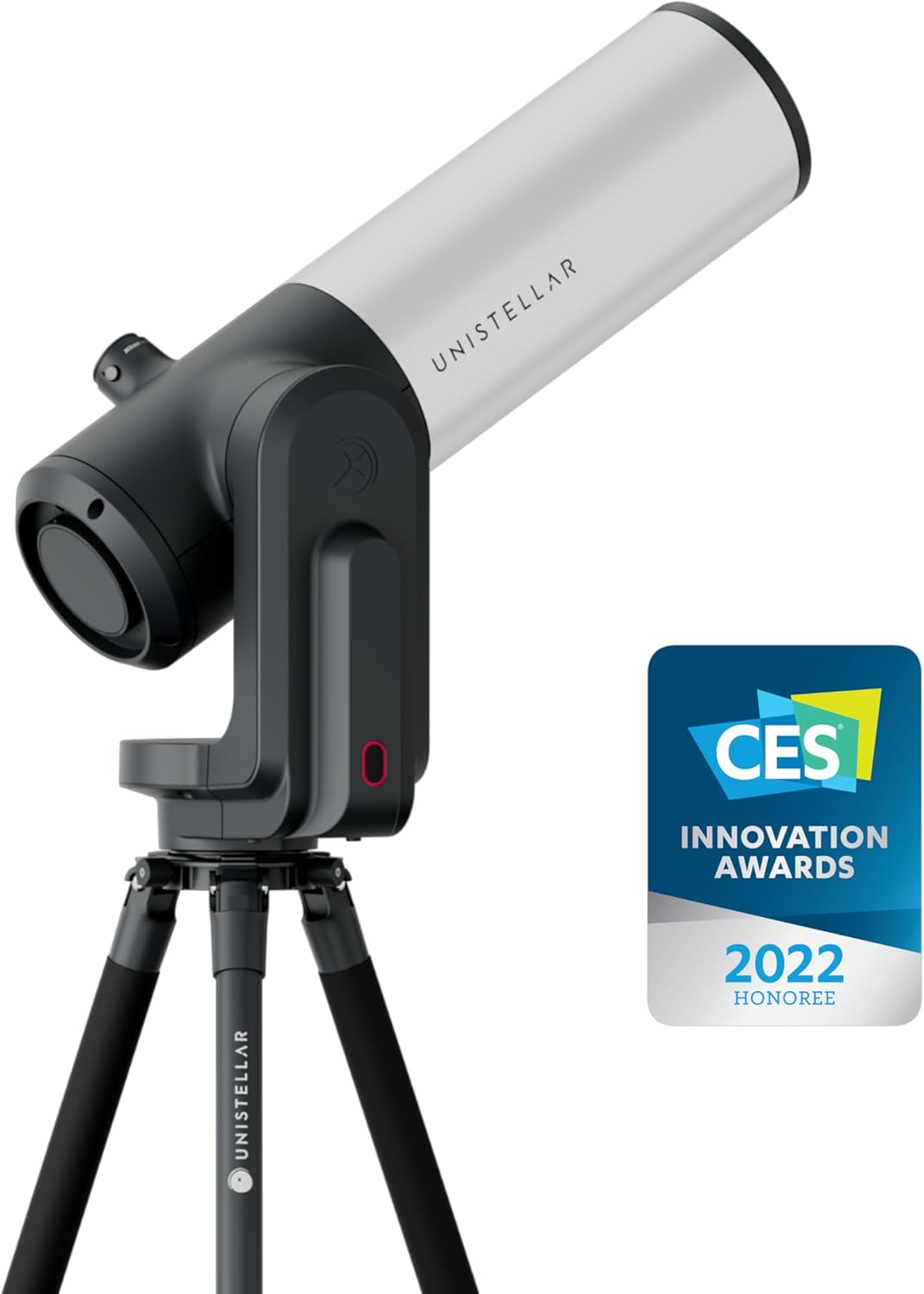
The Unistellar eQuinox 2 for cruise ship lecturers is the most practical onboard astronomy tool available in 2026 because it solves the three problems that kill traditional telescope demos at sea: ship motion, light pollution from deck lamps, and the need to share a single eyepiece view with 30 or more guests. Its electronic vision processing stacks short exposures in real time, its enclosed Newtonian optics tolerate salt spray better than open tubes, and its app-based output streams to phones, tablets, and lounge projectors so passengers see galaxies and nebulae instead of pleading for a turn at the eyepiece. For working enrichment lecturers, that turns a fragile after-dinner activity into a repeatable, weather-flexible program.
Why the eQuinox 2 fits shipboard lecturing better than a classical scope
Cruise ship astronomy talks live or die on three constraints. First, you have to set up and tear down on a rolling deck in under fifteen minutes between the captain's announcement and the next show. Second, the ship's safety lights are non-negotiable, so any optical system that depends on dark-adapted eyes is fighting a losing battle. Third, you usually have a crowd of 40 to 120 guests who paid for an experience, not a queue. The Unistellar eQuinox 2 for cruise ship lecturers addresses all three: it auto-aligns in roughly a minute using its Deep Dark Technology to subtract sky-glow, its enhanced vision stacks exposures so the Andromeda Galaxy is visible from a lit promenade deck, and its multi-user app mode lets up to ten devices connect simultaneously while the main feed runs to the lounge AV system.
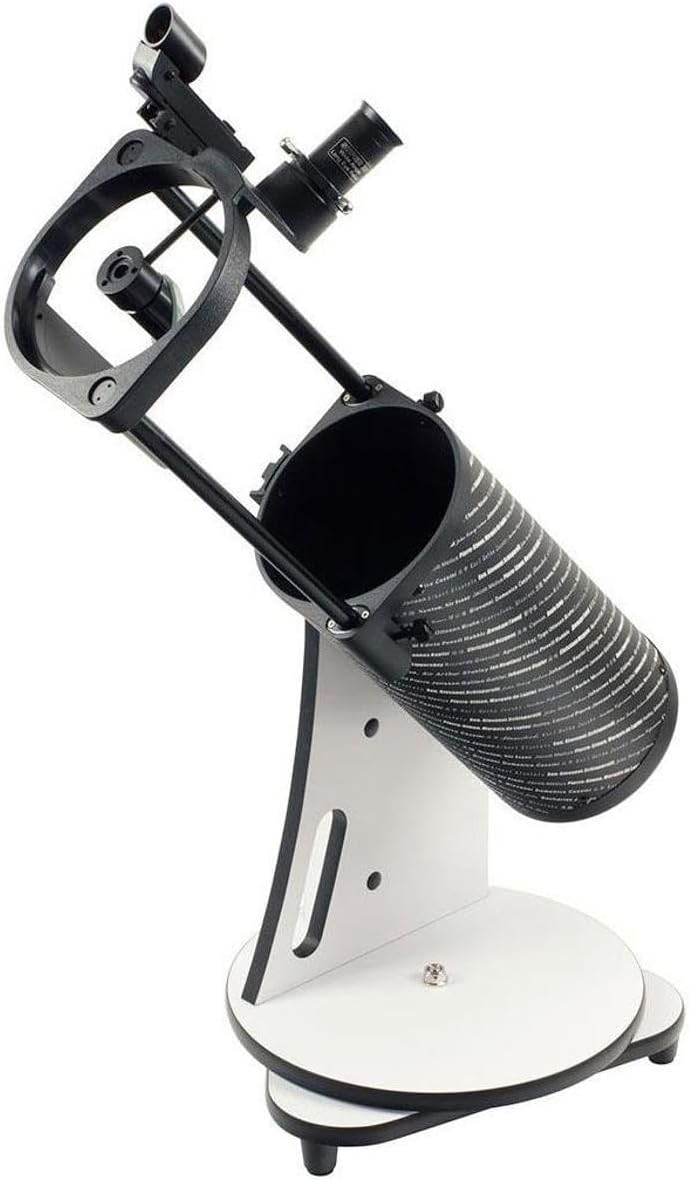
The 4.5-inch (114 mm) aperture and 450 mm focal length sit in a sealed tube on a motorized alt-azimuth mount that weighs about 9 kg complete. That matters because most cruise contracts cap lecturer luggage at 50 lb (23 kg), and the eQuinox 2 plus its tripod and a small accessory case comes in under that with room for clothing. Internal storage holds your targets list, so when the bridge gives you a heading change mid-talk, you don't lose the queue.
Setting up on a moving deck: a workflow that actually works
The procedure that veteran enrichment staff use in 2026 looks like this. Forty minutes before showtime, scout the highest open deck that is downwind of the funnel, ideally aft of the bridge wing where forward spray is minimized. Lock the tripod legs short (about 60% extension) for stability against vibration from the ship's screws. Power on, let the internal GPS lock, and run Autonomous Field Detection while you brief your guests on what to expect. By the time the welcome wraps, the mount is tracking. Queue Jupiter or Saturn first if either is up, then move to a bright Messier object such as M42 or M13. The processed image refines over 30 to 90 seconds, which is exactly the cadence a good lecturer needs to narrate context, mythology, and scale.
One workflow note specific to ships: the eQuinox 2's tracking compensates for sidereal motion, not vessel yaw. On a calm sea this is invisible. In rough weather you will see periodic re-stacks as the algorithm rejects motion-blurred frames. Brief guests that this is the scope working correctly, not a malfunction. If swell exceeds about 2 meters, switch your talk to lunar and planetary targets where short individual exposures are inherently more forgiving.
Backup and complementary scopes worth bringing aboard
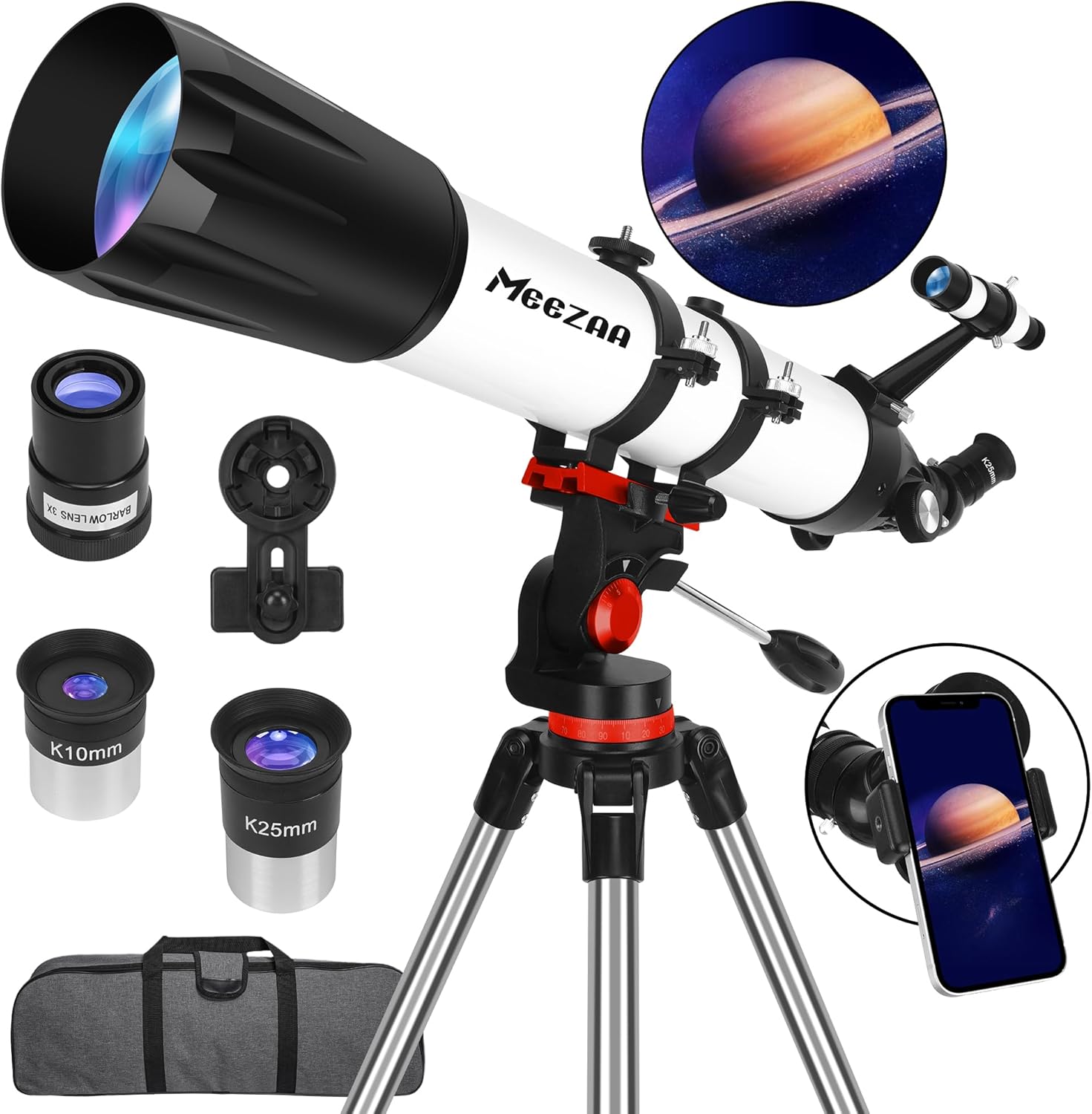
Smart cruise lecturers carry a backup. Smart scopes are computers, computers fail, and a no-show astronomy night refunds fast. The Celestron NexStar line is the most common backup choice in 2026 because parts and service are globally available in port cities, and the SkyAlign procedure works without GPS if the ship's electronic interference defeats your primary unit's locator.
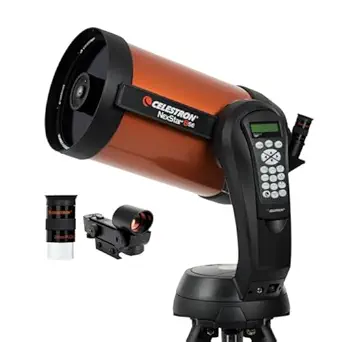
Celestron NexStar 6SE — the practical backup for smaller ships
The 6SE's 150 mm Schmidt-Cassegrain optical tube weighs about 21 lb with the mount, which is the upper limit of what one person can carry up a crew stairwell in a single trip. Its closed corrector plate handles sea air better than a Newtonian, and the 40,000-object database lets you pivot the talk if clouds force a target swap. For ships under 1,500 passengers where your audience tops out around 30 guests at a queue eyepiece, this is enough aperture for live Saturn rings and Jupiter banding. View the Celestron NexStar 6SE on Amazon.
Celestron NexStar 8SE — the choice for larger lounges and projector work
If your contract is with a premium line and you have a covered observation deck with a wired AV feed, the 8SE's 203 mm aperture gives the brightness margin you need to project a usable lunar image without dimming the room beyond what safety regulations allow. The fully automated GoTo and SkyAlign mean you can hand the controller to the cruise director for a moment while you narrate. View the Celestron NexStar 8SE on Amazon.
Celestron NexStar 8SE with NexYZ DX smartphone adapter kit
The 8SE bundled with the NexYZ DX three-axis smartphone adapter and AC adapter is the version to specify if you intend to do any phone-through-eyepiece work for ship social media or guest photos. The three-axis alignment is rigid enough that a guest can take a phone shot of the Moon without re-centering, which keeps your queue moving. The AC adapter is critical because deck power is rarely positioned where you want the scope. View the NexStar 8SE with NexYZ DX kit on Amazon.
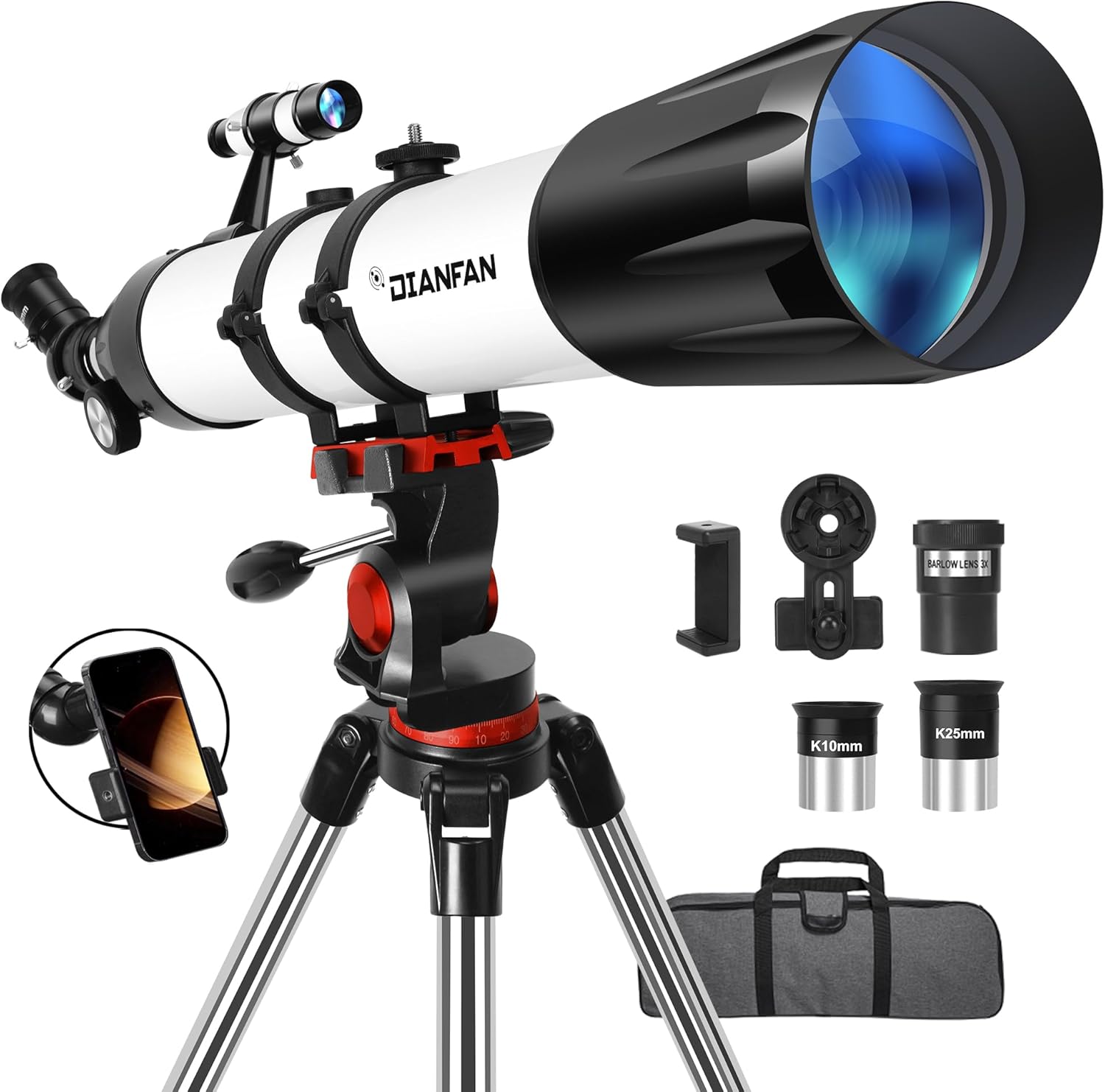
Celestron NexStar 8SE with eyepiece and filter kit
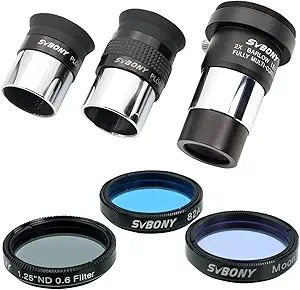
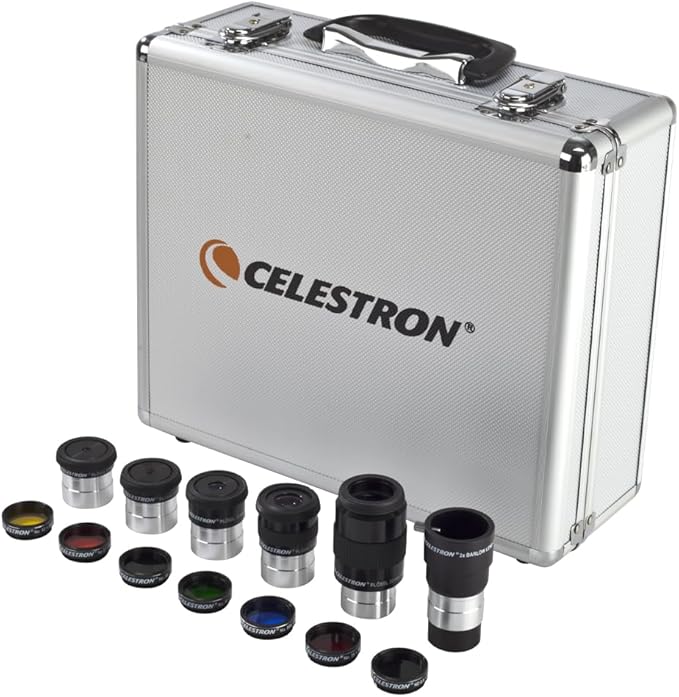
For lecturers who want lunar filters, color planetary filters, and an expanded eyepiece selection out of the box, the 8SE eyepiece-and-filter-kit bundle saves you sourcing accessories at port. A moon filter is mandatory at sea because the Moon's brightness on a clear tropical night will overwhelm dark-adapted guests and ruin the rest of your evening's program. View the NexStar 8SE with eyepiece and filter kit on Amazon.
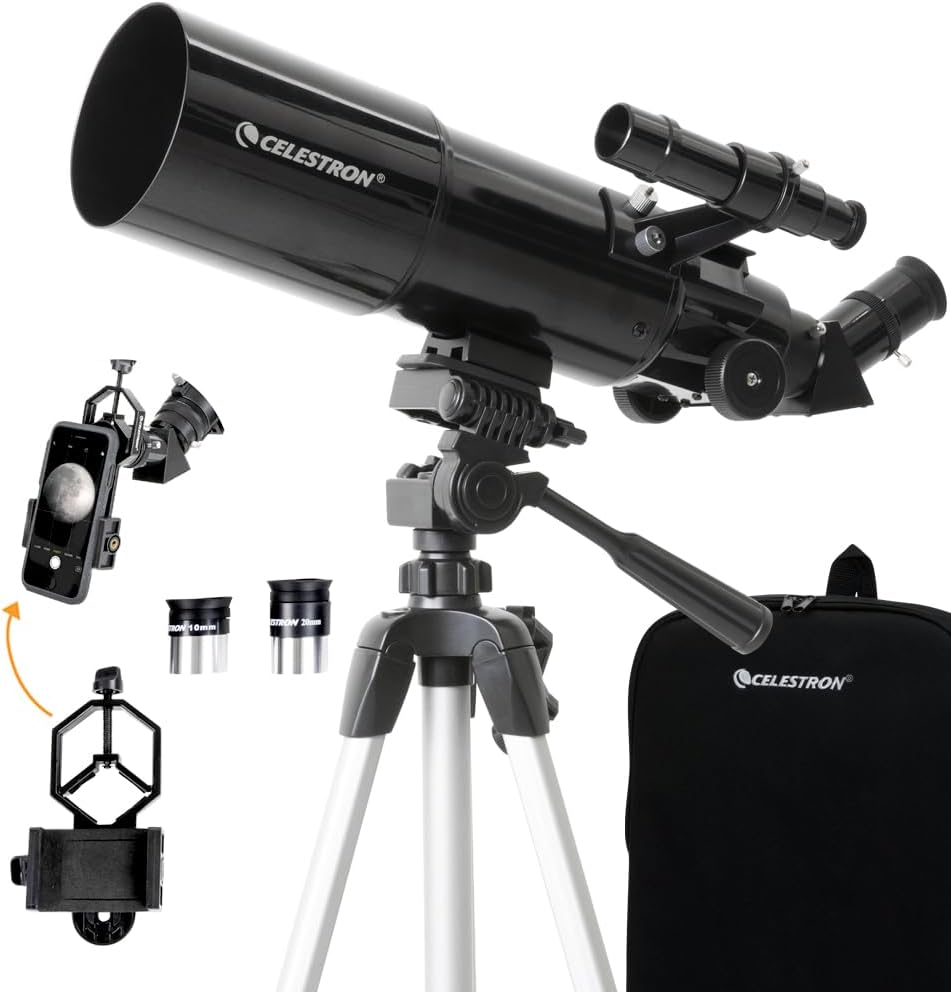
Comparison: smart scope vs. traditional GoTo for cruise enrichment
| Feature | Unistellar eQuinox 2 | Celestron NexStar 8SE | Celestron NexStar 6SE |
|---|---|---|---|
| Aperture | 114 mm | 203 mm | 150 mm |
| Total travel weight | ~9 kg | ~13 kg | ~10 kg |
| Setup time on deck | 1–2 min | 8–12 min | 6–10 min |
| Works under deck lighting | Yes (stacked imaging) | Limited | Limited |
| Multi-user viewing | App + projector feed | Eyepiece queue | Eyepiece queue |
| Audience capacity | 40–120+ | 15–25 | 10–20 |
| Backup serviceability in port | Limited | Excellent | Excellent |
Programming the talk: what to show and when
A 45-minute deck session at sea typically follows a three-act structure. Open with the Moon if it is up, because every guest can see it instantly and the surface detail buys you credibility. Move to a planet — Saturn is the strongest closer if it is above 20 degrees altitude. Finish with a deep-sky object that benefits from the eQuinox 2's enhanced vision: the Orion Nebula in northern winter latitudes, the Lagoon Nebula on Caribbean transits, the Tarantula Nebula on Southern Hemisphere repositioning cruises. The Unistellar eQuinox 2 for cruise ship lecturers earns its keep on that last act because traditional scopes cannot deliver visible nebulosity from a lit ship deck, and that is the moment guests post to social media and book your next sailing.
Power, AV integration, and the things ships' engineers care about
The eQuinox 2 runs on internal lithium for about 11 hours, which covers two consecutive nights of talks without a recharge. Charge it during sea-day afternoons in your cabin on a standard outlet. For AV integration, the app outputs to AirPlay or Chromecast through the ship Wi-Fi, but onboard networks are often segmented, so request a direct HDMI run from your scope's tablet to the lounge projector during your pre-cruise meeting with the AV team. Always carry a Lightning-to-HDMI and USB-C-to-HDMI adapter — port shops will not have them at 9 PM on embarkation day.
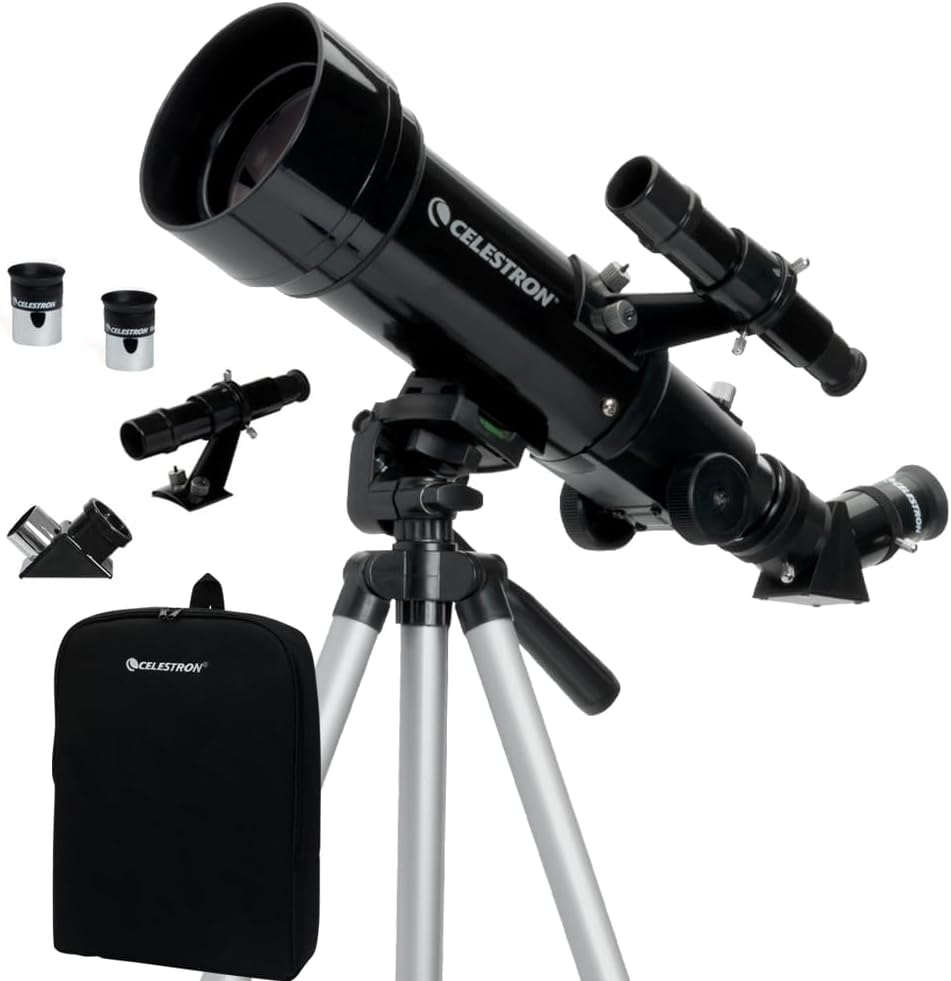
For more on choosing optics that survive the marine environment, see our guides on smart telescopes for humid climates, the best telescopes for public outreach events, and portable GoTo mounts for traveling astronomers.
Frequently Asked Questions
Does the Unistellar eQuinox 2 track accurately on a moving cruise ship?
Yes, with caveats. The mount tracks sidereal motion correctly, and the internal stacking algorithm rejects frames blurred by ship motion. On calm seas the result is indistinguishable from land use. In swells above roughly 2 meters, stacking efficiency drops and you should switch to lunar or planetary targets where individual short exposures still produce sharp images.
What aperture is best for cruise ship astronomy lectures in 2026?
For smart scopes used by enrichment lecturers, the 114 mm aperture of the eQuinox 2 is the sweet spot because the electronic vision system extracts detail equivalent to a much larger classical scope. If you choose a traditional GoTo scope as a backup, a 6-inch (150 mm) Schmidt-Cassegrain balances portability and light grasp for shipboard work.
How do I show a smart scope view to a large lounge audience?
Connect the controlling tablet to the ship's lounge projector by wired HDMI through a USB-C or Lightning adapter. Wireless casting through ship Wi-Fi is unreliable because cruise networks are heavily segmented for security. Confirm cable runs with the AV team before your first talk and carry your own adapters.
Will salt air damage a telescope used regularly at sea?
Sealed optical tubes — including the eQuinox 2's enclosed Newtonian and Schmidt-Cassegrain designs like the NexStar series — resist salt-air damage far better than open-tube refractors or Dobsonians. Wipe down the tube and tripod with a freshwater microfiber cloth after every session and store the scope in a dry interior cabin, not on your balcony.
Can I run an astronomy talk if the ship has a strict no-laser-pointer policy?
Yes. Many cruise lines prohibit green laser pointers because of aviation regulations near coastal airports. The eQuinox 2's app shows constellations and target labels on guest devices, so you can indicate objects without a laser. A red-LED astronomy pointer is usually acceptable as a backup for talking about constellation shapes overhead.
Do I need a contract clause specifically for outdoor scope use on deck?
Yes. Cruise lines treat any deck activity outside posted hours as a special event requiring written approval. Your contract should specify access to a designated upper deck, permission to dim or shield safety lights within a 3-meter radius, AV team support, and insurance coverage for your equipment in transit and onboard.
Is a Celestron NexStar a viable primary scope for cruise lectures, or only a backup?
The NexStar 8SE can serve as a primary scope on smaller ships with audiences under 25 guests where eyepiece queuing is practical and the lounge AV setup supports smartphone-through-eyepiece projection via the NexYZ DX adapter. For larger ships and projector-based lounge talks, lead with a smart scope and keep the NexStar as backup.
Key Takeaways
- Choosing the right Unistellar eQuinox 2 for cruise ship lecturers means matching capacity and output ports to your actual devices
- Always check actual watt-hours (Wh), not just watts — runtime depends on Wh, not peak output
- Also covers: eQuinox 2 cruise enrichment program
- Also covers: cruise ship astronomy presenter
- Also covers: Unistellar eQuinox 2 deck observing
- Compare price-per-Wh across models to find the best value for your budget