The Sky-Watcher Esprit 100ED for storm chasers is the rare apochromatic refractor that earns its place in a chase vehicle. For tornado alley imagers who split nights between mesocyclone time-lapses and Milky Way panoramas above storm-scoured plains, the Esprit 100ED's triplet ED optics, fast f/5.5 focal ratio, and bundled field flattener produce edge-to-edge sharp stars across full-frame sensors without the cool-down and collimation babysitting a Schmidt-Cassegrain demands. Pair it with a portable equatorial mount and you can deploy from a Kansas roadside in under fifteen minutes, capture lightning-lit supercell stills with a DSLR, then swing to deep-sky targets once the anvil clears. This 2026 buyer guide breaks down why the Esprit 100ED suits storm chasers, the tradeoffs versus catadioptric alternatives, and the support gear that survives 80 mph gusts.
Why the Esprit 100ED fits the storm chaser imager workflow
Storm chasing in Oklahoma, Texas, Kansas, and Nebraska imposes a brutal equipment selection filter. Your rig lives in a vehicle that bakes at 110 degrees by afternoon, gets soaked in driving rain at 6 PM, and needs to image a star field by 11 PM after the squall line passes. That cycle eats most telescopes alive. The Sky-Watcher Esprit 100ED for storm chasers solves three specific pain points: it has no corrector plate to dew up after a humid Plains evening, the sealed triplet objective resists pollen and dust intrusion during chase season, and the 4-inch aperture hits the sweet spot between light grasp and transport weight (roughly 14 lbs OTA, manageable on a Sky-Watcher EQ6-R or iOptron CEM40).
The 550mm native focal length is the killer feature for chasers. It frames an entire mature supercell against a star field, captures wide nebula targets like the North America Nebula in a single shot, and works beautifully with the Sony a7 IV or Canon R6 II most chasers already carry for storm photography. You skip the mosaic stitching that an SCT forces on the same targets.
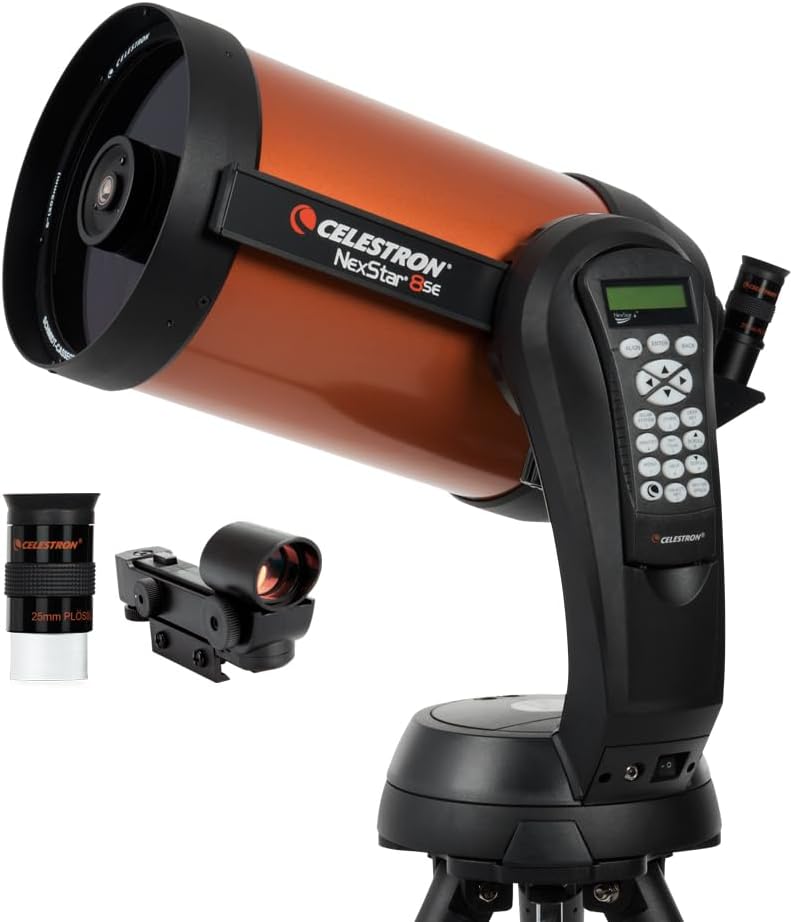
Esprit 100ED versus Schmidt-Cassegrain alternatives for chase imagers
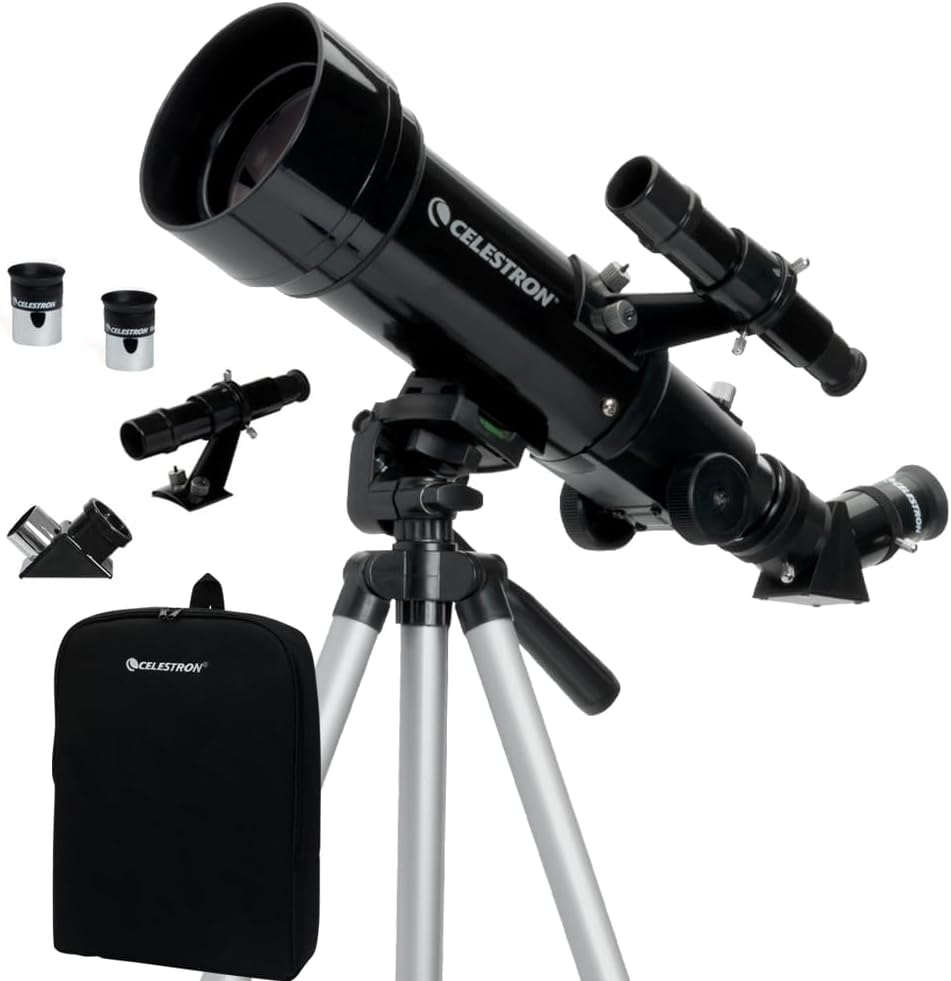
Not every chaser needs a fast apo. If your imaging interest leans toward planetary detail on calm post-frontal nights or you want a single grab-and-go visual scope for the kids during downtime in the motel parking lot, a computerized SCT like the NexStar series offers a different value proposition. The table below compares the Esprit 100ED with the Celestron alternatives most often cross-shopped by storm chaser imagers in 2026.
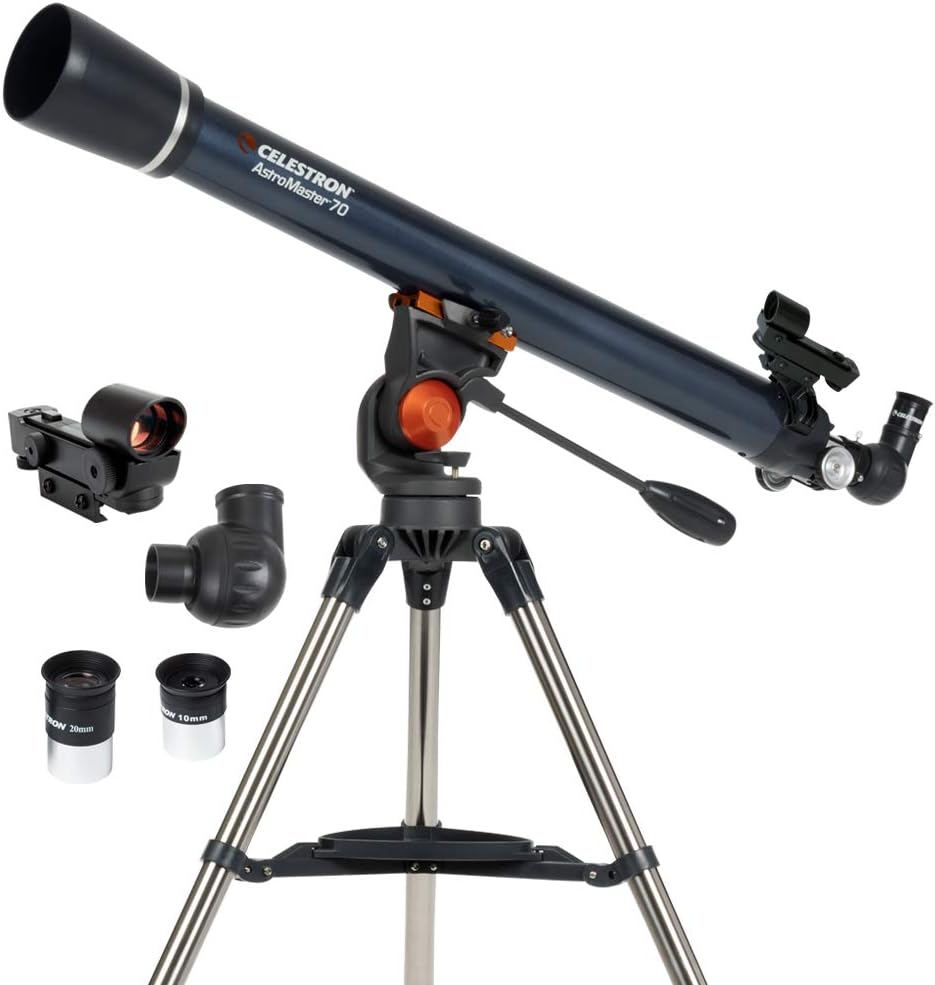
| Scope | Aperture | Focal Ratio | Best Use For Chasers | Weight |
|---|---|---|---|---|
| Sky-Watcher Esprit 100ED | 100mm | f/5.5 | Wide-field astrophotography, storm sky panoramas | ~14 lbs OTA |
| Celestron NexStar 8SE | 203mm | f/10 | Visual, lunar/planetary, GoTo convenience | ~24 lbs (with mount) |
| Celestron NexStar 6SE | 150mm | f/10 | Lightweight visual GoTo for chase truck | ~21 lbs (with mount) |
The decision usually comes down to whether you are buying an imaging instrument or a visual instrument. The Esprit dominates anything involving a camera sensor. The NexStar dominates anything involving an eyepiece and a target list.
Celestron alternatives worth considering for the chase vehicle
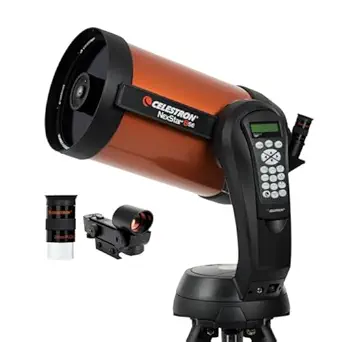
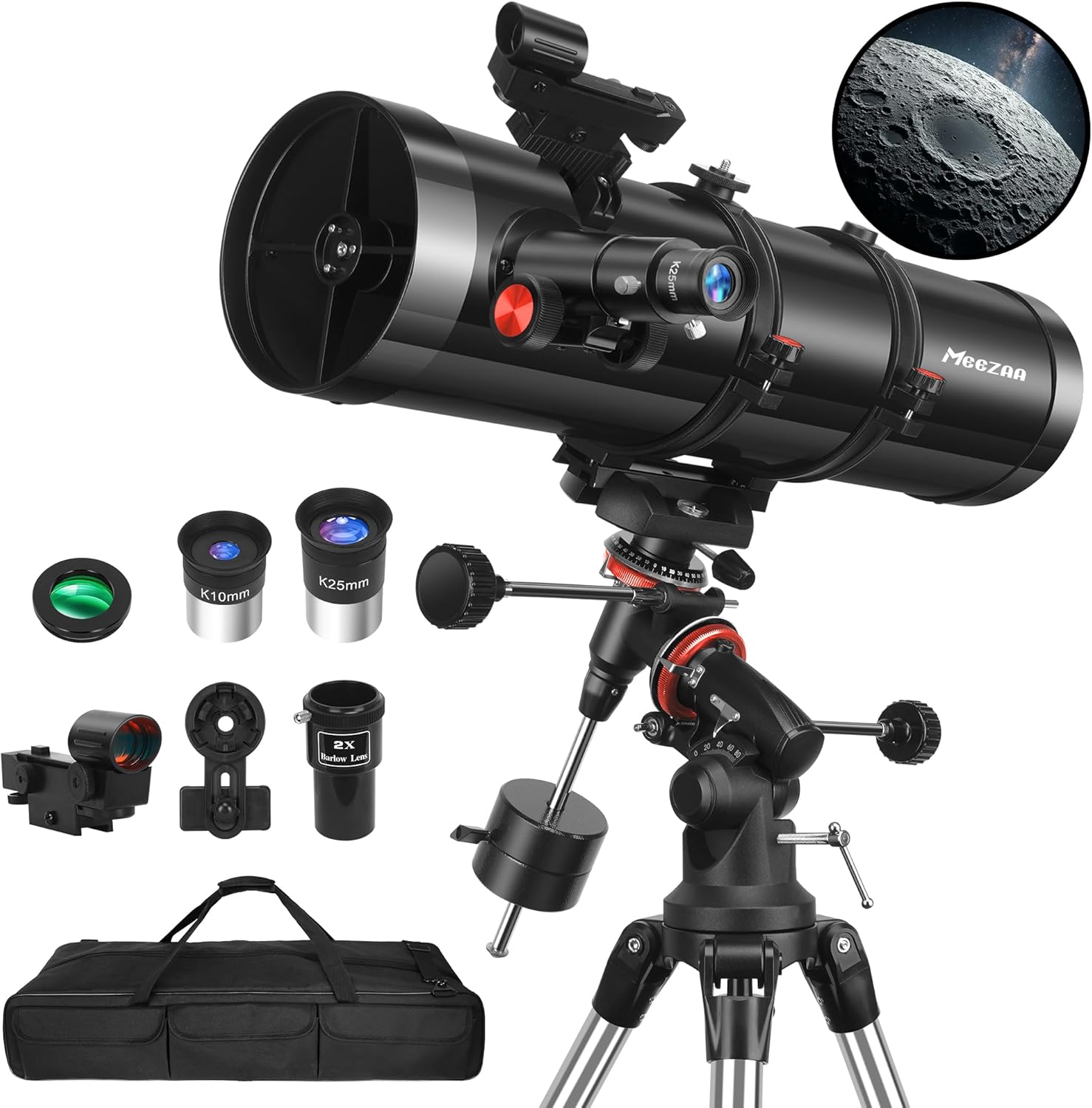
Celestron NexStar 8SE Computerized Telescope
If you want a single GoTo telescope that handles visual work during clear-sky downtime between chase days, the NexStar 8SE is the obvious pairing alongside an Esprit-class imaging rig. The 8-inch aperture pulls in enough light for galaxy hunting from rural Texas Panhandle dark sites, the SkyAlign procedure gets you on target in three pointed stars even if you cannot identify them, and the 40,000+ object database is more than any chaser will exhaust in a season. The fork mount is altitude-azimuth, so it is not an astrophotography platform out of the box, but it excels at the visual role the Esprit cannot fill.
Check the Celestron NexStar 8SE on Amazon
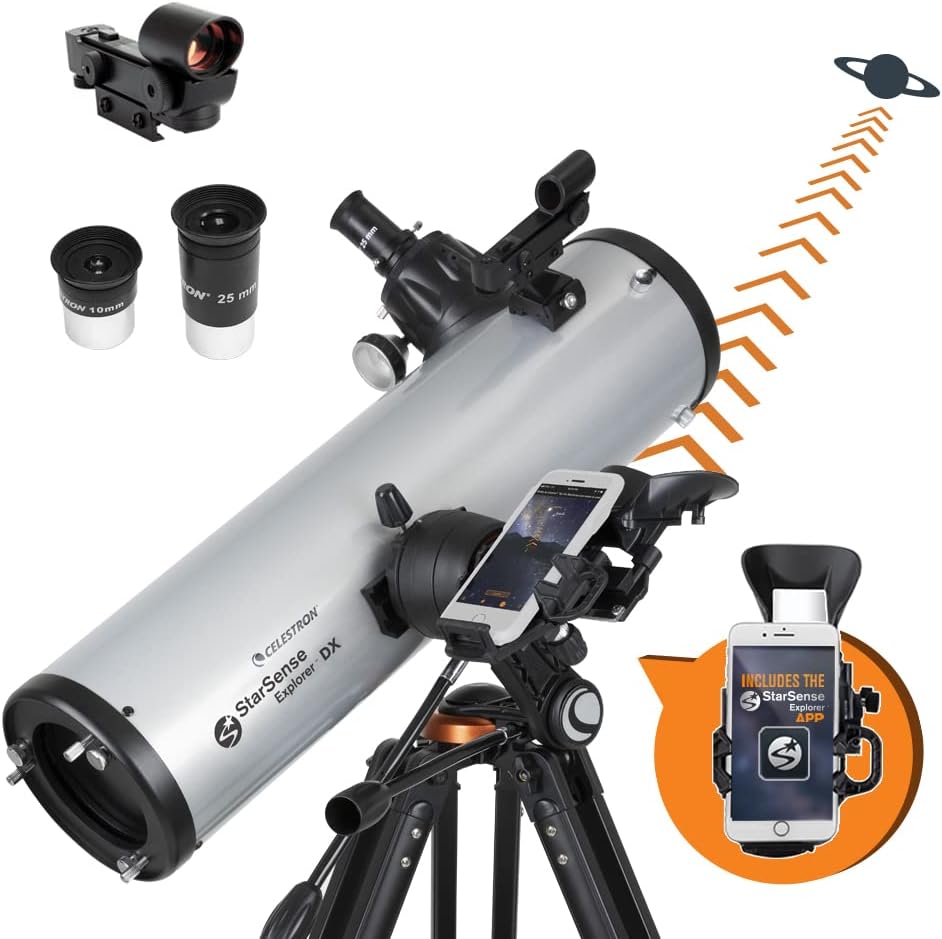
Celestron NexStar 8SE with NexYZ DX Smartphone Adapter Kit
For chasers who want to share Jupiter and Saturn images on storm-chasing forums and social channels during quiet chase weeks, the NexStar 8SE bundled with the NexYZ DX 3-axis smartphone adapter and AC power adapter is a one-purchase solution. The smartphone adapter clamps to any 1.25-inch eyepiece and aligns your phone camera to the optical axis with precise XYZ adjustments, while the AC adapter eliminates the eight AA batteries the mount otherwise drains in a single session. Useful if your chase vehicle has an inverter.
Check the NexStar 8SE + NexYZ Kit on Amazon
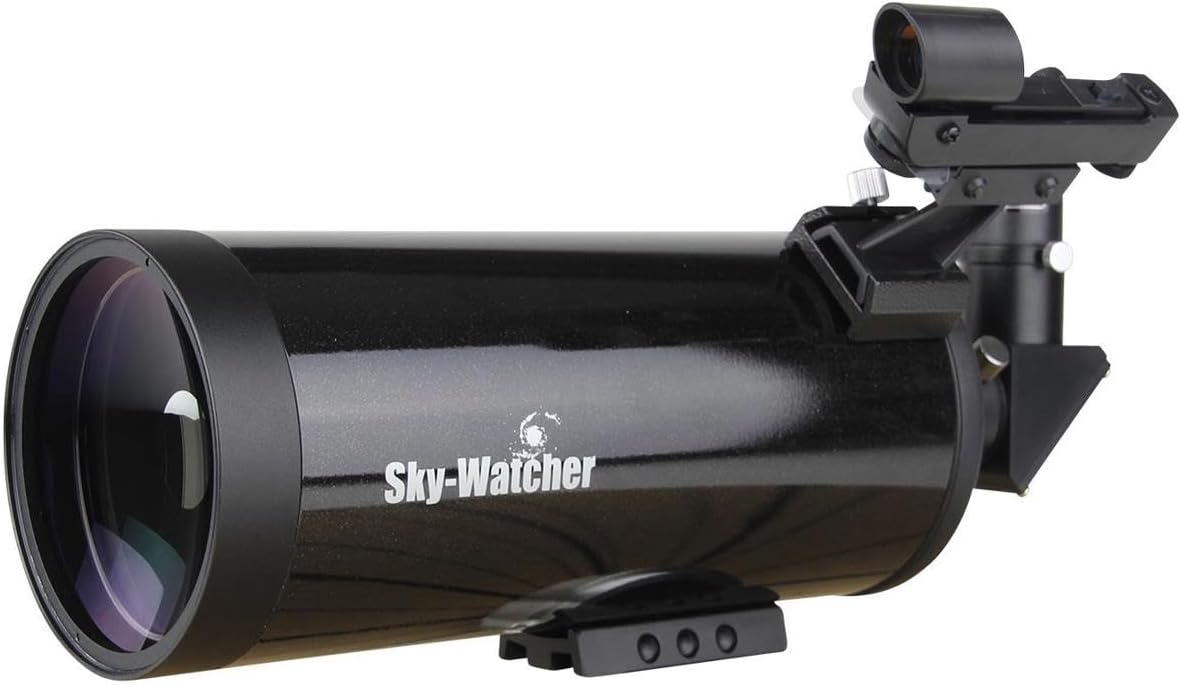
Celestron NexStar 6SE Computerized Telescope
For chasers running a smaller SUV or hatchback where every cubic foot matters, the NexStar 6SE shaves weight and footprint without giving up the GoTo database or SkyAlign convenience. The 150mm aperture still pulls Saturn's rings and the Orion Nebula's core out of bortle 3 skies, and the lighter OTA means you can store it in the same Pelican-style case as your storm photography lenses. A logical companion telescope when the Esprit 100ED is doing the imaging duty.
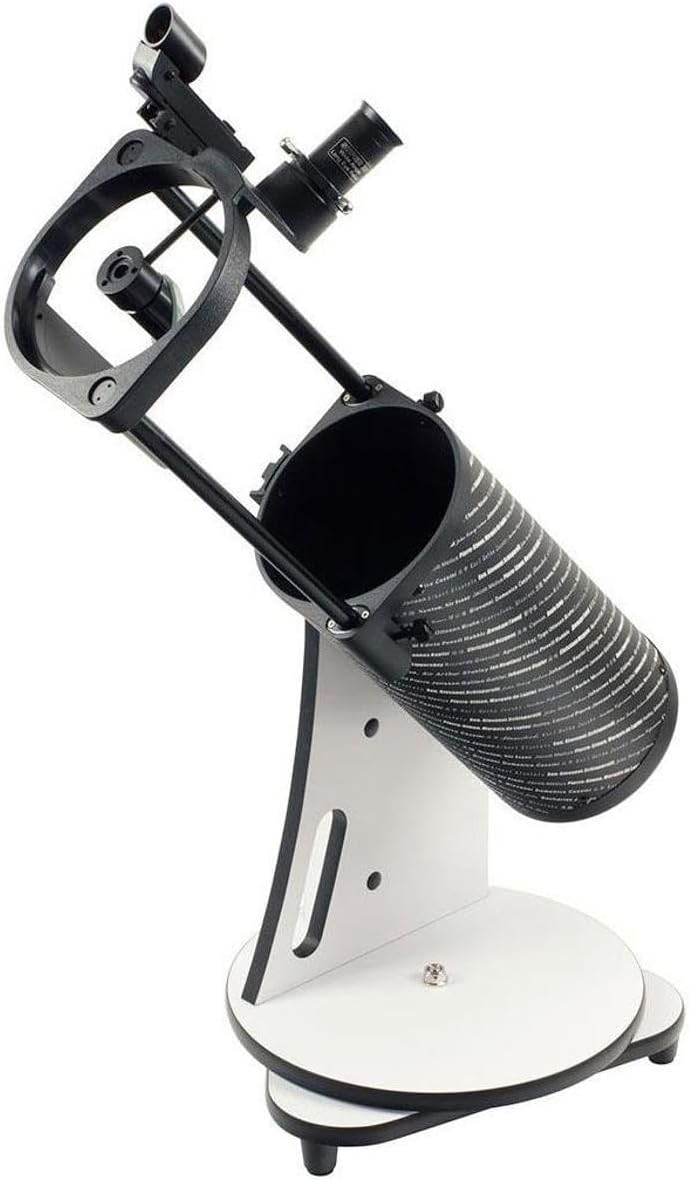
Check the Celestron NexStar 6SE on Amazon
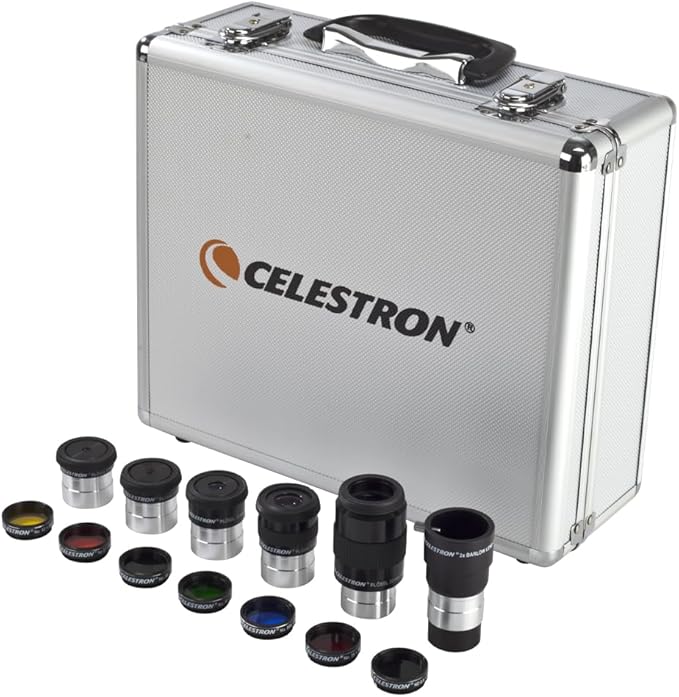
Celestron NexStar 8SE with Eyepiece and Filter Kit
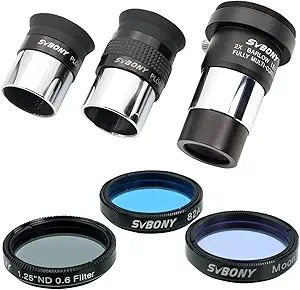
If you are buying a visual companion scope and do not want to spend another six months curating an eyepiece collection, the NexStar 8SE bundled with the 1.25-inch eyepiece and filter kit gives you a working set on day one. The filter kit includes color planetary filters and a moon filter, both of which earn their keep when chase season ends and you transition to summer planetary apparitions. This bundle saves roughly 100 dollars versus piecing the accessories together.
Check the NexStar 8SE Eyepiece and Filter Kit on Amazon
Mounting and accessories for chase vehicle deployment
The Esprit 100ED is only as good as the mount under it. For chase-truck deployment, the realistic options in 2026 are the Sky-Watcher EQ6-R Pro (45-lb capacity, around 38 lbs of mount and counterweights), the iOptron CEM40, or the ZWO AM5 strain-wave harmonic mount. The AM5 has become the chaser favorite because it skips counterweights entirely, weighs 11 lbs, and slews fast enough to recompose between storm-cell time-lapses and astro targets without a meridian flip on most sessions.
Other chase-specific gear: a 30 Ah LiFePO4 portable power bank handles a full mount, dew heater, cooled camera, and laptop for two consecutive nights. A heavy-duty tripod spreader with sandbag hooks survives Plains wind better than a stock tripod. And a Telrad or Rigel Quikfinder beats any optical finder when you are setting up under fast-moving cloud edges.
For more on portable mount selection, see our guide to best portable mounts for travel astrophotography in 2026 and the companion piece on harmonic strain-wave mounts versus traditional equatorials.
Real-world chase imaging workflow with the Esprit 100ED
A typical chase day with the Esprit looks like this. You leave Norman, Oklahoma at 10 AM with the scope cased in the rear of the vehicle. You position for the target storm by 4 PM, shoot supercell stills and time-lapses with your wide-angle DSLR setup on a separate tripod, and let the storm clear east by 9 PM. By 10 PM you are at a dark-sky pull-off in the Oklahoma Panhandle. You deploy the Esprit on an AM5 mount in twelve minutes, plate-solve to a target like the Heart Nebula using ASIAIR Plus, and run a five-hour imaging session before driving back at dawn.
The Esprit's fast f/5.5 ratio is what makes that compressed five-hour window productive. At f/10 with an SCT, you would need twelve hours of integration on the same target to match signal. Storm chasers do not have twelve hours. They have one clear window between systems.
Frequently Asked Questions
Is the Sky-Watcher Esprit 100ED good for full-frame DSLR astrophotography in 2026?
Yes. The Esprit 100ED ships with a dedicated three-element field flattener that produces sharp, round stars across the entire full-frame imaging circle. With the flattener installed, you can use a Sony a7-series, Canon R5/R6, or Nikon Z body without coma or field curvature in the corners. The 550mm focal length perfectly frames wide nebulae for full-frame sensors.
How does the Esprit 100ED hold up to humidity on Gulf Coast and Plains storm chases?
The triplet objective is sealed at the front, so the airspaces between elements do not collect moisture the way a Schmidt-Cassegrain corrector plate dews up. You will still want a dew heater band on the dew shield in 90 percent humidity Plains nights, but the Esprit survives chase-season humidity better than any catadioptric design.
Can I use the Esprit 100ED for lightning photography during active storms?
The Esprit is not the right tool for storm-cell lightning capture. Its 550mm focal length is too narrow to frame a typical supercell at chase distances of 5 to 10 miles. Use a wide-angle 14mm to 35mm DSLR setup on a separate tripod for lightning, and reserve the Esprit for the deep-sky session after the storm clears.
Is a NexStar 8SE better than the Esprit 100ED for beginners getting into astrophotography?
No. The NexStar 8SE on its stock alt-az fork mount cannot do tracked long-exposure imaging without an equatorial wedge, and even with a wedge the f/10 ratio demands very long integration. The Esprit on an EQ6-R or AM5 is dramatically more capable for imaging. The 8SE is the better visual instrument, not the better imaging instrument.
What is the minimum mount capacity I need for the Esprit 100ED with a guide scope and camera?
Plan for 25 lbs of imaging payload when you add the OTA, field flattener, full-frame camera, guide scope, guide camera, and cables. For traditional equatorial mounts the rule of thumb is 50 percent of rated capacity for imaging, so you want a 50-lb rated mount like the EQ6-R Pro. Strain-wave mounts like the AM5 (28 lb imaging capacity) handle the same payload at a lower rated number because they have no counterweight-induced backlash.
Can the Esprit 100ED capture solar imagery for daytime storm-chase downtime?
With a proper full-aperture white-light solar filter, yes. The Esprit produces clean, high-contrast sunspot images and works well for white-light solar photography during the long afternoon hours waiting for storm initiation. Never use the scope on the sun without a certified front-aperture filter; eyepiece solar filters are unsafe at any aperture.
How does the Esprit 100ED compare to a Takahashi FSQ-106 for chase use?
The Takahashi FSQ-106 is the gold standard and roughly three times the price. The Esprit 100ED delivers about 90 percent of the optical performance for the chase imager who is going to expose the scope to dust, vibration, and temperature swings that would make a Takahashi owner nervous. For a tornado alley chase vehicle, the Esprit is the rational choice.
Bottom line for tornado alley imagers
The Sky-Watcher Esprit 100ED is the most defensible single imaging telescope a storm chaser can buy in 2026. It mounts on a portable harmonic mount, deploys in under fifteen minutes, survives Plains humidity better than a Schmidt-Cassegrain, and produces full-frame-flat images at a fast f/5.5 ratio that fits the compressed imaging windows between storm systems. Pair it with a Celestron NexStar 6SE or 8SE if you want a separate visual instrument for clear nights between chases, and you have a complete chase-vehicle astronomy kit. See also our roundup of best telescopes for astrophotography beginners in 2026 for context on where the Esprit sits in the broader market.
Key Takeaways
- Choosing the right Sky-Watcher Esprit 100ED for storm chasers means matching capacity and output ports to your actual devices
- Always check actual watt-hours (Wh), not just watts — runtime depends on Wh, not peak output
- Also covers: Esprit 100ED tornado alley setup
- Also covers: storm chaser astrophotography rig
- Also covers: Esprit 100ED quick teardown
- Compare price-per-Wh across models to find the best value for your budget