If you own a mountain cabin at 9000 feet and want to image deep-sky targets without driving to a dark site, the Askar 120APO is one of the most balanced refractors you can park on a permanent or semi-permanent pier in 2026. Askar 120APO high altitude imaging takes full advantage of thinner atmosphere, lower water vapor, and steadier polar-region jet patterns common above the 8000-foot line. The 120mm triplet apochromat delivers tight color correction at f/7.2, native 864mm focal length, and roughly 23 lbs of payload — light enough for a midrange equatorial mount, sharp enough to keep up with the seeing your altitude already gives you.
Why 9000 feet rewrites the rules for refractor imaging
At 9000 feet, you have already eliminated roughly 30% of the atmospheric column that lowland imagers fight every clear night. Transparency improves by nearly a full magnitude, narrowband contrast climbs, and the SNR on faint Ha targets like the Heart Nebula or Sh2-240 rises measurably even before you stretch a stack. But thinner air also means colder nights, faster dew cycles when humidity does spike, and far more violent thermal swings between sunset and 2 a.m. A telescope that handles those conditions gracefully — without focuser slop, without pinched optics, without spike-shaped stars from a cooling objective — earns its place at the cabin.
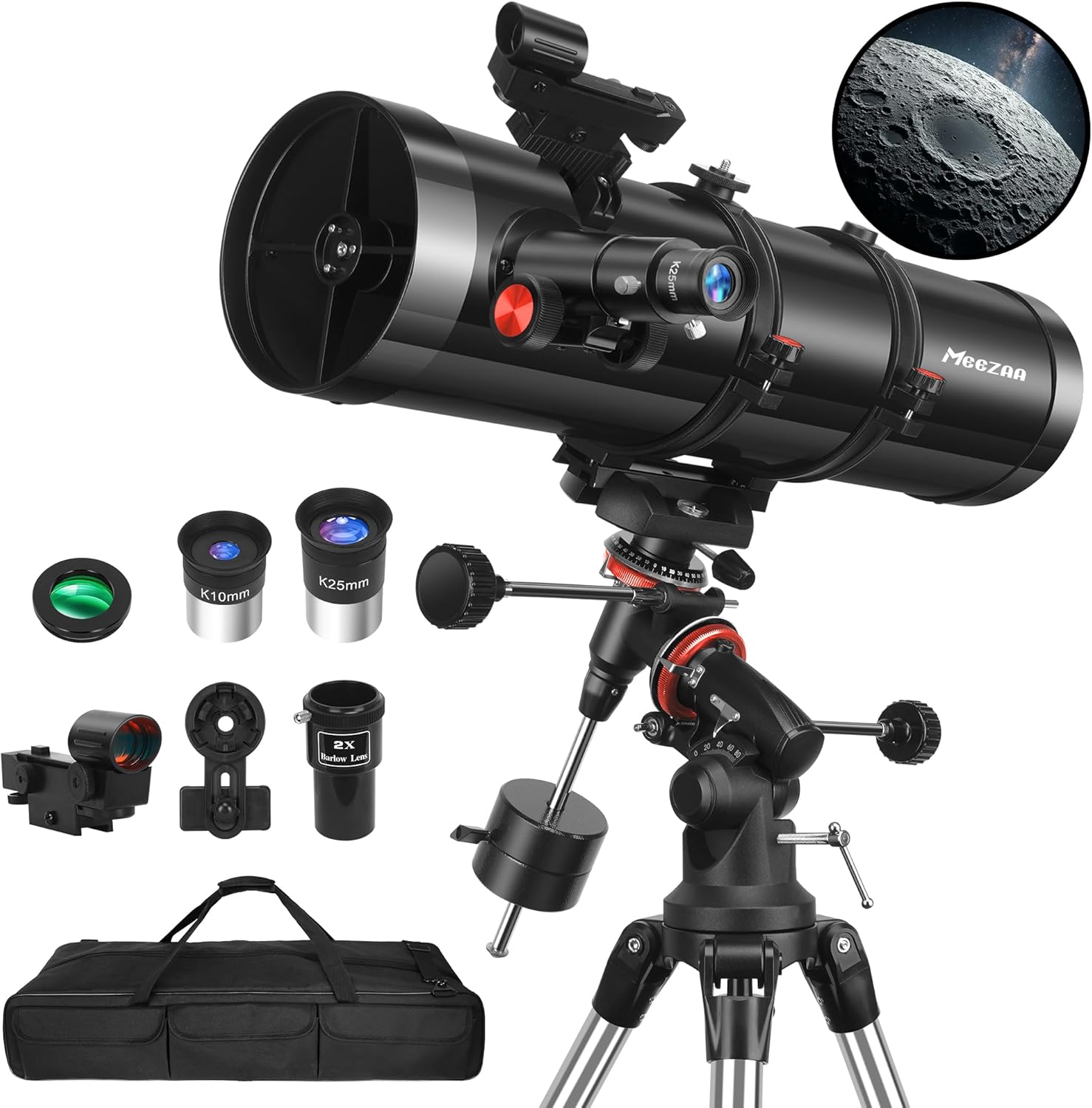
The Askar 120APO was engineered with FPL-55 glass paired with two mating elements in an air-spaced triplet, internally baffled, and sealed against the dust intrusion that high-altitude wind loves to deliver. Its rotatable 3.4-inch focuser holds heavy DSLR and cooled CMOS payloads without sag, which matters a lot when you are framing a 12-panel mosaic over three cold weeks.
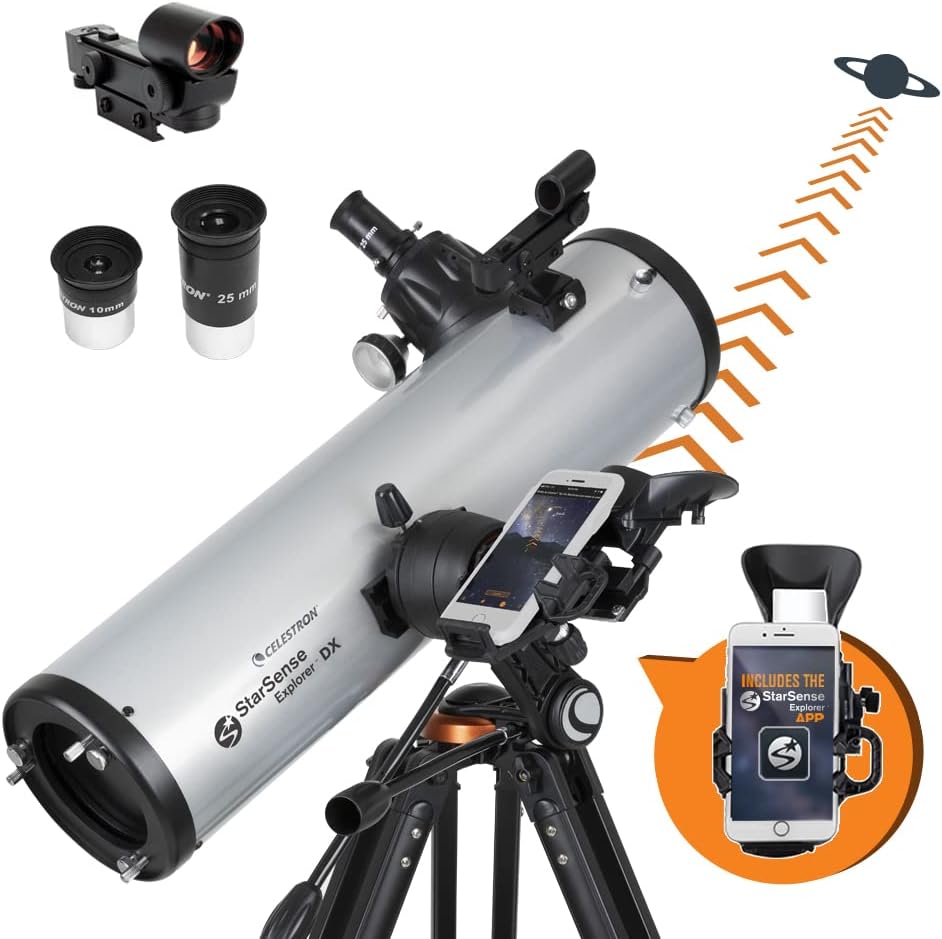
The Askar 120APO at altitude: what it does well
Three factors make this scope a strong fit for a permanently sited cabin rig:
Cold-stable focus. The triplet cell is mounted with thermal-compensating spacers and the rack-and-pinion focuser uses a stainless drive rail. After a cabin-owner cooldown of 45 minutes from 60°F interior to 20°F outdoor air, expect a single autofocus refresh per filter to hold all night.
Reducer and flattener compatibility. Askar's matched 1.0x flattener and 0.8x reducer (the latter delivering f/5.8 at 691mm) make this scope flexible across both small-galaxy season and wide nebula season. At 9000 feet, the 0.8x reducer turns the 120APO into a serious one-shot color performer for IFN and faint reflection targets that simply cannot be pulled out of a brighter sky.
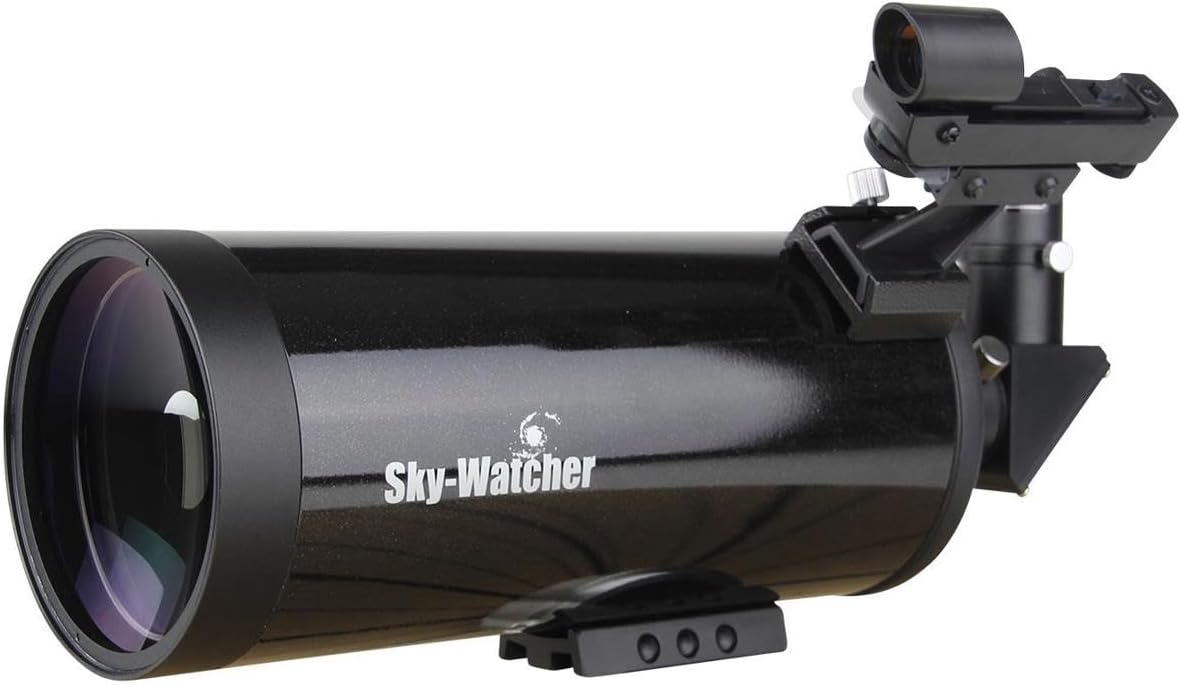
Manageable weight. Roughly 23 lbs with rings and dovetail puts the OTA squarely within the comfort zone of mounts like the ZWO AM5N, iOptron HEM27, and SkyWatcher EQ6-R Pro — none of which require a pier upgrade if you already have a deck-mounted post. Cabin owners who want to leave a permanent setup under a roll-off shed or astro-pod will appreciate how forgiving the balance is.
Cabin-specific setup considerations
Successful Askar 120APO high altitude imaging from a cabin is less about the OTA and more about the surrounding ecosystem. At 9000 feet, your night-to-night failure modes are concentrated in three categories: power, dew, and remote control.
Power. Cabins often run on solar plus a small inverter or a 30-amp shore connection. The 120APO itself draws nothing — but a cooled camera at -10°C, a dew heater belt, a mini PC, and an EQ mount can pull 5–6 amps continuously. Plan for at least a 200Ah LiFePO4 bank if you are off-grid, and route the camera and heater on separate fused buses so a heater short cannot drop the imaging chain mid-session.
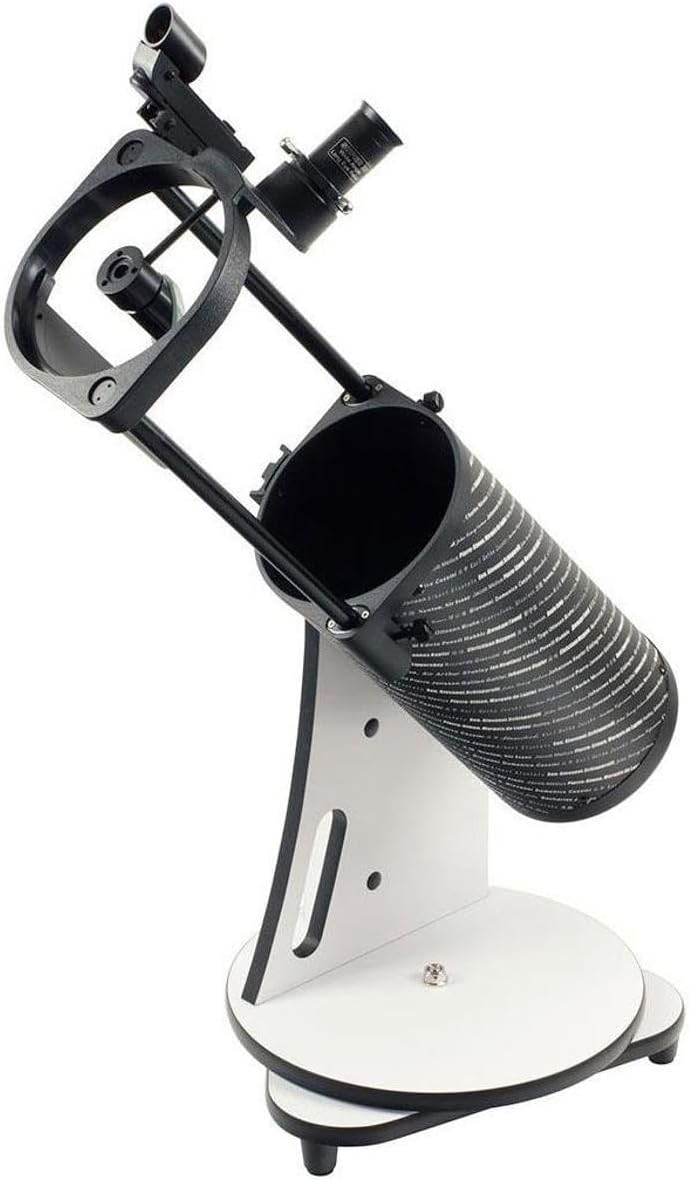
Dew. Despite the dry reputation of high altitudes, monsoon-season nights in Colorado, New Mexico, and the eastern Sierras can push dew points within a few degrees of the air. A 6-inch dew heater band controlled by a Pegasus PPBA or similar smart hub will eliminate dew on the 120APO objective for a fraction of the power budget of running it open-loop. See our dew heater buyer's guide for the math on duty cycles at altitude.
Remote control. Cabins are rarely staffed in winter. A Starlink Mini plus a low-power Intel N100 mini-PC running NINA gives you full remote acquisition with sub-50ms latency. Pair it with a roof-mounted cloud sensor and you can run imaging campaigns from sea level while the OTA sits at 9000 feet.
Mount selection for the 120APO at elevation
At 23 lbs OTA, you want a mount rated for at least 35 lbs imaging payload to leave headroom for guide scope, camera, filter wheel, and cabling. The three strongest candidates in 2026 are the ZWO AM5N (strain-wave, no counterweight needed for short setups, excellent for cabin pier installs), the iOptron HEM27EC (encoder-equipped, sub-arcsec PE corrected), and the SkyWatcher EQ6-R Pro (traditional, heavier, but bulletproof in cold). Strain-wave mounts particularly shine at altitude because they shrug off temperature-induced grease changes that plague older worm-gear mounts below -10°F.
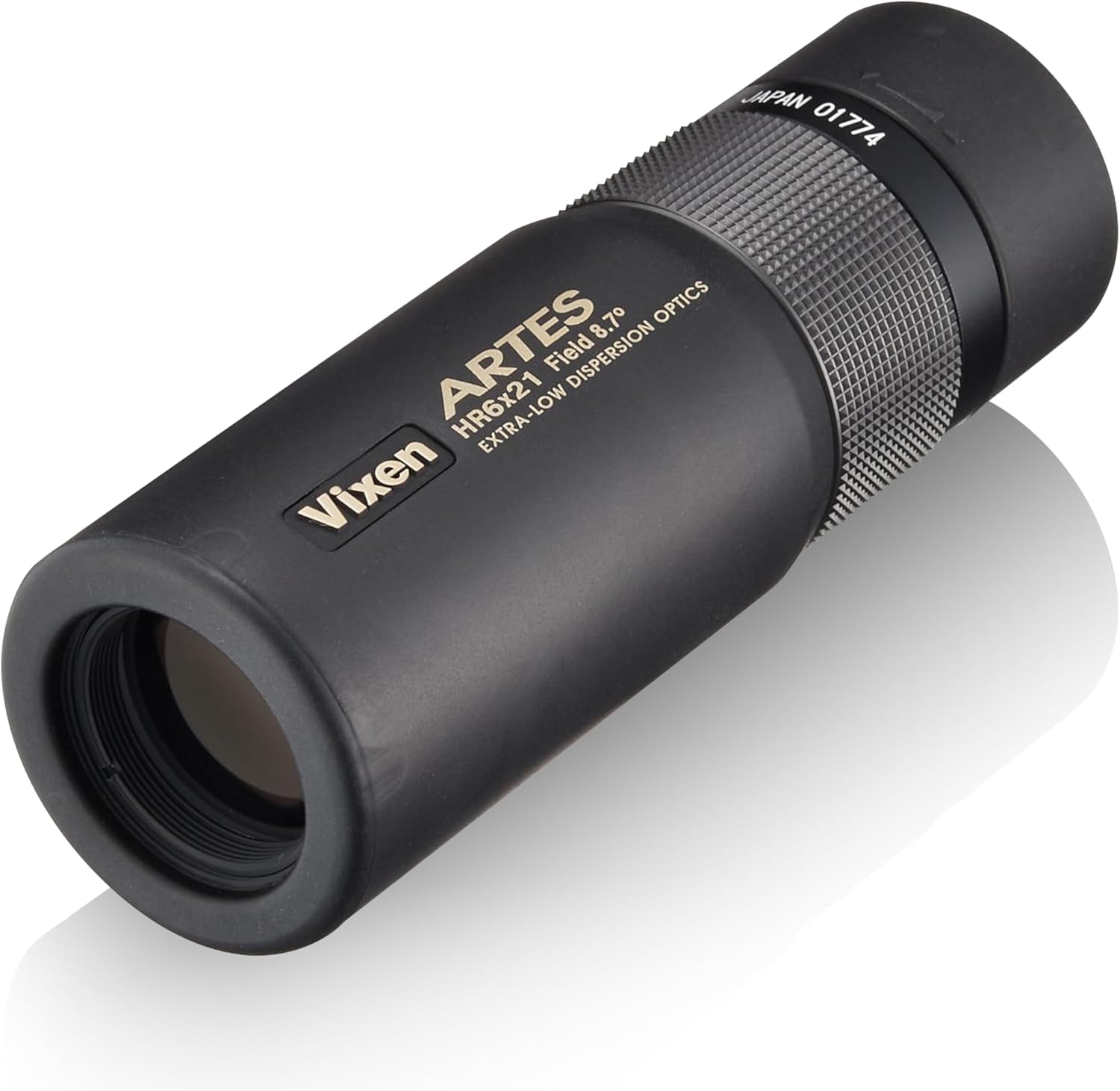
Comparison: dedicated imaging vs. all-in-one alternatives
Some cabin owners want a single instrument that handles both visual observation for guests and imaging. That is a different trade-off. The table below compares the Askar 120APO against two popular all-in-one Schmidt-Cassegrains that often sit on cabin observation decks.
| Telescope | Aperture | Native f/ratio | Best use at 9000 ft | Weight (OTA) | GoTo included |
|---|---|---|---|---|---|
| Askar 120APO | 120mm | f/7.2 | Wide-field imaging, mosaics | ~23 lbs | No (mount sold separately) |
| Celestron NexStar 8SE | 203mm | f/10 | Visual planets, lunar, casual imaging | ~24 lbs OTA + mount | Yes |
| Celestron NexStar 6SE | 150mm | f/10 | Portable visual, guest viewing | ~21 lbs with mount | Yes |
The 120APO is the clear winner for serious deep-sky imaging. The NexStar series wins for guests, casual planetary viewing, and nights when you do not feel like running an acquisition platform.
Recommended companion telescopes for the cabin observation deck
If your cabin hosts family or guests, having a second instrument purpose-built for casual viewing keeps the 120APO imaging rig untouched. Both picks below are GoTo-equipped and well suited to thin-air observation.
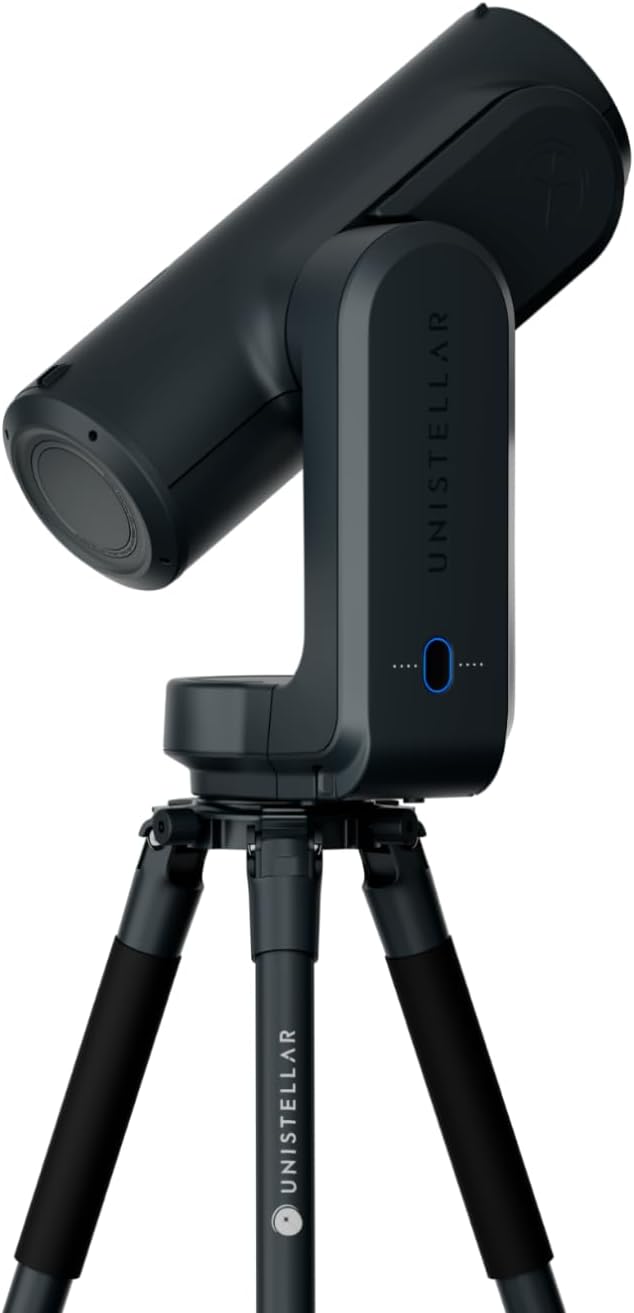
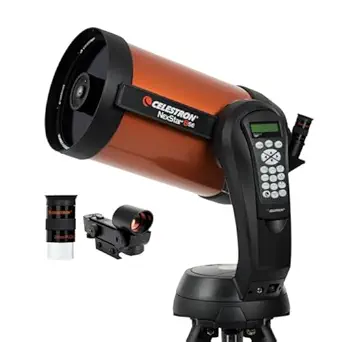
Celestron NexStar 8SE — the cabin guest scope that does it all
The NexStar 8SE pairs a 203mm Schmidt-Cassegrain with Celestron's SkyAlign GoTo, which means a guest with no experience can be looking at Saturn within ten minutes of sundown. At 9000 feet, the 8-inch aperture pulls in globular clusters with resolved stars that would look mushy at sea level, and planetary detail jumps a full notch on steady nights. It complements an Askar 120APO imaging setup well because the two scopes target completely different use cases — one images, one entertains. Check the Celestron NexStar 8SE on Amazon.
Celestron NexStar 8SE with smartphone adapter kit — best for cabin guests who want photos
The bundled version with the NexYZ DX 3-axis smartphone adapter is the smart pick if guests want to walk away with a phone photo of Jupiter or the Moon. The included AC adapter also matters at a cabin — most owners have shore power on the deck, and running the mount off mains keeps battery anxiety out of the equation. View the NexStar 8SE smartphone bundle on Amazon.
Celestron NexStar 6SE — lighter alternative for smaller decks
If your cabin's observation area is tight or you fly in and want a packable second scope, the 6SE delivers the same SkyAlign automation in a noticeably lighter and more portable package. The 150mm aperture still resolves Cassini's Division and pulls Messier globulars cleanly at altitude. See the Celestron NexStar 6SE on Amazon.
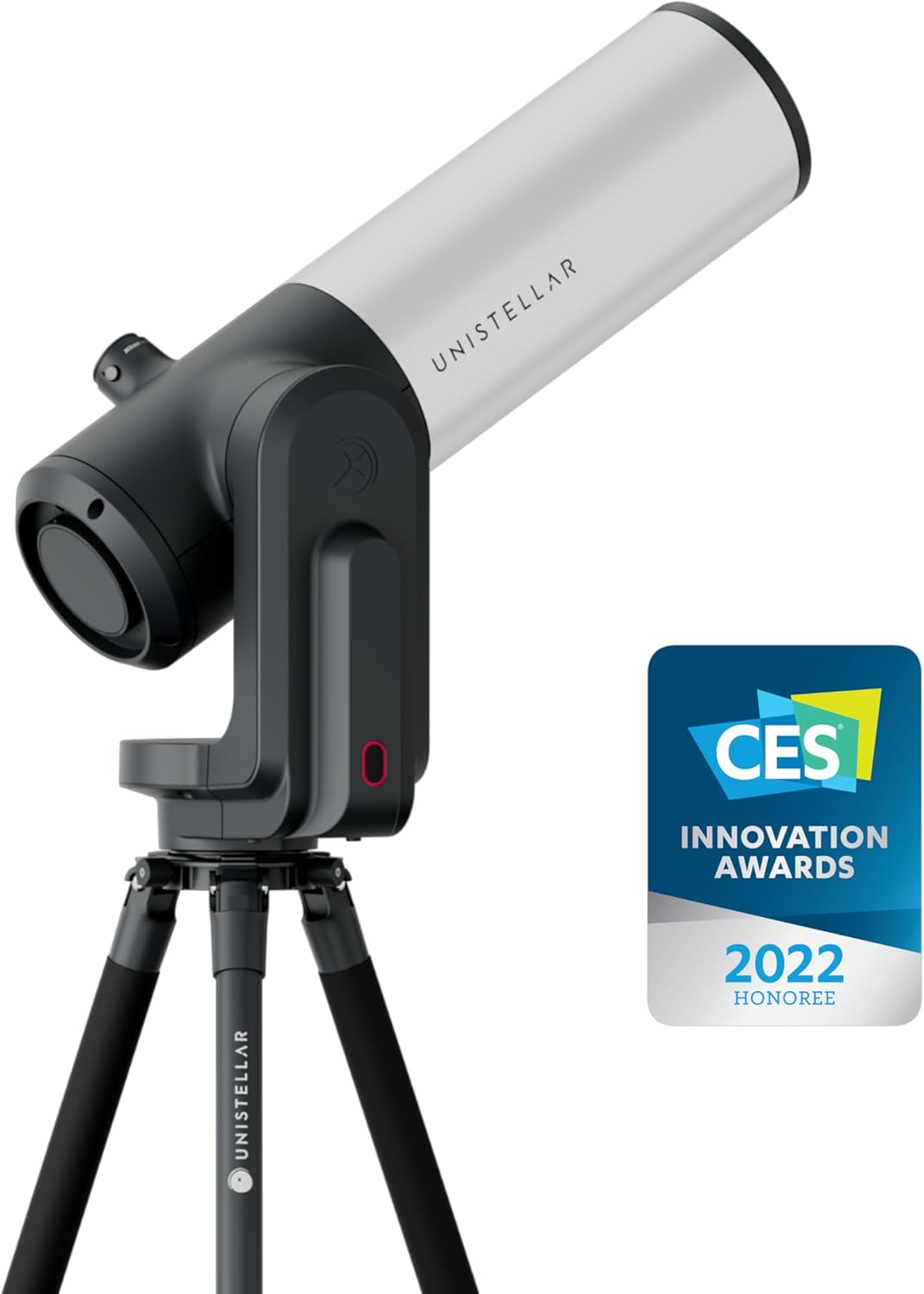
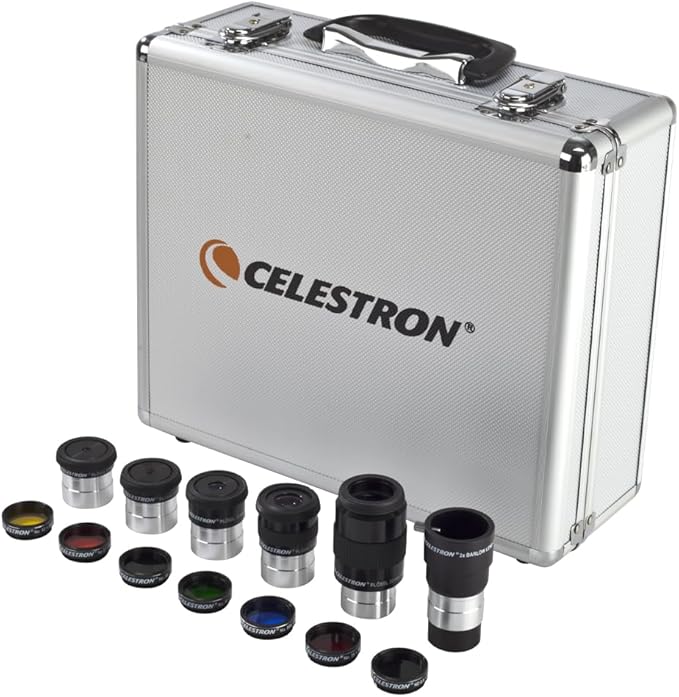
Celestron NexStar 8SE Schmidt-Cassegrain with eyepiece and filter kit
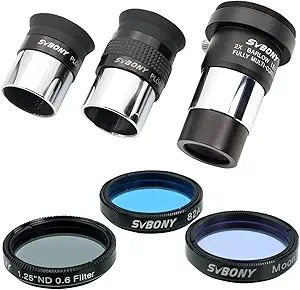
For cabin owners who want a turnkey visual rig without separately ordering a Plossl set and a moon filter, the bundled eyepiece-and-filter version saves a week of shopping. The added eyepieces cover wider exit pupils useful for the open clusters that 9000-foot transparency makes spectacular. View the NexStar 8SE eyepiece-and-filter kit on Amazon.
Workflow tips for Askar 120APO high altitude imaging
A few specific habits separate cabin imagers who get usable data on 80% of clear nights from those who chase calibration problems for months:
Always cooldown before slewing. Open the roll-off, point the OTA at zenith, and let the triplet equilibrate for 45 minutes before plate-solving. Star spikes at altitude are almost always thermal, not optical.
Calibrate at altitude, not at sea level. Flat field panels behave differently under thinner atmosphere; bake new flats and bias frames once your sensor is at its target temperature in the actual cabin environment.
Use the 0.8x reducer for moonlit nights. Lunar interference is the dominant noise floor even at dark altitude. Wider FOV with the reducer lets you image larger emission regions through narrowband filters when the moon is up, then switch to native focal length on truly dark nights for galaxy season. Our cold weather astrophotography guide covers filter sequencing for high-altitude moon cycles in detail.
Mind the cable management. Cabin temperature swings — interior 65°F to exterior -5°F — turn vinyl-jacketed cables stiff and brittle. Use silicone-jacketed USB and power cables routed in service loops, not tight bundles.
For owners weighing the 120APO against other apochromats at this aperture class, our Askar 120APO vs FRA600 comparison goes deeper into back-focus, spot sizes, and reducer interchange.
What to budget for a complete cabin rig
A turnkey Askar 120APO high altitude imaging setup at a cabin typically runs $7,500–$11,000 in 2026 depending on mount selection and whether you build remote control infrastructure from scratch. The OTA itself sits in the mid-$2,000s with reducer, the mount is the next-largest cost, then a cooled camera (ASI2600MM Pro or similar) and filters. Add roughly $800 for power infrastructure and $400 for dew control. Compared to renting time on a remote observatory, the payback period is about three years for moderately active imagers.
Frequently Asked Questions
Is the Askar 120APO good for narrowband imaging at high elevation?
Yes. The triplet design holds tight star shapes across the Ha, OIII, and SII passbands, and at 9000 feet the reduced atmospheric column dramatically improves SNR on narrowband targets. Pair the 120APO with a cooled mono camera and a 7-position filter wheel for the best results, and use the 0.8x reducer for wide emission complexes like the Veil or the Cygnus Wall.
What mount do I need for the Askar 120APO at 9000 feet?
A 35-lb rated imaging mount is the floor. Strain-wave mounts like the ZWO AM5N and iOptron HEM27 perform exceptionally well in cold conditions because they avoid the grease-thickening problems that affect traditional worm-gear mounts below -10°F. Permanent pier installations should still use a counterweight even with strain-wave mounts for redundancy in high wind.
Does altitude actually improve deep-sky imaging that much?
Measurably yes. At 9000 feet you typically see Bortle scale improvements equivalent to the difference between suburban and rural skies even at the same geographic location. Transparency gains of 0.7–1.0 magnitudes are common, and narrowband contrast improves further because there is less atmospheric scatter of broadband light pollution from distant cities.
How cold is too cold for the Askar 120APO?
The OTA itself tolerates temperatures well below -20°F, but at extremes you may see focuser drag increase as grease stiffens. Owners imaging below -10°F regularly should consider a winter-grade focuser grease swap. Cooled cameras have no problem at altitude — in fact, ambient cooling reduces the load on the camera's TEC.
Can I leave the Askar 120APO permanently set up under a cabin roll-off shed?
Yes, with caveats. Use a desiccant cycle on the triplet cell, keep the optical tube covered when not imaging, and inspect mount electronics for rodent intrusion before each campaign. A simple temperature-and-humidity logger on the mount head will tell you when conditions are off-nominal.
Will the 120APO work well with a one-shot color camera at altitude?
Excellent results. The native f/7.2 focal ratio plus 9000-foot transparency makes OSC imaging on galaxies and broadband nebulae genuinely competitive with monochrome at sea level. The 0.8x reducer brings the system to f/5.8, which collects light fast enough for short integration times on bright targets and family-visit imaging sessions.
What guide scope works best with the Askar 120APO?
A 30–50mm guide scope with a 120mm or 200mm focal length is sufficient because the 120APO's 864mm focal length is short enough that off-axis guiding is not mandatory. Most cabin imagers run a 32mm or 60mm guide scope with an ASI120MM Mini or ASI220MM for sub-0.6 arcsec total RMS on a quality mount, comfortably matching the 120APO's resolving power.
Final word
For a cabin at 9000 feet, the Askar 120APO is the rare piece of gear that scales gracefully from beginner to expert, from one-shot color snapshots to multi-month narrowband campaigns. Askar 120APO high altitude imaging rewards owners who invest in mount, power, and remote-control infrastructure to match — and the result is a setup that genuinely outperforms most amateur observatories at sea level.
Key Takeaways
- Choosing the right Askar 120APO high altitude imaging means matching capacity and output ports to your actual devices
- Always check actual watt-hours (Wh), not just watts — runtime depends on Wh, not peak output
- Also covers: 120APO Rocky Mountain dark site
- Also covers: high altitude refractor cold weather
- Also covers: Askar triplet thin air dew
- Compare price-per-Wh across models to find the best value for your budget